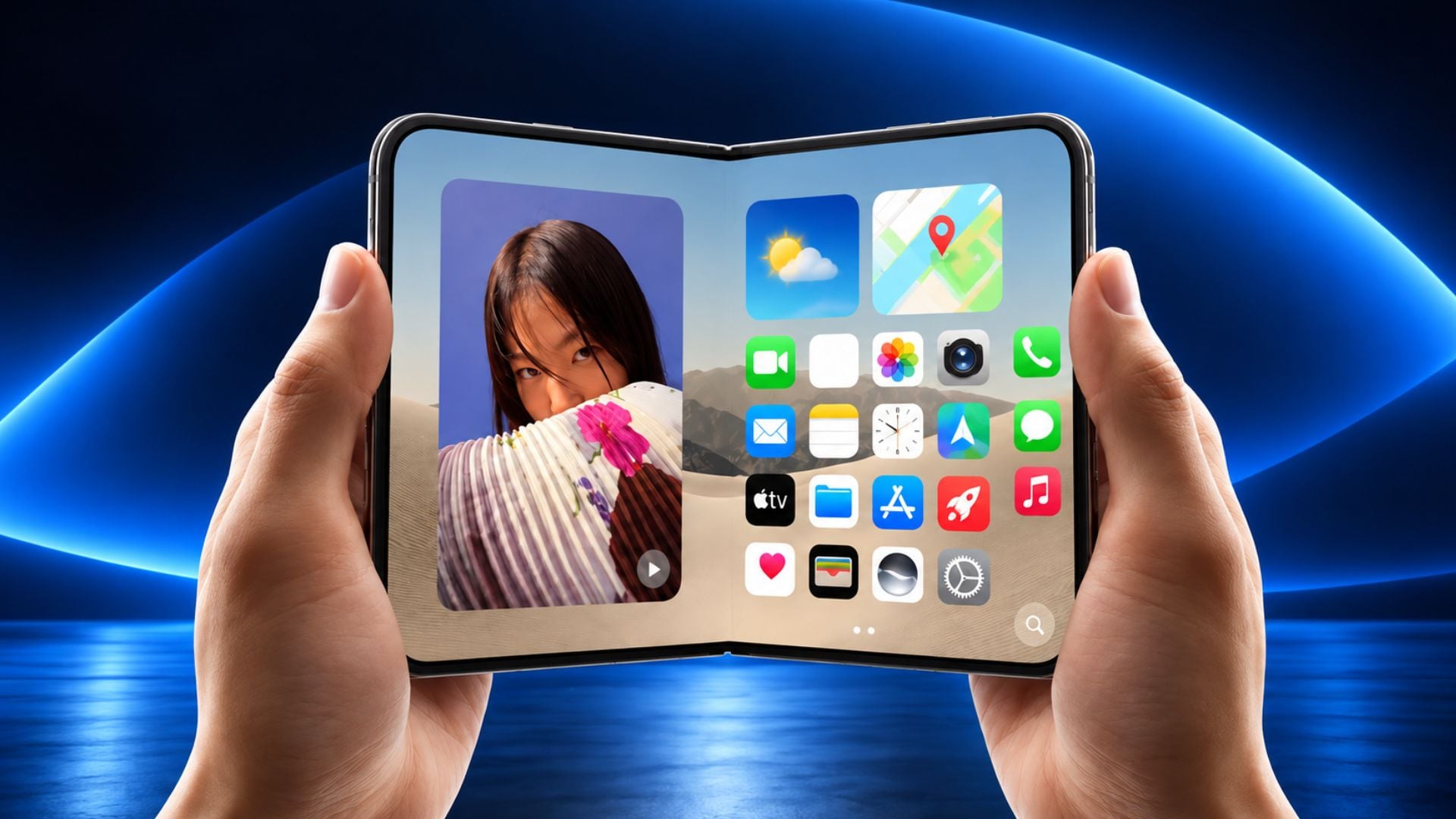


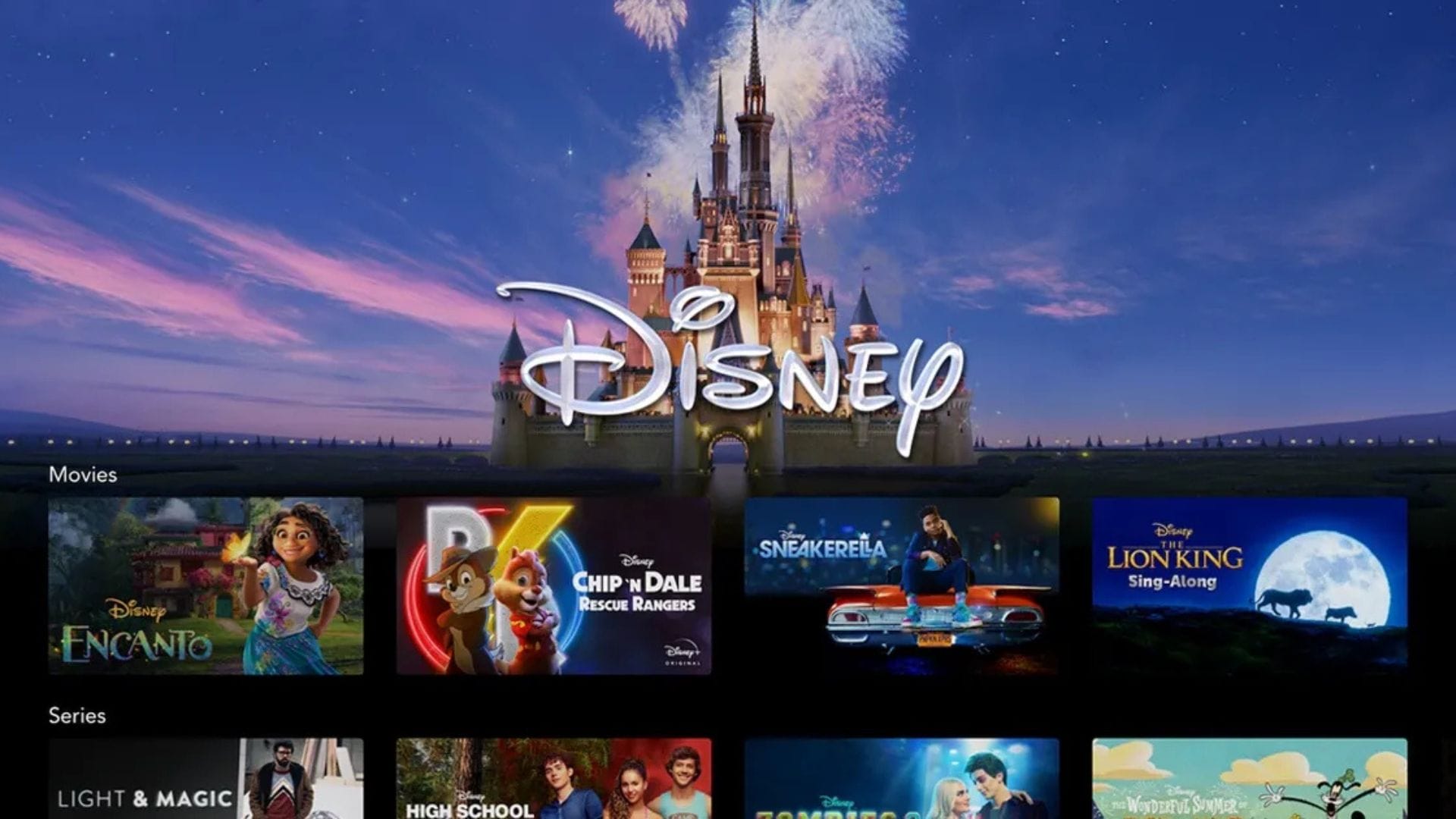
Disney+ is preparing to introduce vertical video content to its streaming service in the United States later this year, marking a significant shift in how the platform presents short-form media. The move reflects the company’s wider effort to encourage more frequent engagement with its app, particularly among younger audiences who increasingly consume video on mobile devices.
The announcement was made during Disney’s Tech + Data Showcase at CES 2026, where executives outlined how the company intends to adapt to changing viewing habits. Vertical video, already a dominant format on social platforms, is expected to sit alongside Disney+’s traditional long-form films and series rather than replace them.
By adopting this format, Disney aims to make its streaming service feel more dynamic and relevant to daily use. Industry observers note that competition among streaming platforms has intensified, pushing companies to experiment with new formats that keep viewers coming back even when they are not ready to commit to a full episode or film.
Building on early experiments with vertical video
Disney’s decision to expand into vertical video follows earlier trials within its wider media ecosystem. In August 2025, ESPN launched a vertical video feature called Verts within its app, offering short, mobile-friendly sports content. According to Disney executives, this experiment provided valuable insight into how audiences interact with vertically oriented video.
The company used data from ESPN’s experience to understand viewing patterns, engagement levels, and content preferences. This learning phase helped Disney assess how vertical video could be integrated into a broader entertainment offering, rather than existing as a standalone feature.
At CES 2026, Disney executives positioned the Disney+ rollout as a natural next step. While ESPN’s audience is largely sports-focused, Disney+ caters to a broader demographic, including families and younger viewers. The company believes that lessons from ESPN can be adapted to suit entertainment, news, and other genres available on Disney+.
Disney has not provided a precise launch date, only confirming that the feature will arrive in the US sometime this year. It has also not indicated when or whether the format will be expanded to other markets, although global expansion is often considered once new features prove successful domestically.
Expanding beyond trailers and teasers
Disney has made clear that vertical video on Disney+ will not be limited to promotional clips. Erin Teague, executive vice president of product management at Disney Entertainment, said the company plans to use the format for a wide range of content, including original short-form programming.
“The service isn’t just planning to use it as a vehicle for movie and series teasers, but also for original short-form programming,” Teague told Deadline. While she did not reveal specific titles or genres, the statement suggests that Disney+ is exploring new creative approaches tailored for mobile viewing.
Short-form vertical dramas and episodic storytelling have gained popularity over the past year, particularly among younger audiences. These micro-dramas often deliver fast-paced narratives in episodes lasting just a few minutes, making them easy to consume during short breaks or while commuting.
Teague emphasised that the company is focused on making the experience feel natural within the app. “We’re obviously thinking about integrating vertical video in ways that are native to core user behaviours,” she said. “So, it won’t be a kind of disjointed, random experience.” This suggests Disney wants vertical video to complement, rather than disrupt, how users already navigate Disney+.
Targeting younger audiences and daily engagement
A key goal of the vertical video strategy is to appeal to Gen Z and Gen Alpha users, groups that are less inclined to spend long periods watching traditional long-form content on their phones. Disney has acknowledged that these audiences often prefer shorter, more immediate content that fits into their daily routines.
In a statement, Disney said the vertical video experience would “evolve as it expands across news and entertainment” and would be personalised for individual users. Personalisation is expected to play a major role, with algorithms tailoring content based on viewing habits, interests and previous interactions within the app.
By encouraging users to open Disney+ more frequently, Disney hopes to increase overall time spent on the platform. If viewers are already engaging with short-form content, they may be more likely to explore longer films or series later. This approach mirrors strategies used by social media platforms, where short videos act as an entry point to deeper engagement.
The introduction of vertical video highlights how traditional streaming services are adapting to changing consumer behaviour. As audiences fragment across platforms and formats, Disney’s challenge will be to balance innovation with the high-quality storytelling that defines its brand. The success of this initiative will likely influence how other major streaming services approach short-form and mobile-first content in the future.