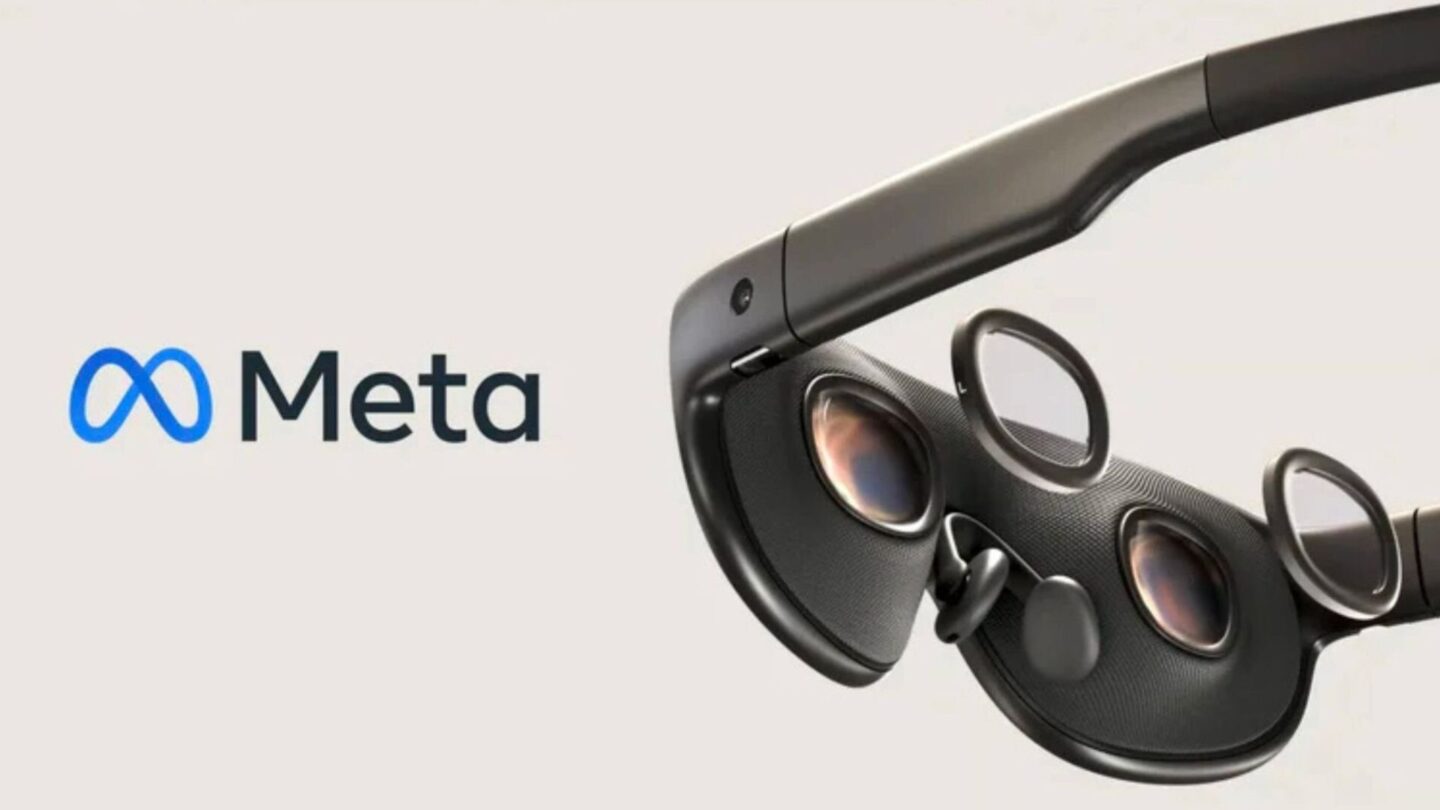
Meta appears to have accidentally revealed a closer look at its upcoming mixed reality headset, known internally as Project Phoenix. Images found inside a HorizonOS application show the device from several angles, offering the clearest view yet of a headset that is expected to take a different approach from Meta’s existing Quest hardware.
UploadVR discovered the images in an application called HorizonOS Prescription Lens, which Meta released before later removing it. The app appears to have been designed to support users who require prescription lens inserts for the upcoming device. While the application itself was seemingly intended as a placeholder, its included image files appear to show the headset in considerable detail.
Leaked images reveal a different headset design
The newly discovered images appear to support reports about Project Phoenix that have circulated for more than a year. Rather than following the larger visor-style design associated with Meta’s Quest headsets, Phoenix appears to use a slimmer, more glasses-like form factor.
The shape resembles other lightweight mixed reality headsets, including Xreal’s Aura. The design suggests Meta is exploring a different way of delivering immersive computing, with a device that could be considerably less bulky than traditional virtual reality headsets. The images show the headset from multiple angles, but they don’t clearly show the front.
Another significant detail is a visible cable extending from the headset. This appears to match earlier reports that Phoenix will not operate as a completely self-contained device. Instead, it is expected to connect to a separate computing puck, which could handle some processing and other hardware requirements while keeping the headset lighter.
That approach could help Meta reduce the headset’s size and weight, although it would require carrying an additional device. The trade-off would matter most for a headset intended for longer wear, where weight and comfort can significantly affect the overall experience.
Controller-free interaction could be a key feature
The images also raise questions about how users will interact with Project Phoenix. Unlike Meta’s Quest headsets, which commonly use dedicated motion controllers, the upcoming device is reportedly expected to rely more heavily on hand tracking.
The absence of a visible controller system would make sense for a glasses-like headset. Users could potentially interact with digital content using their hands while looking through the device, rather than carrying separate controllers. A camera system on the front of the headset could support this functionality, although the leaked images don’t show the front clearly enough to confirm the exact hardware.
Meta appears to be preparing to discuss this type of interaction at its upcoming developer event. According to UploadVR, one of the sessions planned for Connect is described as “a practical guide to controller-free interaction”. While that description does not confirm the session relates to Phoenix, its timing has fueled speculation about the headset.
The discovery of the images is also notable because the HorizonOS Prescription Lens application appears to have been specifically connected to the upcoming hardware. The fact that the app contained product imagery suggests Meta may have been preparing software and support materials for the device even though the headset itself has not yet been officially unveiled.
Meta did not immediately respond to a request for comment about the images. As a result, details such as the final design, specifications, launch price and exact capabilities remain unconfirmed.
Meta could reveal Phoenix at Connect
The timing of the leak has fuelled speculation that Meta could officially introduce Project Phoenix during its annual Connect event. The 2026 event is scheduled to begin on 23 September, putting the images’ discovery just days ahead of the company’s developer conference.
Connect has traditionally been an important event for Meta’s virtual and mixed reality ambitions. However, the focus shifted last year towards the company’s display-equipped smart glasses, which became one of the major highlights of the event. Meta is expected to continue focusing heavily on smart glasses this year, particularly as it expands its wearable technology strategy.
A Phoenix announcement would still give Meta a chance to show that its mixed-reality hardware plans extend beyond conventional Quest headsets. A lighter design, controller-free interaction and a separate computing unit would represent a notable change in the company’s approach.
Uncertainty remains about whether Meta intends to show a working version of the headset at Connect or provide an early preview. Previous reports suggest the device has been delayed and may not be ready for release until the first half of 2027. That would make a full commercial launch at this year’s event unlikely.
However, a product reveal does not necessarily require immediate availability. Meta could use Connect to show the hardware, explain its intended use and give developers an early look at the platform while continuing development ahead of a later launch. If the company does have plans for Phoenix, Connect would provide a natural setting to introduce it to the wider technology industry.
For now, the leaked images offer the strongest indication yet of what Meta’s next mixed reality headset could look like. Until Meta officially confirms the product, however, its final design and launch plans may still change.