

NVIDIA has reiterated its intention to make a significant investment in OpenAI, pushing back against reports that discussions between the two companies have lost momentum. Comments from chief executive Jensen Huang over the weekend suggested that Nvidia remains committed to backing the artificial intelligence firm, even as questions continue over the scale and structure of any potential deal.
The renewed comments follow media reports that a previously discussed partnership, valued at up to US$100 billion, had not advanced beyond early negotiations. While those reports raised doubts about the arrangement’s future, Nvidia has since clarified its position and reaffirmed its support for OpenAI’s work.
Huang reaffirms Nvidia’s commitment to OpenAI
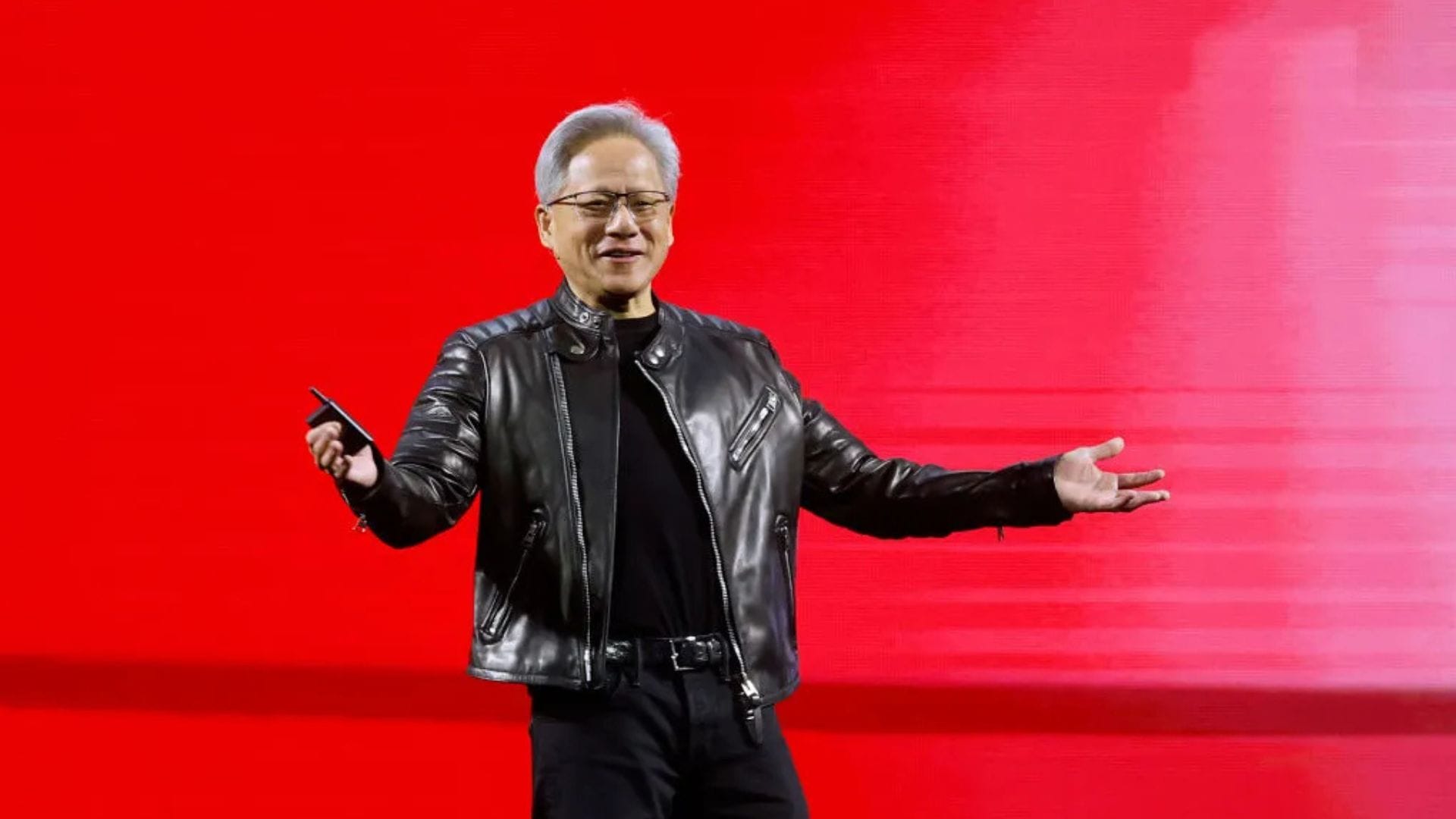
Speaking to reporters in Taipei, Nvidia chief executive Jensen Huang said the company still intends to commit substantial capital to OpenAI’s latest funding round. According to Bloomberg, Huang stated that Nvidia would “invest a great deal of money” and added that the deal could be “the largest investment we’ve ever made.”
Huang’s remarks were notable for their strong endorsement of OpenAI’s role in the technology sector. Bloomberg reported that he described the company as one he firmly believes in, saying, “The work that they do is incredible. They’re one of the most consequential companies of our time.” These comments were delivered amid growing global attention on the rapid development of generative artificial intelligence and the infrastructure required to support it.
Despite the enthusiastic language, Huang also sought to temper expectations around the size of the investment. Bloomberg reported that he made clear Nvidia’s contribution to the current funding round would not be close to US$100 billion, suggesting a more measured approach than some earlier reports had implied.
Background to the proposed US$100 billion data centre project
NVIDIA and OpenAI jointly announced in September that they were exploring a large-scale collaboration to build artificial intelligence data centres. At the time, the companies said Nvidia could invest up to US$100 billion to help develop facilities with a combined capacity of 10 gigawatts, aimed at supporting increasingly complex AI models.
The initial announcement outlined ambitions for the first phase of the project to become operational in the second half of 2026. Such a build-out would rank among the largest AI infrastructure investments ever proposed, reflecting the intense demand for computing power driven by advances in large language models and other AI systems.
However, The Wall Street Journal reported on Friday that the discussions had not “progressed beyond the early stages” and that both sides were rethinking the arrangement. Citing people familiar with the matter, the newspaper said Huang had privately stressed that the agreement was nonbinding and had expressed concerns about OpenAI’s business approach, describing it as lacking discipline.
Conflicting reports and what comes next
Huang publicly rejected the suggestion that Nvidia was stepping back from OpenAI, calling the claims in The Wall Street Journal report “nonsense,” according to Bloomberg. His response highlighted the gap between private negotiations, which often involve changing assumptions, and public interpretations of those talks.
The contrasting accounts underline the complexity of large technology partnerships, particularly when they involve unprecedented levels of investment and long-term infrastructure commitments. While early announcements can signal intent, final agreements often depend on market conditions, governance structures and financial discipline on both sides.
For Nvidia, any investment in OpenAI is strategically important. The company is a leading supplier of the graphics processing units used to train and run advanced AI models, and closer ties with OpenAI could further strengthen its position at the centre of the AI ecosystem. For OpenAI, continued backing from Nvidia would help secure access to the computing resources needed to sustain rapid growth.
Although the precise shape of the relationship remains unclear, Huang’s comments suggest that Nvidia is not walking away. Instead, the company appears to be recalibrating expectations while maintaining confidence in OpenAI’s long-term impact. Further details are likely to emerge as funding discussions continue and both firms refine their plans to scale AI infrastructure over the coming years.