


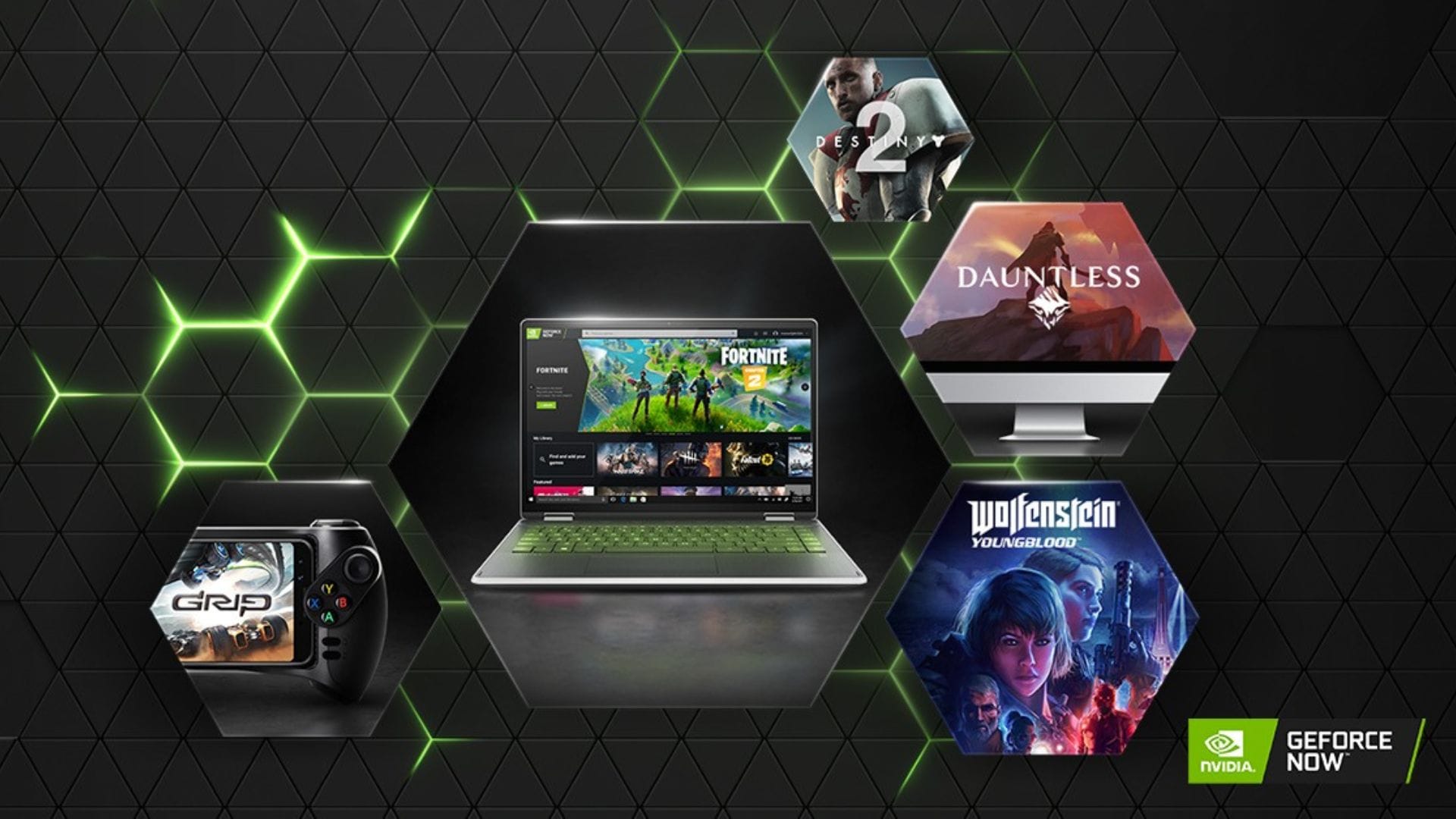
NVIDIA has released a native Linux version of its GeForce Now cloud gaming application, marking a notable step forward for gamers using the open-source operating system. The new desktop app, currently in beta, is designed to give Linux users access to the same cloud gaming features already offered on Windows and macOS, without relying on a web browser or workarounds.
The launch reflects Nvidia’s growing focus on Linux as a gaming platform, at a time when interest in alternatives to Windows is growing. While the company has previously supported Linux through limited solutions and handheld-focused options, the arrival of a complete desktop application signals a broader commitment to the platform.
A whole GeForce Now experience arrives on Linux
The new GeForce Now app is available initially for systems running Ubuntu 24.04 or later. NVIDIA has confirmed that the application delivers the whole GeForce Now experience on supported systems, including high-resolution streaming and advanced performance options. Users on the Ultimate subscription tier can stream games at resolutions up to 5K at 120 frames per second, or at Full HD resolution at up to 360 frames per second.
Because the service runs games on Nvidia’s remote servers, Linux users can access titles that might otherwise present compatibility issues on their local machines. This includes games that rely on anti-cheat systems, which have historically caused problems on Linux. Popular online titles such as Fortnite, which are difficult or impossible to run natively on Linux, can be streamed through GeForce Now without local compatibility concerns.
The approach also reduces the need for powerful local hardware. Players do not need a high-end graphics card or the latest processor to achieve smooth performance, as the heavy processing is handled in the cloud. However, this advantage comes with an important trade-off. Performance depends heavily on the quality and stability of the user’s internet connection, and slow or unreliable broadband can result in lag, reduced image quality or interruptions during gameplay.
Limits of the beta release and game availability
As the Linux app is still in beta, Nvidia has warned that users may encounter bugs or inconsistent behaviour. While the company has focused official support on Ubuntu, early testers are expected to attempt running the app on other Linux distributions. In such cases, performance and stability may be less predictable, particularly given the unfinished nature of the software.
Another limitation lies in the GeForce Now game library itself. Not every PC game is available on the service, as publishers must opt in for their titles to be streamed. Players must also own the games they wish to play, typically through platforms such as Steam or Epic Games Store, before accessing them via GeForce Now. As a result, the service may not suit users whose favourite titles are not supported.
Despite these constraints, the native app represents a significant improvement over Nvidia’s previous Linux offerings. Until now, Linux support has primarily been centred on the Steam Deck and other handheld devices or accessed through a browser-based experience. A dedicated desktop application for laptops and PCs is likely to be more appealing to users seeking a straightforward and polished solution.
Growing momentum for Linux gaming
The release of the GeForce Now Linux app comes amid growing optimism about gaming on Linux. Valve’s continued development of SteamOS has helped drive improvements in game compatibility, with an increasing number of titles now playable on Linux-based systems. This progress is expected to continue as new Steam-powered hardware enters the market.
Other platforms are also signalling a stronger interest in Linux. The GOG gaming service has recently hinted at significant developments for Linux users in 2026, supported by job listings that suggest future investment in the platform. At the same time, the approaching end of support for Windows 10 is encouraging some users to consider Linux distributions rather than upgrading to Windows 11.
Cloud gaming services such as GeForce Now offer another path for Linux users to access a wider range of games without relying on native support. NVIDIA’s service has gained a positive reputation for performance and image quality in recent years, and the arrival of an official Linux app makes it a more compelling option for desktop users.
While the beta status and limited distribution support mean the app is not yet a perfect solution, it represents a meaningful step forward. For Linux gamers willing to experiment, the new GeForce Now app adds to a growing list of reasons to view the platform as a viable place to play.