

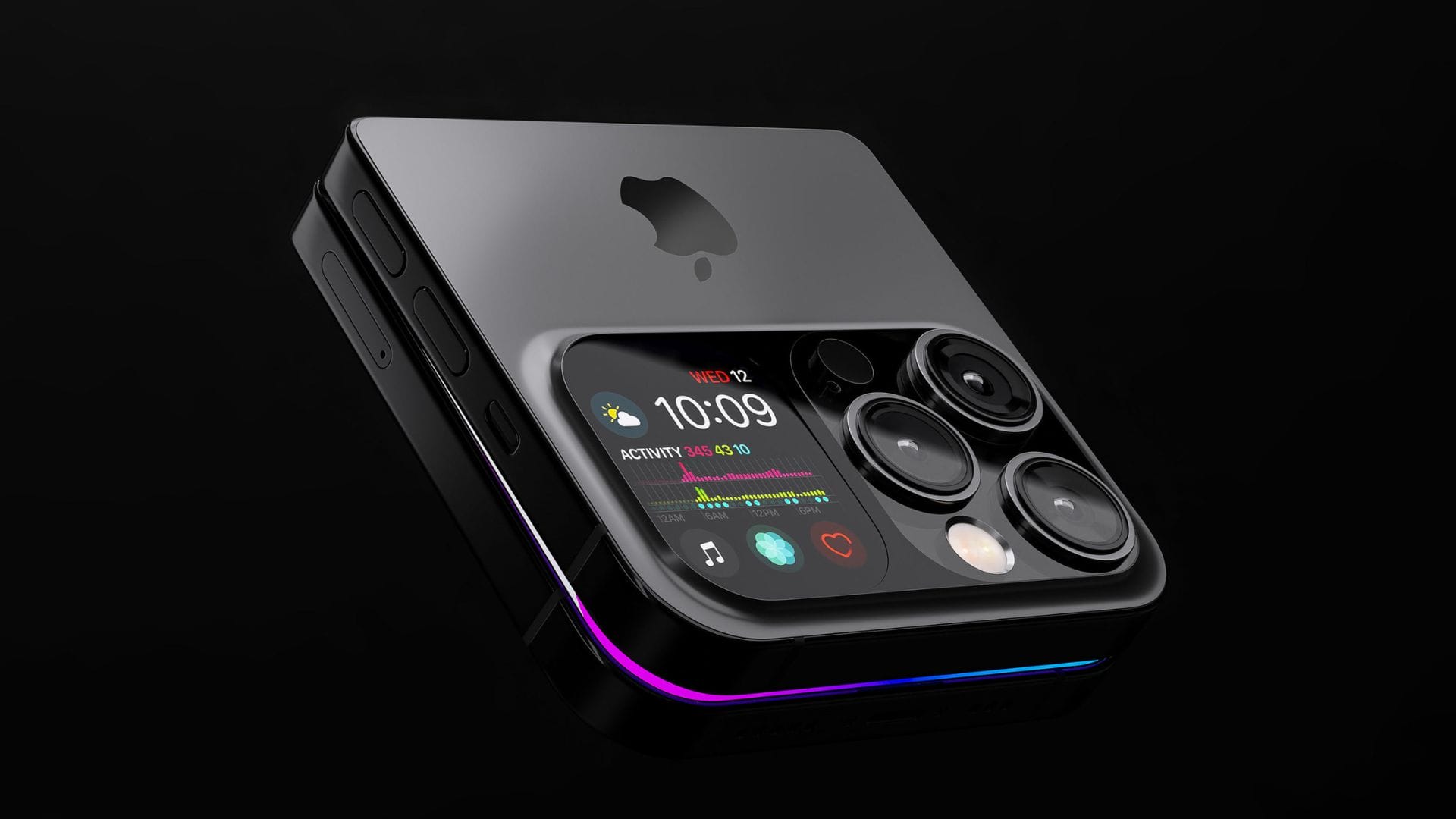
Apple is widely expected to enter the foldable smartphone market with a book-style iPhone, but new reporting suggests the company is also considering a flip-style alternative. The clamshell design, which folds vertically into a compact square, could mark another step in Apple’s cautious approach to new form factors.
The latest claims come from Bloomberg journalist Mark Gurman, who has a long track record of reporting on Apple’s product roadmap. His comments add fresh momentum to long-running speculation that Apple is testing multiple foldable concepts before committing to a final design.
Apple’s growing interest in foldable designs
According to Gurman, Apple is “exploring” a foldable iPhone with a “square, clamshell-style design”. This would place it in the same broad category as flip-style devices already available from several Android manufacturers. While Apple has yet to publicly acknowledge any foldable plans, the report suggests internal experimentation is well underway.
Gurman noted that Apple would expect its first foldable iPhone to generate strong consumer interest. That initial attention could support the launch of additional models with different designs and screen sizes. In this context, a flip-style iPhone could follow a larger book-style device rather than replace it.
The idea of a clamshell iPhone is not new. Rumours have circulated for several years, reflecting both industry trends and Apple’s extensive research and development efforts. Foldable screens have improved in durability and visual quality, making the category more appealing to mainstream users. Apple is known for waiting until technologies mature before entering a market, which may explain the company’s slow but deliberate pace.
Why a flip-style iPhone could appeal to users
A foldable flip iPhone would allow Apple to target a different audience from those seeking the largest possible display. Clamshell phones are designed to be compact when closed, making them easier to carry in a pocket or small bag. For many users, portability and convenience matter more than having a tablet-sized screen.
Gurman suggested that introducing new form factors could help Apple expand its reach. A smaller foldable device could appeal to users who prefer minimalist designs or who find current smartphones too large. It could also attract customers switching from older handsets who want something modern but practical.
From a design perspective, a clamshell iPhone would give Apple opportunities to rethink how users interact with their devices. External displays, redesigned notifications, and new ways of handling calls and messages could all be part of the experience. Apple has previously used hardware changes, such as removing the home button, to introduce new software behaviours.
There is also a competitive angle. Several smartphone makers already offer flip-style foldables, and the category has gained visibility in recent years. By entering this space, Apple could bring its own approach to build quality, software optimisation, and ecosystem integration, areas where it traditionally focuses.
Long-standing rumours and ongoing uncertainty
Reports of a foldable iPhone date back to at least 2021. At the time, Economic Daily News claimed that Apple had developed two foldable prototypes. These reportedly included a clamshell model featuring a flexible OLED display. While those early reports were never confirmed, they laid the groundwork for ongoing speculation.
Interest in a flip-style iPhone resurfaced in 2024, when several sources again reported that a clamshell device was being tested behind the scenes. These repeated claims suggest that Apple has not abandoned the idea, even if it has not yet committed to a commercial launch.
Despite the growing number of reports, Gurman has urged caution. He said a foldable flip iPhone is “far from guaranteed to reach the market”. Apple is known for cancelling projects that fail to meet its standards, regardless of how advanced they may be internally.
For now, Apple’s foldable plans remain uncertain. The company appears to be evaluating multiple designs while monitoring consumer interest and technological progress. Whether a flip-style iPhone ever reaches users’ hands will depend on Apple’s confidence that it can deliver a reliable, compelling product that fits its broader strategy.