

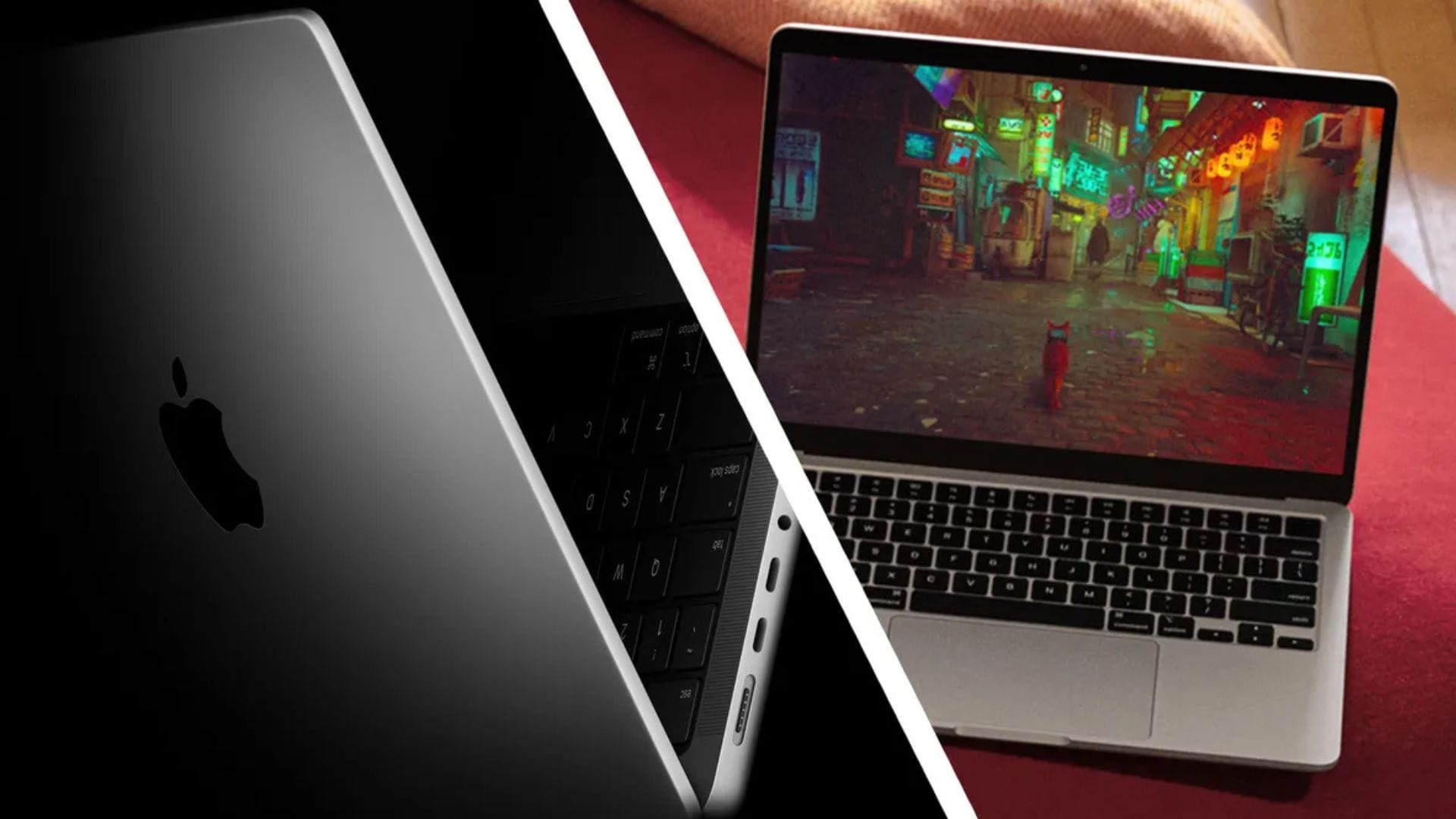
Apple customers ordering the MacBook Pro with the M4 Max chip may face extended waiting times before their laptops arrive, with delays stretching several months for higher-end configurations. While the wider PC industry is struggling with a global RAM shortage that has driven up prices, the delays affecting Apple appear to be linked to the company’s future product strategy rather than immediate supply problems.
Reports indicate that delivery estimates for some MacBook Pro M4 Max models are significantly longer than usual, particularly in the United States. This has prompted speculation that Apple is beginning to feel the effects of the ongoing memory crisis, which is disrupting the wider hardware market.
Delays affect higher memory configurations
According to reports highlighted by MacRumors, customers ordering MacBook Pro M4 Max models with 36GB of memory or more are being quoted delivery dates as late as early February. These delays are notable because such configurations are relatively common among professional users who rely on the MacBook Pro for demanding workloads such as video editing, software development and data analysis.
The situation appears more pronounced for buyers opting for the highest available memory options. The MacBook Pro M4 Max configured with 128GB of unified memory is reportedly facing delivery times that extend into March. For a premium laptop aimed at professionals, this wait is considerable and longer than Apple customers have come to expect for newly released MacBook Pro models.
At first glance, these delays might suggest that Apple is affected by the same RAM shortages that are impacting the broader PC market. Memory prices have been rising sharply as manufacturers compete for a limited supply, particularly amid growing demand from artificial intelligence applications. However, current evidence suggests Apple’s situation may have a different explanation.
Focus shifts towards next-generation Apple silicon
Industry observers believe the extended delivery timelines are likely the result of Apple reallocating resources in preparation for its next-generation processors. According to Bloomberg journalist Mark Gurman, Apple is expected to introduce the M5 Pro and M5 Max chips in the first half of 2026. This forthcoming launch could explain why production and availability of certain M4 Max configurations appear constrained.
By shifting its focus to the development and ramp-up of new chips, Apple may produce fewer high-end M4 Max systems, leading to longer wait times for customers ordering top-tier models. This approach would be consistent with Apple’s long-term strategy of tightly managing its supply chain and prioritising future product cycles well in advance of public launches.
That said, Apple is not completely insulated from the wider challenges facing the memory market. The global RAM crisis has already had a significant impact on many major PC hardware companies, with several manufacturers adjusting their strategies to cope with rising costs and limited supply. Companies such as Asus, Nvidia and AMD have increasingly focused on artificial intelligence-related products, fuelling rumours about the discontinuation of certain consumer GPUs.
Apple’s use of unified memory, where the RAM is integrated directly into the same chip as the CPU and GPU, may provide some protection against short-term volatility. This design gives Apple greater control over its component supply than manufacturers that rely on separate memory modules. While this does not make Apple immune to market pressures, it places the company in a stronger position than many of its competitors.
Wider RAM crisis raises concerns for the PC market
The broader outlook for the PC hardware market remains uncertain, with many analysts expecting the RAM shortage to persist throughout 2026. Demand for memory from AI-focused companies shows little sign of slowing, reshaping priorities across the technology sector. For consumers, this could mean higher prices and reduced choice, particularly in the desktop and laptop markets.
Some manufacturers have already made dramatic changes. Micron recently shut down its well-known Crucial brand to focus on supplying memory to AI firms. While this does not necessarily mean Crucial-branded RAM will disappear permanently, it highlights the scale of the shift towards AI-driven demand and the lengths companies are willing to go to maximise profits.
Graphics hardware is also being affected. Although Nvidia continues to support consumer GPUs, as demonstrated by the recent launch of DLSS 4.5, the company’s growing emphasis on AI technologies is clear. Similar trends can be seen among third-party manufacturers, many of which are redirecting resources away from traditional consumer hardware.
Against this backdrop, Apple appears relatively well-positioned. The company is expected to absorb higher DRAM costs in 2026 rather than passing them on to retailers and customers, a move that could help keep prices stable for future MacBook Pro models featuring the M5 Pro and M5 Max chips. For now, however, customers eager to purchase a MacBook Pro M4 Max, especially with large amounts of memory, may need to prepare for a longer wait.