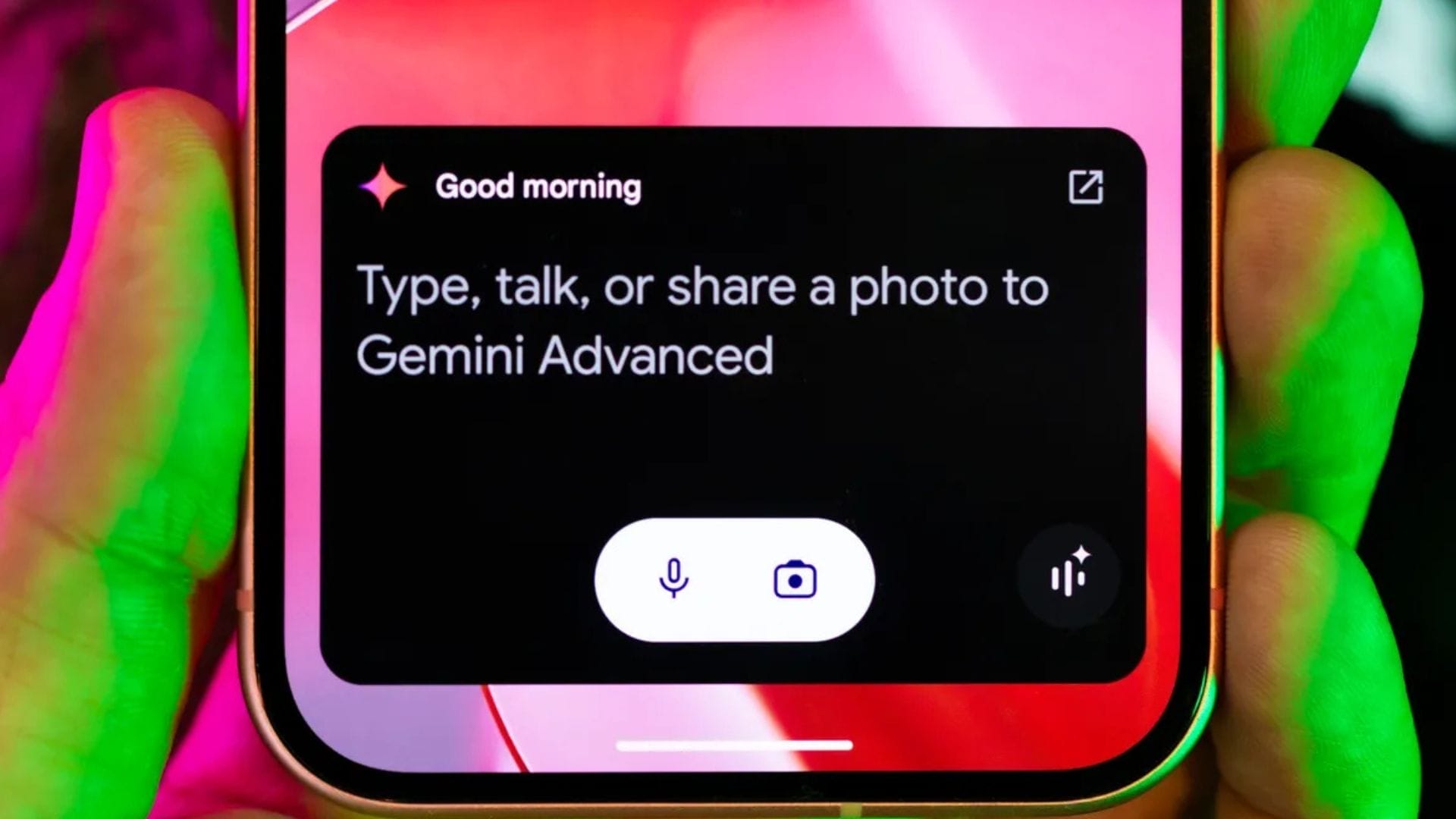
Google has delayed its plan to fully replace Google Assistant with its newer Gemini AI on Android devices, extending the transition timeline into next year. The company previously said the switch would be completed by the end of 2025, but has now confirmed the process will continue into 2026 as it works through technical and compatibility challenges.
The change affects millions of Android users worldwide and reflects the complexity of replacing a long-standing digital assistant with a more advanced, generative AI system. While Gemini is already the default assistant on some of Google’s newest devices, many existing phones and tablets will continue to support Google Assistant for longer than initially planned.
Google says the revised schedule is designed to avoid disruption for users and ensure that the newer system can match, and eventually exceed, the capabilities people rely on every day.
A revised timeline for Android users
Google first announced its intention to move Android users from Google Assistant to Gemini in March, positioning Gemini as the future of its AI strategy. At the time, the company said the transition would be largely complete by the end of 2025. However, a new update now confirms that this deadline has been pushed back.
According to Google, the timeline has been adjusted to allow for “a seamless transition” from the older assistant to the newer one. The company says it will share more information in the coming months, but it has not provided a specific end date for the process, beyond confirming that work will continue “into 2026”.
The announcement does not clarify which Android devices are still awaiting the upgrade or whether specific technical issues are causing the delay. Google has also not confirmed whether specific models may be excluded from the final transition, leaving some uncertainty for users with older hardware.
For now, the situation varies depending on the device. On newer phones, such as recent Pixel models, Gemini is already the only available assistant, with Google Assistant no longer present. On many older Android phones and tablets, however, both assistants can still be installed, allowing users to switch between them depending on the task.
This dual-assistant setup highlights the challenge Google faces. Google Assistant has been deeply integrated into Android for years, handling everything from voice commands and reminders to smart home controls. Replacing it with Gemini requires ensuring that no key features are lost along the way.
Why is the transition taking longer
The delay points to the technical difficulty of replacing a mature assistant with a newer, more complex AI system. Google Assistant was designed primarily around voice commands and predefined actions, while Gemini is built as a broader generative AI that can reason, summarise information and respond more conversationally.
While Gemini offers more advanced capabilities, matching the speed, reliability and breadth of Google Assistant across all devices is a significant task. Many users rely on Assistant for simple, fast actions such as setting alarms, controlling media playback or managing smart home devices. Any gaps in these everyday features could lead to frustration.
Google has already acknowledged that the switch is not just about phones and tablets. The company is working to replace Google Assistant with Gemini across its wider ecosystem, including cars, wearables and smart home products. Each of these platforms has different hardware limitations and user expectations, making a single, smooth transition difficult.
The challenges are obvious in the smart home space. Google is upgrading a wide range of smart speakers, displays, and other connected devices to work with Gemini, including products released up to a decade ago. Ensuring Gemini runs reliably on older hardware has proven more complex than expected.
These difficulties may have contributed to the decision to slow down the Android rollout. Rather than risk breaking features people depend on, Google appears to be taking a more cautious approach, even if it means keeping Google Assistant alive for longer.
A wider shift across Google’s ecosystem
The move from Google Assistant to Gemini is not limited to Android phones. Google has already signalled that Gemini will become the default assistant across other platforms as well. In cars, for example, Gemini is expected to take over on Android Auto by March 2026, bringing more conversational interactions and improved context awareness.
This broader rollout underlines how central Gemini has become to Google’s long-term plans. The company sees it as a unifying AI layer that can power search, productivity tools and voice interactions across devices. However, replacing a familiar assistant that has been part of Android for years is a delicate process.
Once the transition is complete, Google Assistant will stop working on Android phones and tablets and will no longer be available to download. From that point, Gemini will be the only built-in assistant for Android users. Until then, those still using the Google Assistant will be able to continue using it without any immediate changes.
For users, the delay offers both reassurance and uncertainty. On one hand, it means more time to adjust and fewer sudden changes to how devices work. On the other hand, it leaves open questions about when exactly older phones will be upgraded and whether all features will carry over seamlessly.
Google has not indicated that users need to take any action at this stage. Updates will continue to roll out automatically, and the company says it will provide clearer guidance as the transition progresses. For now, Android users can expect Google Assistant and Gemini to coexist a little longer, as Google works behind the scenes to complete one of its biggest platform changes in years.