


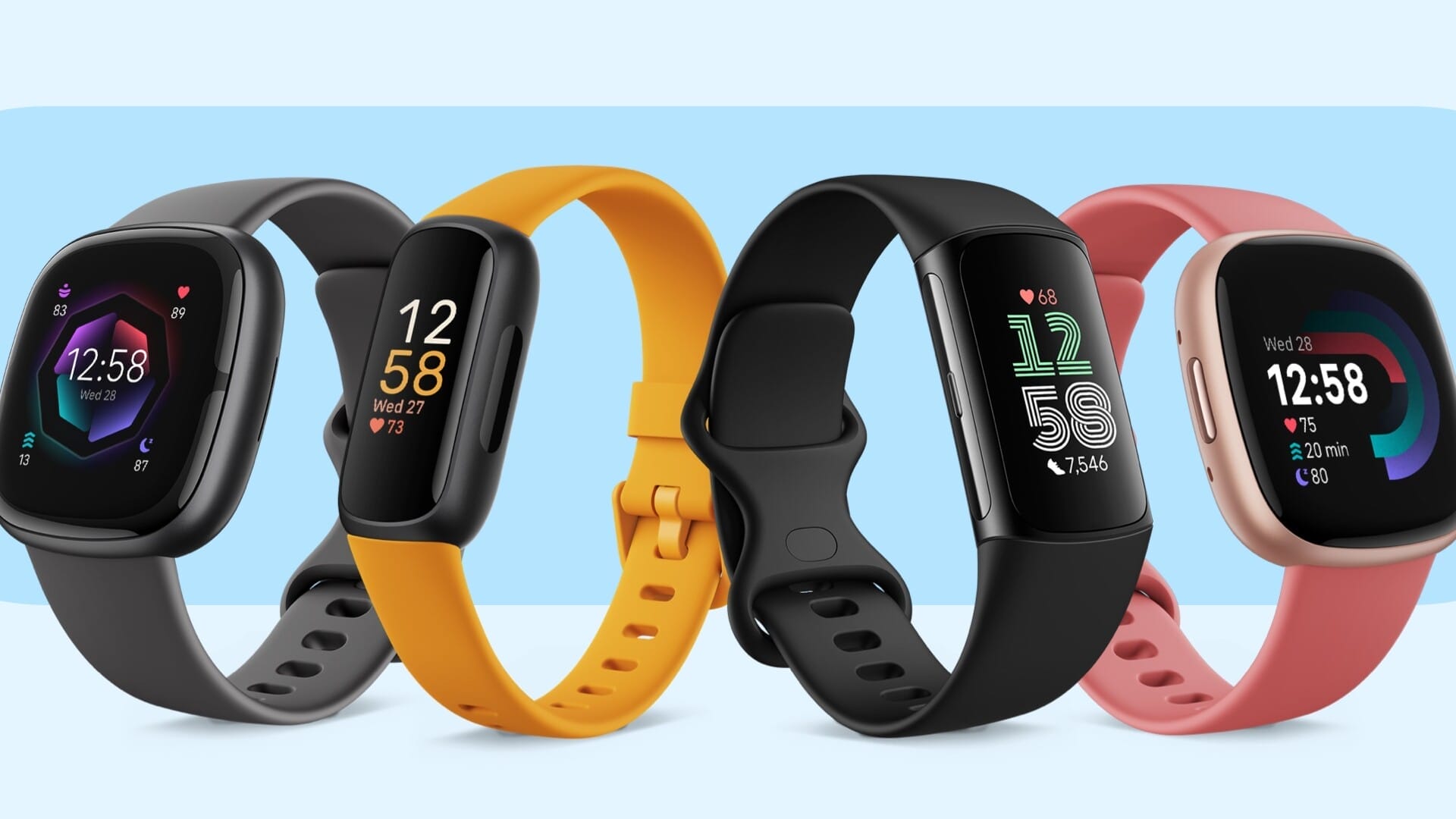
Google’s latest venture into artificial intelligence (AI) sees it tapping into everyday products and services to bring tailored, personal insights to users, making daily health and wellness management more intuitive than ever. During its At The CheckUp event, the tech giant unveiled its AI-first strategy, spotlighting a groundbreaking collaboration between Fitbit and Google Research. Together, they’re crafting a Personal Health Large Language Model named Gemini, aimed at redefining how users interact with their Fitbit and Pixel devices to gain deeper, more meaningful health insights through the Fitbit mobile app.
Transforming health data into personalised insights
In a move that promises to elevate the user experience, the new model will analyse data from a user’s wearable and smartphone to offer enhanced insights and recommendations. Imagine having the ability to understand your sleep patterns and quality in-depth and receiving suggestions on tweaking your workout intensity based on those insights. This innovative approach moves beyond the traditional method of displaying health data through charts and graphs. Instead, it allows users to engage in a conversational manner, akin to interacting with ChatGPT, enabling the Fitbit app to draw connections and correlations between various data points effortlessly.
For instance, you’ll have the opportunity to explore the relationship between your active zone minutes (AZMs)—earned based on your heart rate during physical activities—and the restorative quality of your sleep. With active zone minutes awarded for time spent in different heart rate zones, this feature encourages higher-intensity workouts. It offers a unique lens through which you can view your overall health and wellness.
Early access for premium users
In a bid to refine and perfect these AI features, Fitbit Labs is currently offering Premium users exclusive early access. This phase allows for real-world testing and feedback, ensuring the final product is user-friendly and impactful.
This initiative marks a significant leap forward in personal health technology, demonstrating Google’s commitment to harnessing the power of AI to make health management more accessible and engaging for users worldwide. By integrating these advanced technologies into the Fitbit ecosystem, users are poised to enjoy a more interactive and personalised health-tracking experience, setting a new standard for what wearable technology can achieve in terms of personal wellness.