


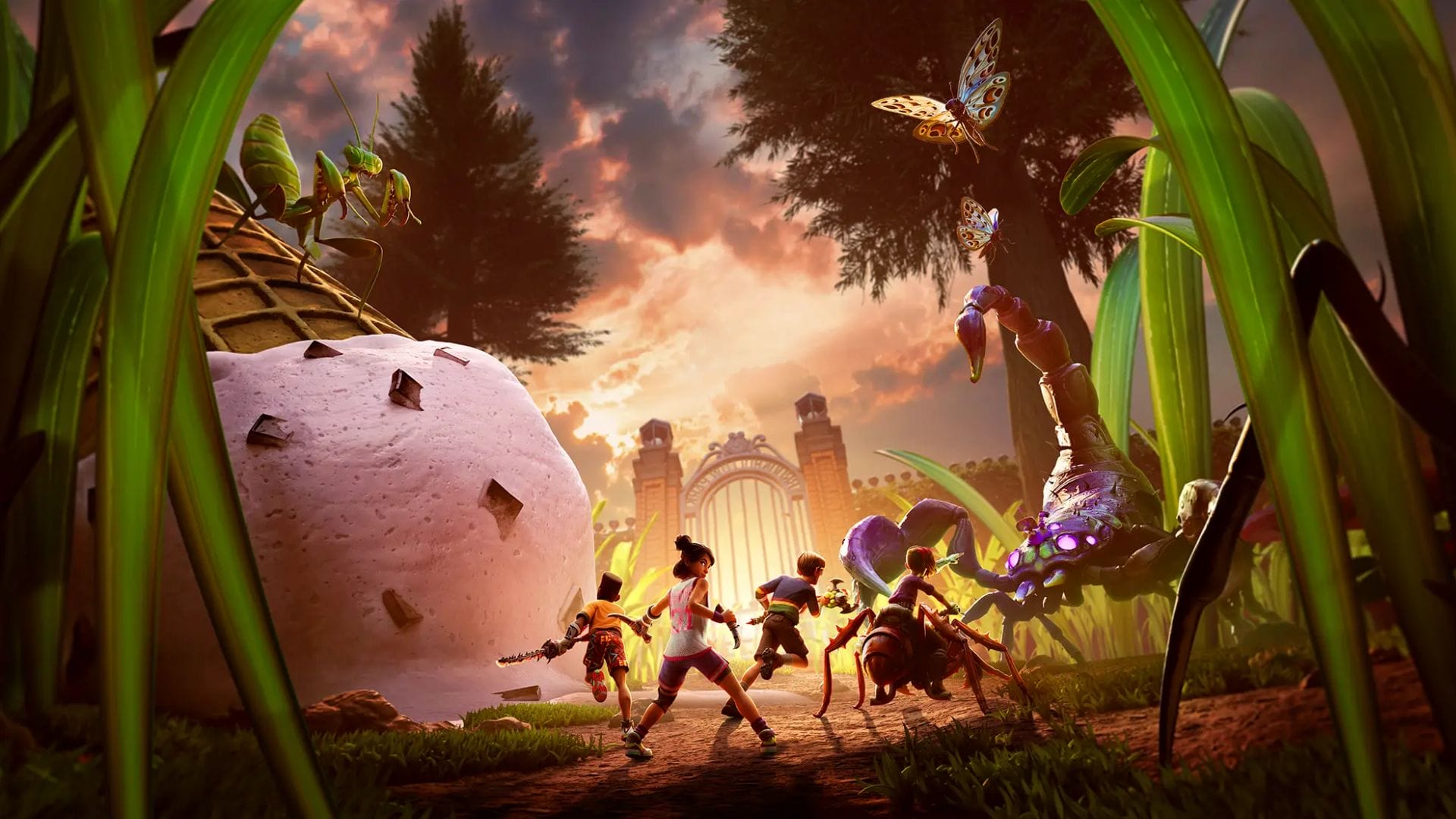
Grounded 2 builds on Obsidian Entertainment’s survival-crafting series with a renewed focus on accessibility, pacing and player freedom. The sequel refines the studio’s familiar formula by removing many of the frustrations that defined the original game’s early hours, while expanding its world and combat systems.
Early reactions suggest the game is striking a chord with players who previously struggled to stay engaged with the genre, and by reducing repetitive tasks and rethinking progression, Grounded 2 positions itself as a more welcoming entry point for newcomers and a more satisfying experience for returning fans.
The game is currently available with its opening region, but Obsidian has already outlined plans to expand the experience further. A major free update due this winter is expected to introduce a new zone that significantly reshapes how the game is played.
A streamlined approach to survival crafting
One of the most significant changes in Grounded 2 is its approach to tools and resource gathering. The introduction of the Omni-Tool, which combines the functions of several essential tools into one unbreakable item, removes a long-standing pain point for survival-crafting players. Instead of repeatedly crafting and replacing basic equipment, players can focus on exploration and progression.
This change has a noticeable impact on the game’s pacing. In the original Grounded, early hours were often dominated by gathering materials to replace broken tools. Grounded 2 shifts that balance, ensuring that time spent in the game world feels productive rather than repetitive. As one common reaction puts it, “Grounded 2 is just more Grounded,” but the improvements become clearer as the crafting system opens up.
Beyond tools, the sequel also adjusts how quickly players gain access to meaningful upgrades. New weapons and equipment are available earlier, reducing the sense of being underpowered for long stretches. This approach encourages experimentation and keeps combat engaging without diminishing the threat posed by the game’s larger, more dangerous creatures.
Exploration, combat and solo play improvements
The opening Picnic Table area showcases Obsidian’s emphasis on environmental design and traversal. Everyday objects such as plastic cutlery and discarded containers are repurposed into vertical challenges that invite players to climb, glide, and carefully plan routes. These spaces provide moments of visual spectacle, with sunrise views and familiar garden features transformed by the game’s miniature perspective.
Combat has also been expanded with greater variety and tactical depth. Players can craft poison-based weapons, ranged options and magical staffs relatively early, moving beyond the simple melee encounters that dominated the early stages of the first game. While powerful gear is available, encounters with enemies like the Wolf Spider underscore the importance of caution and preparation.
Another notable improvement is support for solo play. Bug companions now assist in combat, making it more viable to explore the world alone. In contrast to the first game, which often felt tuned primarily for cooperative play, Grounded 2 offers a more balanced experience for players who prefer to tackle challenges on their own.
A major update is set to expand the experience
Obsidian has confirmed that a large, free update arriving this winter will introduce a new area to the map. According to the development team, this expansion represents the “real” start of Grounded 2, signalling a shift in both scale and complexity. Early impressions from public beta testing suggest the update will significantly expand traversal mechanics.
The new zone is expected to place even greater emphasis on movement-based challenges, building on one of the game’s strongest elements. Combat is also set to evolve, with enemies adopting behaviours that reflect their real-world counterparts. Crickets, for example, will kick rather than pounce, and can use their legs to block incoming projectiles.
These changes point to a broader ambition for Grounded 2 as a living game that grows over time. With custom difficulty options already in place, the sequel aims to accommodate a wide range of play styles. By removing many of the more fiddly systems from the original and replacing them with streamlined alternatives, Obsidian appears focused on respecting players’ time while maintaining challenge.
As it stands, Grounded 2 offers a blend of charm, accessibility and depth that sets it apart within the survival-crafting genre. With further content on the way, the game is positioned to strengthen its appeal and build on a foundation that already feels more refined than its predecessor.