

Let It Die: Inferno, the follow-up to the 2016 action title, is set for release on 3 December. The new game brings players back into a chaotic world filled with larger-than-life threats, strange discoveries, and an unexpected twist in its production. While anticipation has grown around the sequel’s sudden launch announcement, the use of generative AI in several parts of the game has become one of the main talking points among fans.
A new disaster and an unexpected development choice
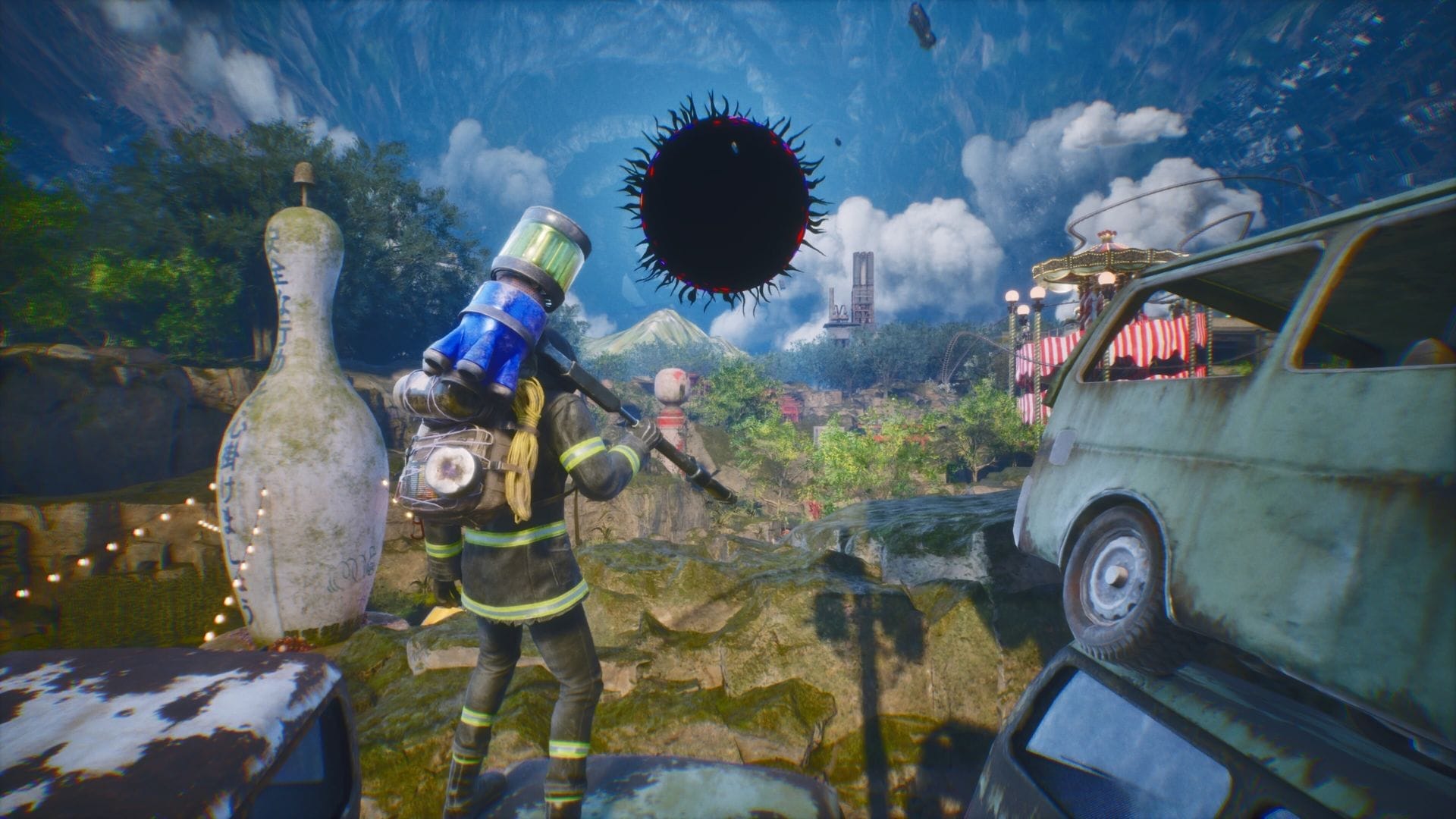
Let It Die: Inferno introduces a fresh global crisis after a vast pit known as the Hell Gate suddenly emerges without explanation. This pit becomes central to the story, serving both as a new source of the energy known as SPLithium and as the site of a powerful relic called the Eye of the Reaper. The sequel continues the series’ signature blend of dark humour, surreal design, and frantic combat, offering returning players a familiar yet expanded world.
However, what sets the sequel apart is not only its storyline but its use of artificial intelligence. Supertrick Games, the studio behind the project, confirmed on the game’s Steam page that AI tools were utilised during development. In its disclosure, the studio stated: “AI-generated content has been used and then edited by our team for certain parts of the in-game voices, music, and graphics.” This statement appeared as part of Steam’s rules, which require developers to declare any generative AI contributions to their games.
According to the disclosure, parts of the background signboard textures, Records images, and InfoCast videos include AI-generated material. The studio also confirmed that sections of the musical score and some elements of the voice work were created using generative AI, which were then further refined by the team. What remains unclear is the scale of AI involvement, as the description refers only to “some parts,” offering little detail on the extent of these contributions.
Polygon contacted Supertrick Games for further comments, but the developer has not issued a public statement beyond the required disclosure.
Fans react to the reveal, and industry concerns continue
The inclusion of generative AI has quickly become one of the main discussion points within the game’s community. Players who followed the original title note that the 2016 release did not use any AI-generated material. It was a free-to-play game that earned a “mostly positive” rating on Steam and built a loyal fan base through its unusual style and intense gameplay. The sequel’s reliance on AI, even in a limited capacity, has already sparked divided opinions.
Some players have expressed disappointment, arguing that AI-generated content might reduce opportunities for human voice actors, artists, and musicians. Others have questioned whether the decision could affect the game’s overall quality or identity. Discussions on platforms such as Reddit show that some fans may skip the game entirely because of the studio’s choice. One comment summed up the mixed response with pointed humour: “Let It Die then,” a player wrote, referencing the original title’s name.
The timing of this development has added further tension, as many in the industry have only recently wrapped up a long debate about AI and creative rights. Earlier this year, SAG-AFTRA’s video game performers held a prolonged strike focused on protecting against the unregulated use of AI. These protections were eventually secured, but they do not prevent studios from deciding to integrate AI into their work, provided they follow disclosure rules.
For fans who supported the strikers and their concerns, the news of AI use in Let It Die: Inferno feels like a step back. Some worry that normalising AI in games, especially in areas such as voice acting, may encourage more studios to reduce human creative roles. Others suggest that AI usage could become commonplace in smaller tasks, eventually expanding into more significant parts of game development.
What to expect from the launch
Despite the controversy, interest in Let It Die: Inferno remains strong. The game promises a blend of fast-paced action, unpredictable encounters, and the offbeat style that defined the original. The Hell Gate, the Eye of the Reaper, and SPLithium are set to play major roles in the game’s progression, creating new challenges and rewards for players to explore.
The sequel also continues the franchise’s global setting and eccentric characters, with many fans curious to see how the story will evolve. Yet as the release date approaches, the conversation around the game appears increasingly focused on how its use of AI may influence both the player experience and wider industry trends.
Supertrick Games has not yet explained why generative AI was used or how the team decided which elements to create with these tools. Until the studio provides more detail, much of the discussion will remain speculative. Some players believe AI might have been used to streamline production, reduce costs, or experiment with certain creative ideas. Others fear it signals a shift away from human-driven artistry in areas such as voice work and music.
Regardless of the reasons, the confirmation of AI involvement has already shaped the narrative surrounding Let It Die: Inferno’s launch. Players may discover during gameplay how noticeable these AI-generated elements truly are, but for now, the topic stands as one of the most debated aspects of the upcoming release.
Let It Die: Inferno arrives on 3 December, and its reception may reflect more than just the quality of the sequel. It also offers a glimpse into how the use of generative AI is evolving within the gaming industry and how players respond when creativity intersects with new technology.