

As Shadow of the Colossus marks its 20th anniversary on 18 October 2025, the game remains a landmark in storytelling and emotional depth. Developed by Fumito Ueda, the PlayStation classic has long been praised for its artistry and silence — not only in its landscapes and music but in its protagonist, Wander. Two decades later, it continues to be studied for its unique take on morality, agency, and the player’s role within a story that resists easy judgment.
A tale told through silence
In many games, a silent protagonist serves as a blank slate for the player. Figures such as Gordon Freeman or Link are intentionally voiceless, inviting players to project themselves into the story. Yet, in Ueda’s work — from Ico to The Last Guardian — silence becomes something far more profound. His characters often speak little or communicate in unknown languages, creating a sense of emotional distance that invites empathy rather than identification.
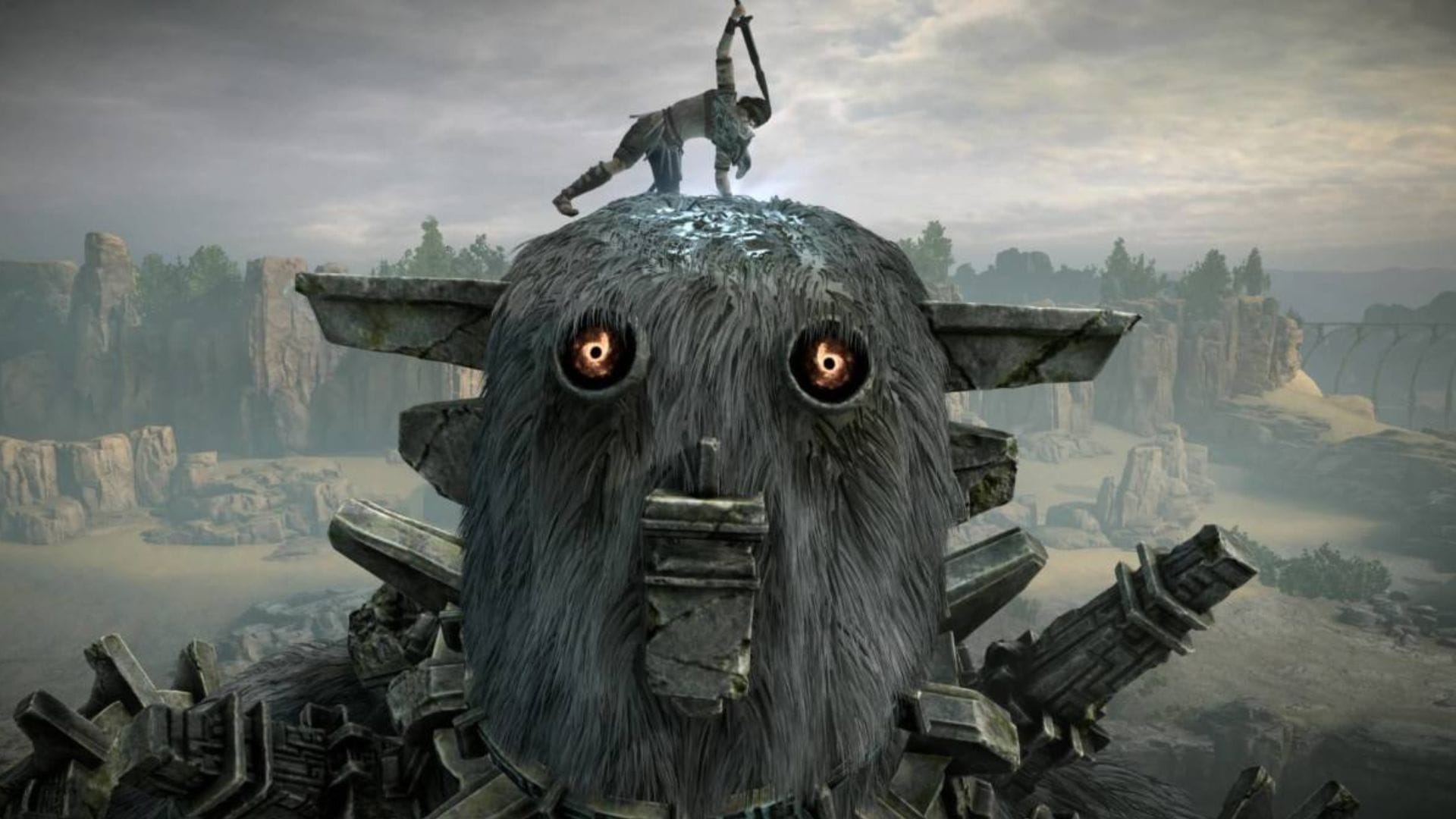
In Shadow of the Colossus, this distance is especially striking. Wander’s story begins mid-journey, as he arrives on horseback at a forbidden land to place his beloved, Mono, on an altar. Guided by a mysterious voice named Dormin, Wander must slay sixteen colossal beings to bring her back to life. On the surface, he appears to be a heroic figure: he carries a sacred sword, follows divine guidance, and faces enormous foes. Yet, beneath this traditional quest lies a haunting truth — Wander is the aggressor.
The colossi, majestic and mournful, rarely attack until provoked. Their blood is black, their cries almost human. The game turns familiar tropes of heroism into tragedy, transforming victory into something unsettling. Through its minimal dialogue and stark design, Shadow of the Colossus forces the player to confront the cost of ambition and love without ever condemning them outright.
The player’s role and the illusion of control
Unlike many modern titles that lecture or moralise, Shadow of the Colossus gives no explicit commentary on the player’s actions. Games such as BioShock and Spec Ops: The Line famously challenge players by revealing how little control they truly possess, turning them into unwilling participants in the protagonist’s downfall. These games shout their messages through dialogue and plot twists, directly implicating the player in the character’s sins.
By contrast, Shadow of the Colossus whispers. Its world is vast, empty, and still. It does not scold the player or explain its meaning. Instead, it allows understanding to emerge gradually, through action and observation. Wander’s motivation — to defy death for love — is never questioned aloud, yet his determination becomes increasingly unsettling as the colossi fall.
This subtle approach makes Wander feel more human than many voiced heroes. His silence is not a blankness to be filled but a deliberate distance that gives him autonomy. He is not merely a vessel for the player’s will, but a character whose choices are already set in motion. The player participates in those choices but does not own them. In this exchange lies the game’s quiet genius: it encourages empathy without requiring identification.
A story of consequence and compassion
When Wander’s quest ends, his transformation into a child and Mono’s awakening create one of gaming’s most poignant conclusions. The fellowship that seals him away cannot undo what he has done. His power, agency, and even adulthood are stripped from him, leaving only innocence — or perhaps consequence. Mono’s gentle decision to care for him closes the story with quiet grace rather than moral finality.
This ambiguous ending is a key part of why Shadow of the Colossus endures. It invites reflection rather than closure, letting players sit with their discomfort and compassion. The game’s refusal to condemn either Wander or the player gives it a rare moral complexity, one rooted not in guilt but in understanding.
Twenty years on, Shadow of the Colossus remains a masterpiece of restraint — a modern fairy tale that shows how silence, distance, and empathy can tell a story louder than words. It is less about condemning the player and more about recognising the humanity in imperfection, obsession, and love itself.