


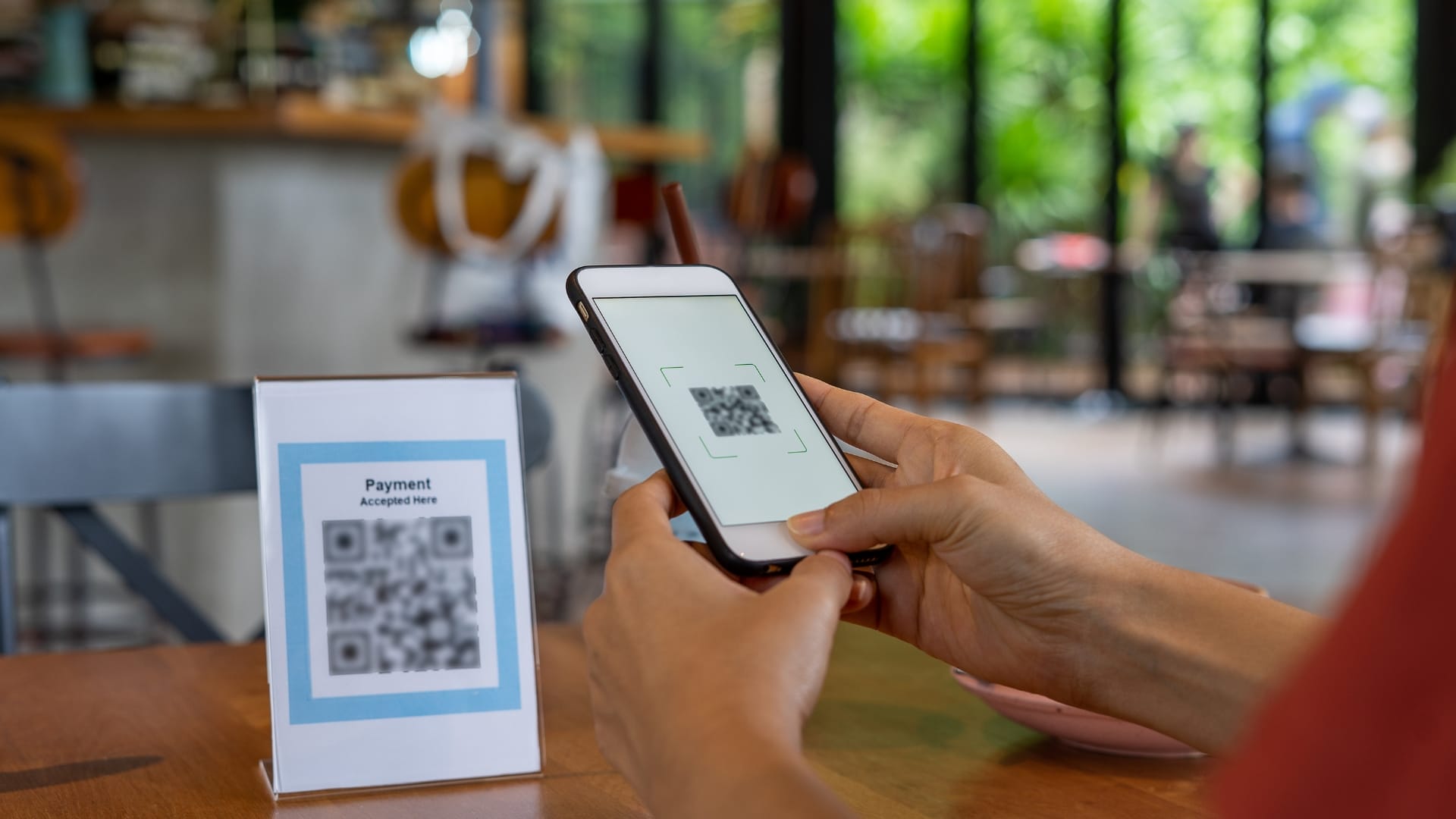
Visa has rolled out its new Scan to Pay solution, expanding QR payment acceptance across Asia Pacific and enabling millions of merchants to accept Visa payments through a wide range of digital wallets and payment apps. The initiative aims to make transactions simpler, more secure, and accessible for both consumers and businesses.
Expanding digital payments across the region
Visa’s Scan to Pay connects participating bank apps and digital wallets, including Samsung Wallet across Asia Pacific, LINE Pay in Taiwan, VNPT Money in Vietnam, and Woori Card and Hyundai Card in Korea. It also integrates with regional QR payment providers such as Lakala in mainland China, FOMO Pay in Singapore, VNPAY and NextPay in Vietnam, and OpenRice in Hong Kong.
The rollout forms part of Visa Pay, a broader initiative designed to link digital wallets with Visa-accepting merchants worldwide. This allows users to tap, scan, or pay online using their preferred platforms, extending the benefits of Visa’s payment network across both physical and digital commerce.
“As commerce across Asia Pacific becomes increasingly mobile-first, Visa is leading the way with innovations like Scan to Pay that accelerate QR payment adoption,” said T.R. Ramachandran, Head of Products and Solutions, Asia Pacific at Visa. “By enabling millions of merchants to accept secure, seamless payments by tapping or scanning, we’re not only expanding digital acceptance but also empowering consumers with more flexible ways to pay — anytime, anywhere.”
Enhancing convenience and trust for consumers
The Scan to Pay solution is designed to create a unified experience for consumers using mobile wallets. It allows users to make purchases both at home and abroad with the same level of convenience and reliability. Transactions are processed through Visa’s secure global network, which ensures safety and consistency regardless of location.
By simplifying cross-border payments, Visa aims to remove friction for travellers and international shoppers. Users can pay in local or foreign stores using familiar wallets and apps, backed by Visa’s fraud protection and transaction assurance.
Supporting business growth and digital inclusion
For merchants, Visa’s new QR payment infrastructure enables broader acceptance of international digital wallets, helping businesses cater to global visitors without major operational changes. Since it leverages existing QR infrastructure, Scan to Pay also reduces payment processing costs and simplifies day-to-day operations.
Visa’s extensive partner network supports merchants in reaching new customer segments and improving engagement. The solution allows businesses to offer more payment options while aligning with the growing trend of mobile-first transactions in the region.
The launch of Scan to Pay reinforces Visa’s commitment to expanding digital acceptance and driving inclusion across Asia Pacific. It underscores the company’s vision of empowering economies through accessible, connected, and secure payment systems.