


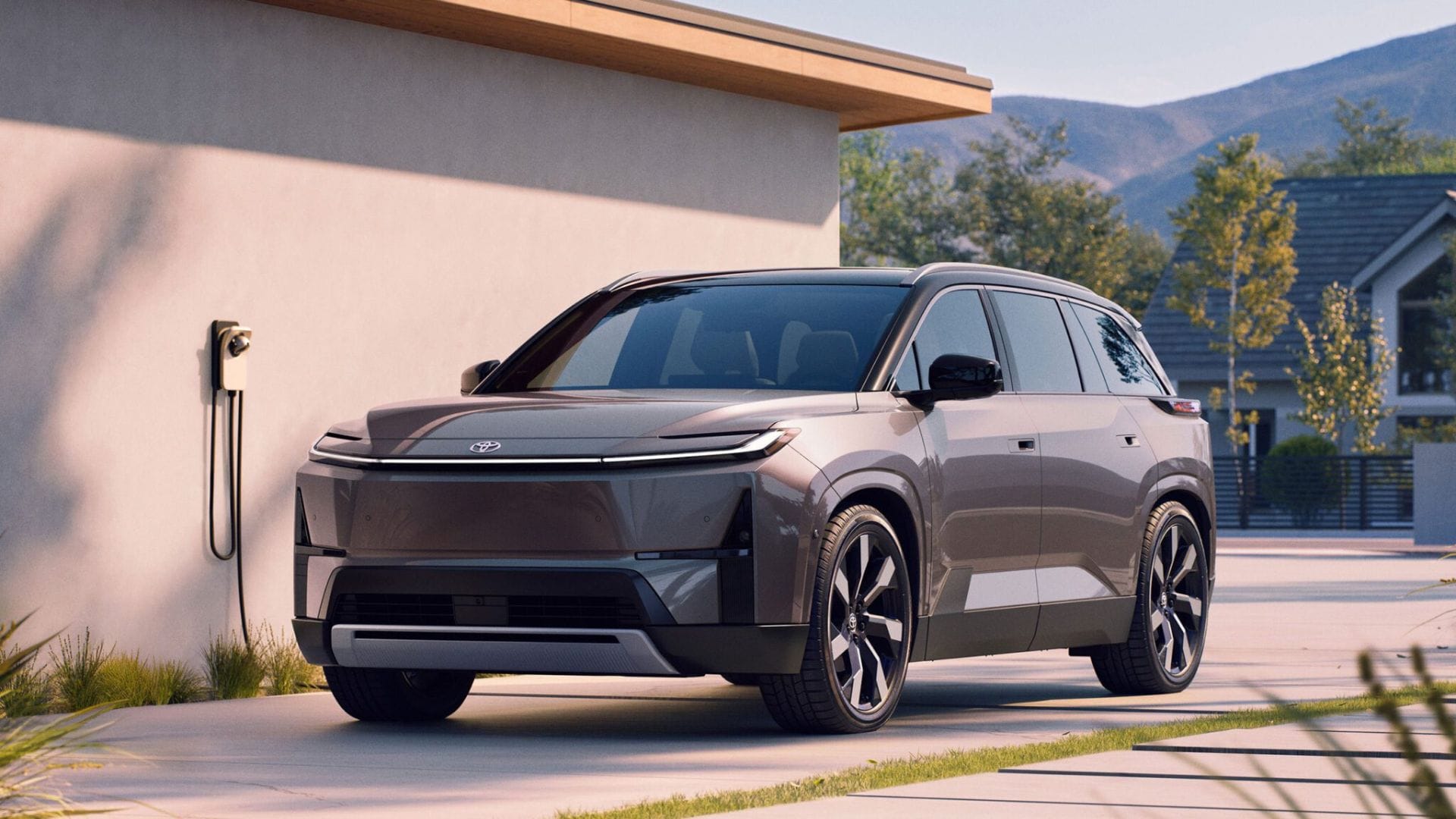
Toyota has revealed the 2027 Highlander as the first fully electric version of its long-running family SUV, marking a major step in the company’s push towards battery-powered vehicles. The model is also Toyota’s first electric vehicle built in the United States and its first electric model with three rows of seats, signalling a clear focus on larger family cars.
The new Highlander joins the electric C-HR crossover and the bZ SUV in Toyota’s growing electric line-up in the US. The carmaker says the model is designed to offer familiar Highlander comfort while delivering the benefits of electric driving, including lower running costs and zero tailpipe emissions.
Design and exterior updates
The 2027 Highlander keeps the recognisable shape of earlier versions but introduces sharper lines and broader fenders, giving it a more modern, robust look. Toyota is targeting buyers who want a large electric SUV without sacrificing the traditional design cues associated with the Highlander name.
One of the most notable changes is the use of flush door handles, a feature popularised by Tesla and other electric car brands to improve aerodynamics. These handles sit flat against the body when not in use, helping to reduce drag and improve range. However, the design has raised safety concerns in some markets, with China recently banning certain flush handle designs over concerns about emergency access.
Despite these changes, Toyota has avoided radical styling. The company is betting that familiarity will appeal to existing Highlander owners who may be hesitant to switch to an electric vehicle. The SUV’s proportions and stance are designed to reassure buyers that the electric version remains a practical and capable family car.
Powertrain options and driving range
Toyota plans to offer the electric Highlander in Limited and XLE grades, with both front-wheel drive and all-wheel drive options available. Battery sizes and performance figures vary by configuration, giving buyers a range of choices based on budget and driving needs.
The top-tier Limited all-wheel drive version uses a 95.8 kWh battery and is expected to deliver up to 320 miles of range on a single charge, according to Toyota’s estimates. The company notes that official range figures may differ once testing by the US Environmental Protection Agency is completed, and consumers are encouraged to compare EPA figures across brands for a more accurate benchmark.
The XLE front-wheel-drive model features a smaller 77 kWh battery and an estimated range of 287 miles. The XLE all-wheel drive version can be paired with either the 77 kWh battery, which offers around 270 miles of range, or the larger 95.8 kWh battery, which matches the Limited model’s 320-mile estimate. All-wheel-drive models produce up to 338 horsepower, while front-wheel-drive models deliver around 221 horsepower.
These figures place the Highlander in the competitive mid-to-large electric SUV segment, where range and power are key selling points. Toyota’s approach suggests it wants to balance performance with efficiency, rather than chasing extreme acceleration or luxury features.
Interior features and market launch
Inside, the electric Highlander is designed to seat seven passengers, maintaining the family-friendly layout that has made the model popular. The third row can fold flat to create more cargo space, which should appeal to buyers who use the vehicle for long trips or transporting large items.
Standard features include heated front seats, with optional heated and ventilated second-row seats available at an additional cost. Toyota has not yet detailed all interior technology features, but the company is expected to include its latest infotainment and driver assistance systems, in line with its recent models.
Toyota plans to begin sales of the 2027 Highlander in late 2026, with some regions receiving the vehicle in early 2027. Pricing has not been announced, and the company says it will share cost details closer to the launch date. Analysts expect the electric Highlander to compete with other three-row electric SUVs from established and emerging brands, as automakers race to capture a growing market for large family EVs.
The launch of the electric Highlander highlights Toyota’s gradual shift towards battery-electric vehicles after years of focusing on hybrids. While the company has been cautious compared with some rivals, the introduction of a three-row electric SUV suggests Toyota is preparing for broader adoption of electric vehicles in mainstream segments.