

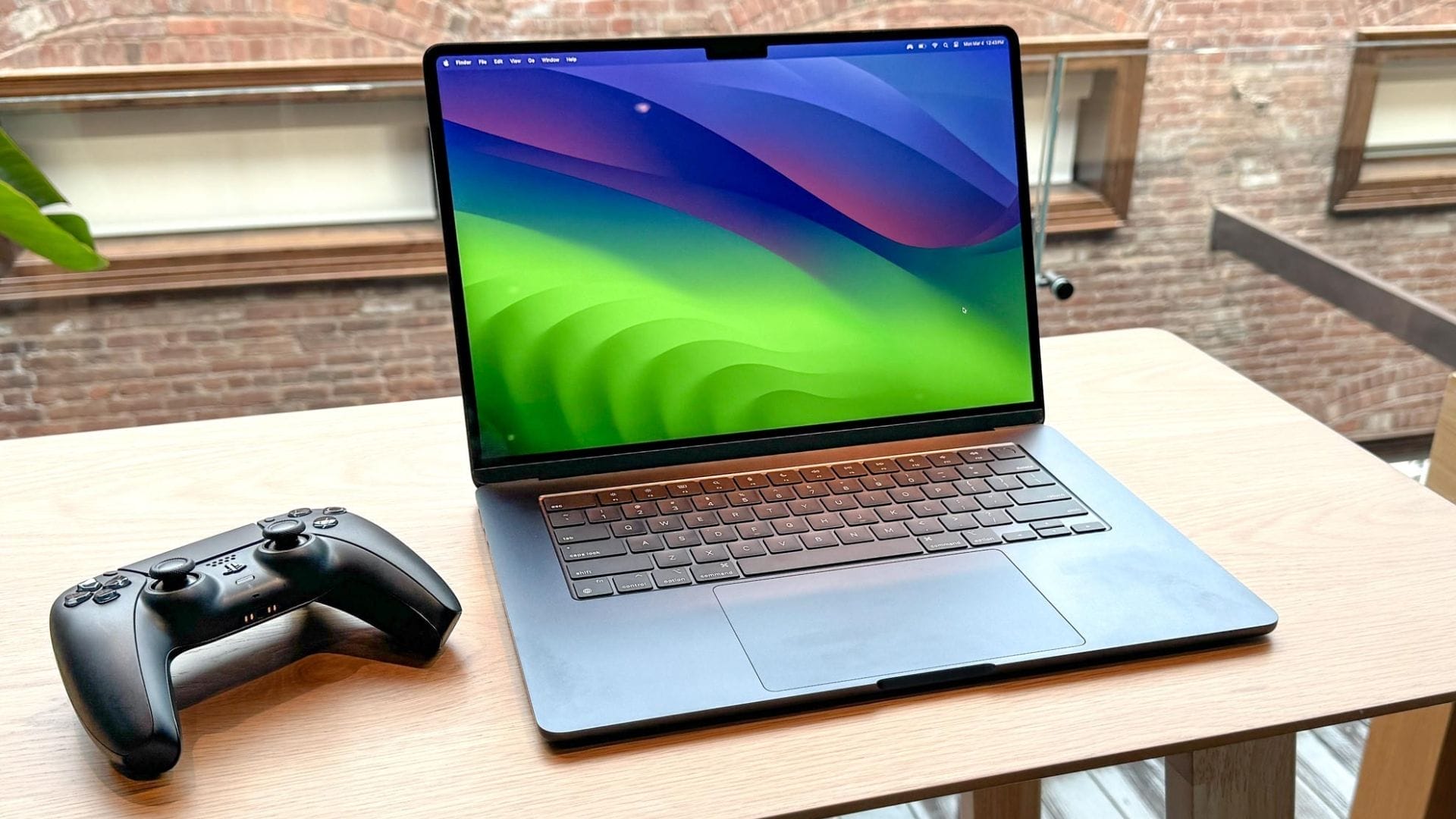
According to Bloomberg’s Mark Gurman, Apple plans to upgrade the MacBook Air to an OLED display as part of a wider refresh of its iPad and MacBook line-up. The MacBook Air, along with three other products, is expected to make the transition to OLED over the next three years.
Currently, the MacBook Air (with the M4 chip) features a Liquid Retina screen that peaks at 500 nits of brightness. Moving to OLED would bring improved brightness, deeper blacks, stronger contrast and better energy efficiency.
Gurman’s earlier reporting suggests that the OLED version of the iPad mini could arrive much sooner, possibly as early as next year, while an OLED MacBook Pro might come in late 2026 or early 2027. A forecast by Omdia indicates that the iPad Air will adopt OLED in 2028, the same year the MacBook Air is expected to make the switch.
Timeline of product roll-outs
The OLED iPad mini is reportedly on track for release as early as next year. Meanwhile, the OLED MacBook Pro is pencilled in for a release in the second half of 2026 or early 2027. The iPad Air is forecast to follow in 2028. Apple is prioritising its smaller and higher-end devices before bringing OLED to the more mainstream MacBook Air.
For the MacBook Air specifically, the delay until 2028 means customers should not anticipate an OLED version anytime soon. By waiting, Apple may ensure better production yield and cost control before extending OLED to a larger volume product.
What OLED could bring to the MacBook Air
If and when the MacBook Air receives an OLED display, users could benefit from several notable upgrades. OLED displays are capable of producing deeper black levels because each pixel can turn off completely, allowing greater contrast than traditional LCD panels. They can also reach higher brightness levels and often consume less power during usage, which may boost battery life.
By contrast, the current MacBook Air’s Liquid Retina display is well-regarded but limited by the underlying LCD technology and its maximum brightness of 500 nits. The switch to OLED would bring the MacBook Air in line with modern display benchmarks seen in premium tablets and laptops. However, the wait means that users looking for OLED now will need to consider other Apple devices or competitors until the upgrade arrives.