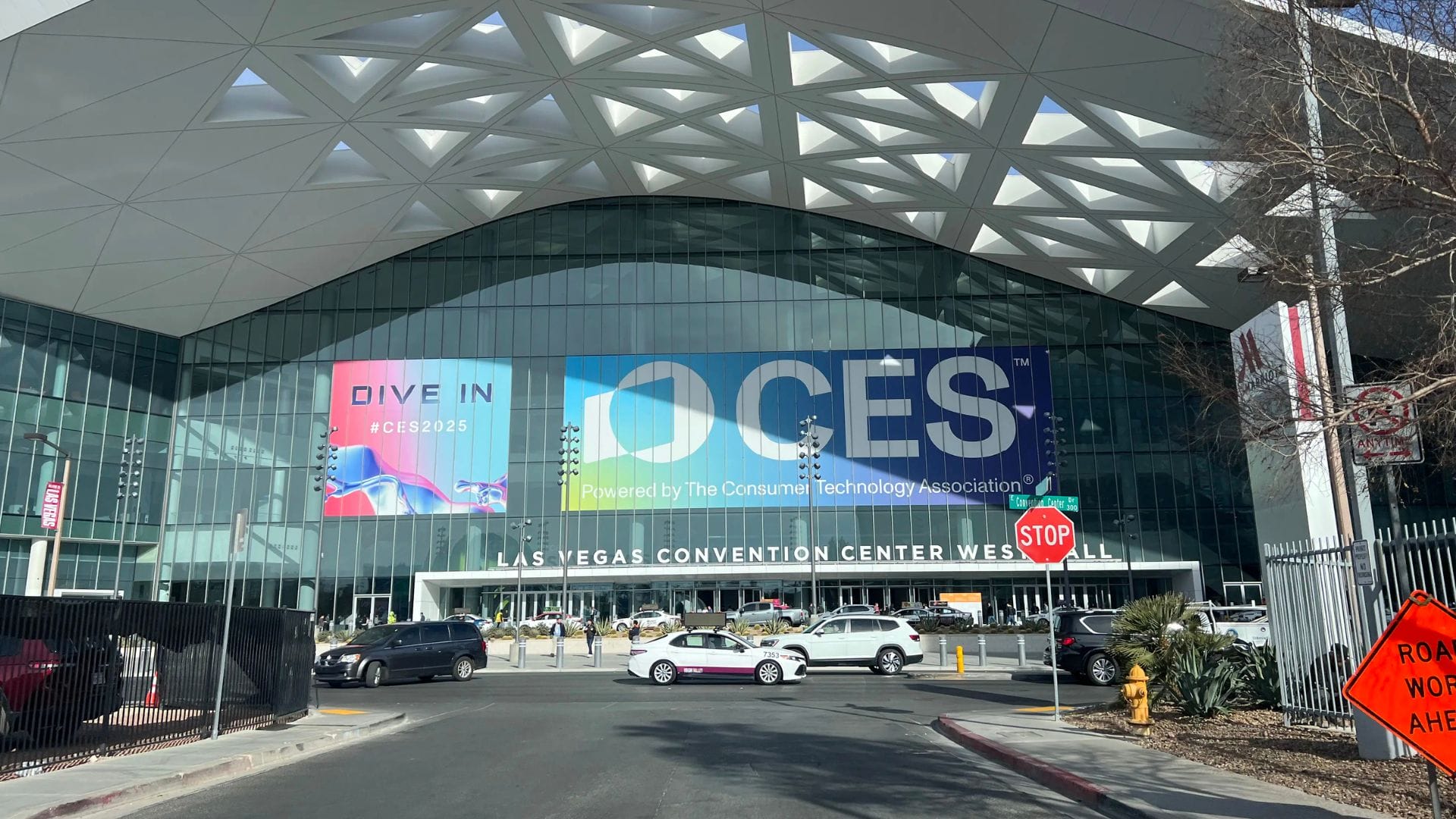
The new year opens with the return of CES 2026, one of the world’s most influential technology showcases. The annual event once again takes place in Las Vegas, setting expectations for trends, products and ideas that are likely to shape the tech industry over the coming year. The official show floor runs from 6 to 9 January, although activities begin earlier, with media events from 4 January and a full day of press conferences on 5 January.
As in previous years, companies will use platforms, stages, and private suites across the city to unveil new hardware, share strategic roadmaps, and demonstrate emerging technology. Large global brands, rising manufacturers and ambitious start-ups are expected to compete for attention. At the same time, analysts, media and industry professionals look for clues about the direction of consumer and enterprise technology in 2026.
Press conferences set the pace for CES announcements
The Consumer Technology Association, which organises CES, has already confirmed a packed schedule of presentations. The programme begins on 4 January, when Samsung opens proceedings with “The First Look,” hosted by TM Roh. The session will focus on the company’s “vision for the DX (Device eXperience) Division in 2026, along with new AI-driven customer experiences.” Running alongside that event is CES Unveiled, a smaller showcase where start-ups and emerging brands typically highlight new concepts and niche innovations.
The momentum continues into 5 January with one of the busiest press days of the show. LG will present under the theme “Innovation in Tune with You,” where it plans to discuss its approach to “elevating daily life through Affectionate Intelligence.” Bosch, Hisense, and Lego are also scheduled to take the stage, while the afternoon is given over to major chipmakers. NVIDIA CEO Jensen Huang will outline how the company’s latest technology aims to boost productivity and innovation, coinciding with a Hyundai briefing on in-car technology and robotics.
Later in the day, Intel and AMD will hold separate events expected to emphasise new processors and AI-focused computing. At the same time, Sony Honda Mobility is set to give another update on its Afeela electric vehicle. On 6 January, Lenovo will deliver its Tech World Conference at the Las Vegas Sphere, highlighting its ambition to provide “smarter AI for all,” potentially including developments from its Motorola smartphone division.
Early reveals and pre-show rivalry between major brands
Much of the excitement leading into CES has already started, as Samsung and LG have again chosen to reveal many of their plans ahead of the show. LG has confirmed it will introduce its first Micro RGB television, which has received certification for full colour coverage in DCI-P3 and Adobe RGB, as well as more than 1,000 dimming zones. The company is also preparing its LG Gallery TV models, designed to blend into home spaces by displaying artwork when not in use, alongside new 5K gaming monitors with AI upscaling.
Beyond televisions, LG is expanding its audio portfolio with a modular Dolby-powered home system and new xboom speakers developed with will.i.am. It is also turning attention to smart living, with plans to demonstrate its CLOiD humanoid home robot, along with updated Aerominum laptops aimed at lightweight productivity.
Samsung is also lining up a strong presence at CES. The company is set to expand its Micro RGB television range following the introduction of a 115-inch model in 2025, adding multiple new screen sizes. It is also expected to unveil a 6K gaming monitor capable of glasses-free 3D and update its Freestyle projector for 2026. On the audio side, Samsung has previewed new wireless soundbars and speakers, including Music Studio 5 and Studio 7 streaming systems designed to work seamlessly across home environments.
Alongside these headline announcements, CES 2026 is expected to bring fresh developments in computing power. AMD is anticipated to introduce new Ryzen processors and expand its AI upscaling capabilities. Intel is preparing to showcase its Intel Core Ultra Series 3 Panther Lake chips, promising major performance improvements and positioning them at the heart of its “AI PC” strategy. Qualcomm’s Snapdragon X2 Elite chips are also expected to appear in new laptops, signalling stronger competition in AI-driven portable computing.
Displays, robotics and emerging themes to watch
Television and display technology traditionally dominate CES, and 2026 appears to be no exception. Samsung, LG and other manufacturers are expected to push Micro RGB technology as the next leap in screen quality, with Hisense and Sony also likely to join the discussion. Sony has been developing new display technologies, including RGB LED technology that delivers brighter, more accurate colours without the limitations of traditional OLED filters. The company has also registered the term “True RGB,” which suggests it may showcase the technology publicly at CES.
Beyond picture quality, display standards may also see change, with Samsung reportedly preparing HDR10+ Advanced to compete with Dolby Vision 2. The update is expected to introduce smarter tone mapping and improved motion handling for sports and gaming. Meanwhile, innovation in power solutions continues, with companies experimenting with battery-powered mounting systems that could eventually reduce dependence on traditional TV power cables.
Robotics is also likely to be a major talking point. Samsung’s Ballie robot has been promised before but has yet to arrive, leading to speculation that the company may attempt another reveal. Regardless, household robots, smart cleaning devices and AI-powered navigation systems are expected to feature strongly. Companies are increasingly focusing on improving real-world awareness and movement, making robots more capable in everyday environments.
CES 2026 will again serve as a platform where ambitious ideas meet practical innovation. Whether through smarter homes, faster processors, brighter screens or more capable robots, the event is set to define many of the conversations that will shape technology throughout the year ahead.