

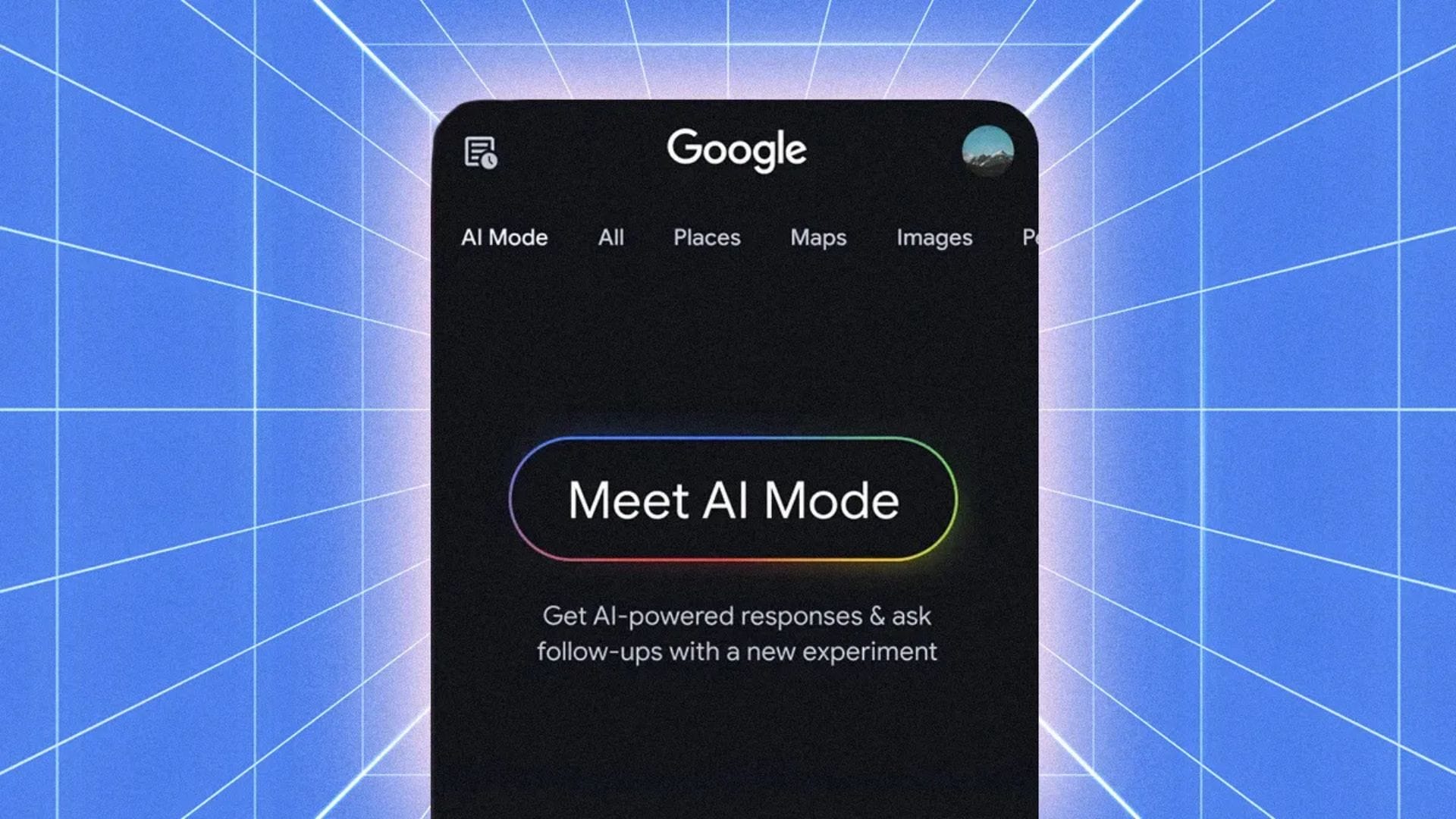
Google has announced an update to its Search product that allows its AI Mode to draw on information from a user’s Gmail and Google Photos accounts to generate more personalised answers. The company said the change is designed to make search results feel more relevant to an individual’s real life, rather than relying only on generic web information.
The update introduces what Google describes as Personal Intelligence within Search. This approach allows AI Mode to quietly connect relevant details across a user’s Google apps when responding to queries. Instead of requiring users to provide background information repeatedly, the system can infer context from existing data, such as emails, images, and past activity.
Until now, AI Mode in Search has focused mainly on answering complex questions through a conversational interface. The addition of Personal Intelligence moves it a step further, aiming to understand a user’s preferences, habits and plans. Google said this reduces the need for manual settings or keyword-heavy searches, making interactions with Search feel more natural.
The company positioned the update as part of a broader effort to evolve Search from a tool that retrieves information into one that supports decision-making. By understanding context and intent, Google believes AI Mode can deliver answers that are more useful in everyday situations.
How AI Mode uses Gmail and Photos in everyday searches
With AI Mode enabled, Search can reference information from Gmail and Google Photos to shape its responses. Google said this allows it to answer questions that depend on personal context, such as travel plans, shopping needs or leisure activities.
For example, when a user is planning a family holiday and asks for suggestions on things to do, AI Mode can look at hotel booking confirmations in Gmail to understand where the user will be staying. It can also analyse Photos to identify the types of experiences the user often captures, helping it tailor recommendations to known interests.
Google shared an example in which frequent selfies involving ice cream could influence the system to suggest local ice cream parlours when a user asks for places to visit. The aim, according to the company, is to reflect personal tastes without requiring the user to spell them out.
Shopping-related searches are another area where Google expects the update to have a noticeable impact. If a user asks for help choosing clothes for a trip, AI Mode can consider flight details from emails, typical weather conditions at the destination, and brands the user has previously purchased. Google compared the experience to having a personal shopper who already understands both the itinerary and the individual’s style.
The company stressed that these connections are made only when they are relevant to the question being asked. AI Mode does not constantly surface personal information; instead, it draws on it selectively to improve response quality.
Privacy controls and rollout details
Google said the new Personal Intelligence features are optional and can be turned off at any time. Users must opt in to allow AI Mode to access information from Gmail and Google Photos for search responses, giving them control over how their data is used.
Addressing privacy concerns, Google stated that AI Mode does not train its models directly on a user’s emails or photo library. Instead, it uses limited information from specific prompts and responses to generate answers. The company said this approach is designed to balance personalisation with user privacy.
Google also noted that users will be able to see when personal context is being used in a response, and can manage or revoke access through their account settings. This transparency is intended to help users understand how Search is using their data.
At launch, the feature is being rolled out to Google AI Pro and AI Ultra subscribers in the United States. Google did not confirm when it plans to expand availability to other regions or to free users, but said it will continue to refine the experience based on feedback.
With this update, Google is signalling a shift in how it views Search within its wider ecosystem. By integrating personal data across its services, the company aims to make Search less about isolated questions and more about supporting real-world decisions. The result, Google said, is a search experience that understands not just what users are asking, but the context behind those questions.