

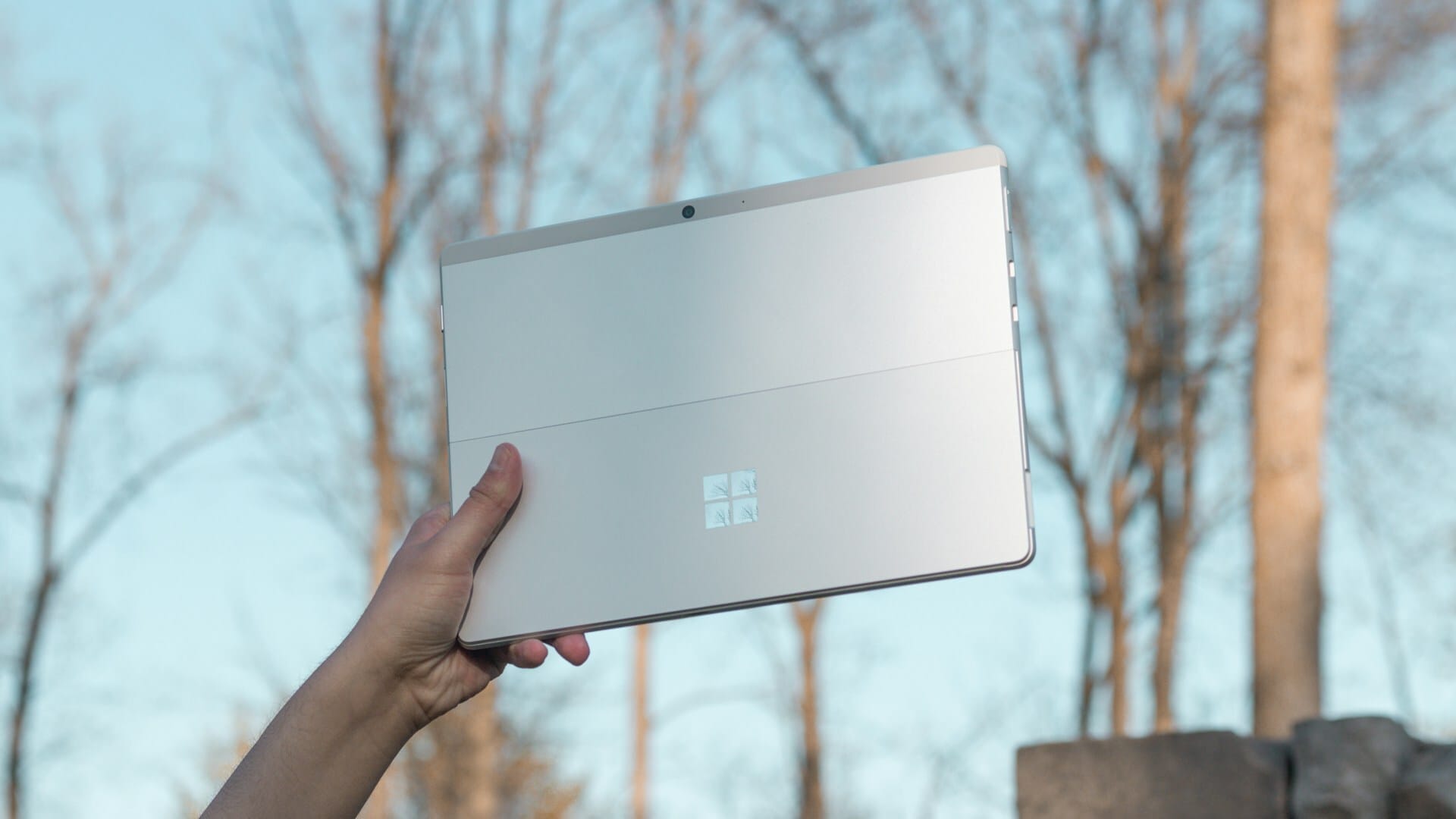
Microsoft has appointed Pavan Davuluri as the new chief of its Windows and Surface divisions. This decision comes after Panos Panay’s unexpected departure to Amazon last year, leading to the separation of the Windows and Surface groups under different leaderships. Davuluri, who previously oversaw the Surface silicon and devices, will consolidate his leadership over Windows and Surface following Mikhail Parakhin’s decision to seek new opportunities.
A unified direction for Windows and Surface
Microsoft aims to bridge the gap between its Windows and devices teams, striving for a unified approach in developing silicon, systems, experiences, and devices. As outlined in an internal memo by Rajesh Jha, Microsoft’s head of experiences and devices, this strategic move is designed to enhance collaboration and innovation across the Windows client and cloud ecosystems, particularly in the burgeoning AI era.
Pavan Davuluri, with over 23 years of service at Microsoft, brings a wealth of experience to his new role. His previous collaborations with Qualcomm and AMD to develop custom Surface processors have been pivotal. The memo also hints at uncertain futures within the company for Mikhail Parakhin, who, before this announcement, was instrumental in the advancement of Bing Chat and Microsoft Edge.
The new era of AI at Microsoft
This leadership change is part of a broader restructuring within Microsoft, highlighting the company’s increasing focus on artificial intelligence (AI). The recent addition of Mustafa Suleyman, co-founder of Google DeepMind and former CEO of Inflection AI, as CEO of a newly formed Microsoft AI team underscores this shift. Suleyman, reporting directly to Microsoft CEO Satya Nadella, is set to steer the company’s consumer-facing AI products, including Copilot, Bing, and Edge.
The internal memo also details the new reporting structure, with key personnel from the Web Experiences team moving under Suleyman’s leadership in the Microsoft AI organisation. This realignment reflects Microsoft’s ambition to forge ahead in consumer AI product development, leveraging the expertise of newly acquired talent from Inflection AI.
Navigating the future
As Microsoft navigates these changes, the collaboration between the Windows and Microsoft AI teams will be critical in shaping the future of AI, silicon, and user experiences. The potential overlap between the teams presents an exciting challenge for the new leaders, especially with Microsoft AI overseeing Edge, a fundamental component of the Windows ecosystem.
Microsoft’s strategic realignment signals the company’s commitment to innovation and leadership in AI and demonstrates its adaptive approach to organisational structure. As these teams come together under new leadership, the tech giant is poised to make significant strides in AI, impacting consumers and the broader technological landscape.