

Apple is reportedly reassessing its approach to the iPhone Air as it seeks ways to make the ultra-slim handset more appealing to buyers. The company is reportedly considering both hardware upgrades and pricing changes for the next version of the device, following signs that the current model has not met sales expectations.
According to a report by The Information, Apple is reviewing what went wrong with the first iPhone Air and how it can refine the concept without abandoning it altogether. While the phone drew attention for its thin and lightweight design, critics and consumers alike have questioned whether those physical advantages are enough to justify its compromises and premium price.
The iPhone Air was positioned as a sleek alternative within Apple’s flagship line-up, appealing to users who value design and portability above all else. However, early feedback suggests that many buyers still prioritise practical features such as camera versatility, battery life and overall value for money. As a result, Apple appears to be weighing changes that could make the next iPhone Air feel less like a niche product and more like a well-rounded option.
Camera upgrades could address a key weakness
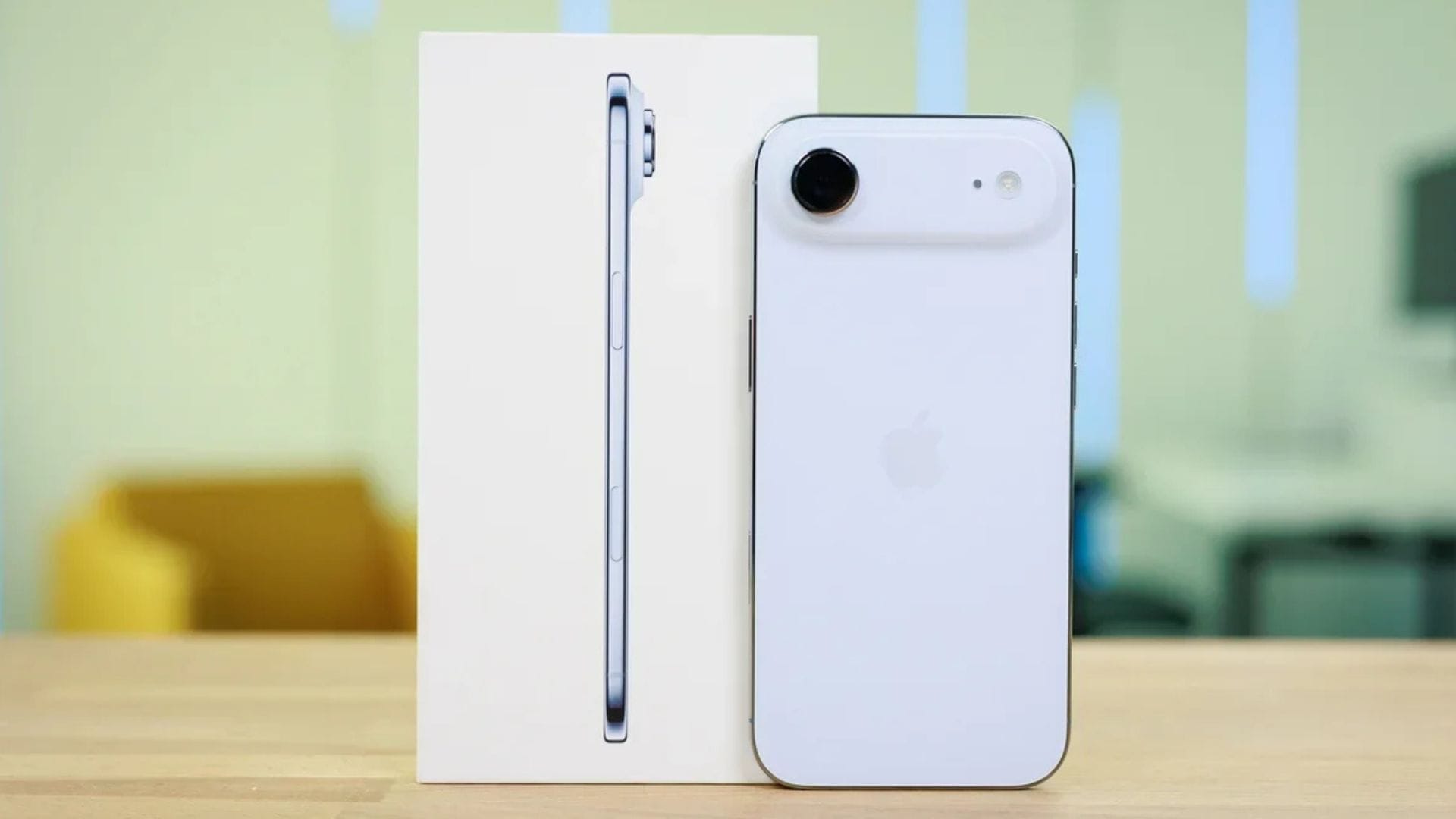
One of the most significant changes under consideration is the addition of a second rear camera to the next iPhone Air, which is widely referred to as the iPhone Air 2. The current model includes a single 48MP Fusion main camera, a decision that has drawn criticism from users who expect greater flexibility from a high-end smartphone.
While the main camera delivers strong image quality in many situations, the lack of additional lenses limits creative options. Everyday scenarios, such as capturing wide group shots, landscapes, or tight indoor spaces, are more challenging without an ultra-wide camera. For many users, switching between lenses has become a standard part of smartphone photography, even on mid-range devices.
By introducing a second rear camera, most likely an ultra-wide lens, Apple could close this gap and bring the iPhone Air closer to the rest of its premium line-up. This move would not necessarily turn the Air into a photography-focused device, but it would remove one of the most obvious trade-offs buyers currently have to accept.
The decision would also better align the iPhone Air with consumer expectations at its price point. In recent years, smartphone buyers have grown accustomed to multi-camera systems, and a single-lens design can feel dated or overly restrictive, even if the image quality is high. Adding another camera could therefore enhance the device’s perceived value, even if its slim profile remains its main selling point.
A second camera may also help Apple better differentiate the iPhone Air from older or more affordable models, which often make similar compromises in camera hardware. Without this change, the Air risks being seen as a design experiment rather than a fully realised flagship option.
Pricing under review as value concerns grow
Alongside potential hardware changes, Apple is also believed to be reconsidering the pricing of the iPhone Air. The current model starts at S$1,599, placing it firmly in premium territory. At that price, consumers have compared it closely with the standard iPhone 17, which offers a more balanced set of features.
The standard iPhone 17 is reported to deliver longer battery life, support for the traditional nano-SIM card and optical zoom options. For many buyers, these practical advantages outweigh the appeal of a thinner body. As a result, the iPhone Air can feel like a harder sell unless design is the top priority.
A lower starting price for the iPhone Air 2 could help shift this perception. By reducing the financial barrier, Apple could make the device’s compromises more acceptable, especially to users drawn to its look and feel but hesitant about the cost. A more competitive price would also help distinguish the Air as a stylistic alternative rather than a direct rival to the standard model.
Pricing strategy has become increasingly important as consumers grow more selective about smartphone upgrades. With incremental improvements year after year, buyers are scrutinising whether new devices offer enough value to justify their cost. In this environment, a premium price attached to a phone with fewer features can be a tough proposition.
Adjusting the price could also help Apple broaden the iPhone Air’s appeal beyond early adopters and design enthusiasts. If positioned correctly, the device could attract users who want a flagship experience that feels different, without asking them to pay extra for features they are giving up.
Weak demand highlights the limits of ultra-slim flagships
These reported changes come amid weaker-than-expected iPhone Air sales. Production volumes are said to have been cut significantly, suggesting that demand has not matched Apple’s initial forecasts. While the company has not publicly commented on sales performance, supply adjustments often reflect cautious expectations.
Apple’s experience is not unique. Samsung has reportedly faced similar challenges with its own ultra-slim flagship, the Galaxy S25 Edge. Reports suggest that Samsung has struggled to generate strong demand for the device and may have put plans for a successor on hold. Together, these developments point to a broader issue within the premium smartphone market.
Ultra-slim designs generate interest and headlines, but they also come with unavoidable trade-offs. Thinner phones often mean smaller batteries, fewer camera components and less room for internal cooling. For many consumers, these compromises are difficult to justify, especially as smartphones have become essential tools for work, communication and entertainment.
The situation highlights a potential mismatch between what manufacturers want to showcase and what users actually value. While engineering a thinner device demonstrates technical skill, it does not always translate into a better everyday experience. As phones have grown more capable, reliability and versatility have taken precedence over form alone.
Apple’s reported reassessment of the iPhone Air suggests that the company recognises these realities. Rather than abandoning the concept, it appears to be looking for ways to balance design with practicality. Adding a second camera and adjusting the price would be steps towards making the Air feel less like a compromise and more like a deliberate choice.
Whether these changes will be enough remains to be seen; much will depend on how Apple positions the next iPhone Air and how clearly it communicates the benefits to consumers. In a crowded, competitive market, even well-known brands must adapt quickly to shifting consumer preferences.
If the reports prove accurate, the next iPhone Air could represent a more refined take on Apple’s ultra-slim vision. By learning from early feedback and addressing key concerns, Apple may yet find a place for the Air within its wider iPhone strategy, even as the appetite for ultra-thin flagships remains uncertain.