


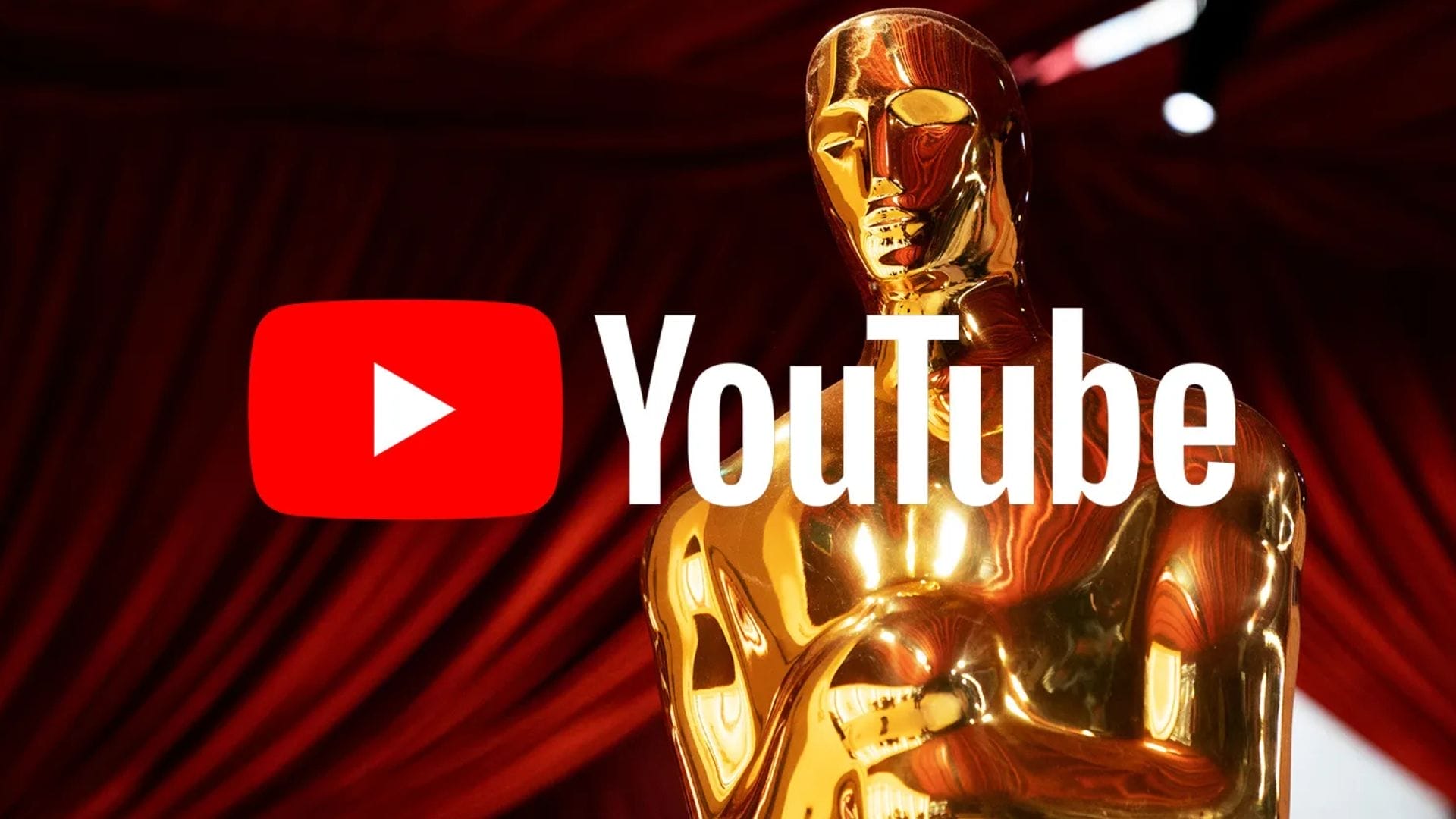
The Academy of Motion Picture Arts and Sciences has confirmed a major change to the future of the Academy Awards, announcing a four-year agreement that will move the Oscars to YouTube beginning in 2029. Under the deal, YouTube will hold exclusive global streaming rights to the ceremony from 2029 until 2033, marking the first time the awards will be shown worldwide on a single digital platform without regional restrictions.
The announcement reflects wider changes in how global audiences consume major live events. It also signals a notable shift for one of the film industry’s most established institutions, which has traditionally relied on national broadcasters and cable television to reach viewers.
A global broadcast without barriers
The Academy has emphasised that the deal is truly ‘Global’, meaning the Oscars will be available free of charge to viewers worldwide on YouTube. There will be no regional blackouts or separate broadcast arrangements, allowing audiences in every market to watch the ceremony at the same time through the platform.
The agreement goes beyond the awards ceremony itself. YouTube will also stream red carpet arrivals, backstage footage and coverage of the Governors Ball, the official celebration held after the ceremony. This expanded access aims to give viewers a broader and more immediate look at the Oscars experience, rather than limiting coverage to the main event alone.
For YouTube, the deal adds one of the most recognisable live entertainment events in the world to its platform. For the Academy, it provides a way to reach a far larger and more diverse audience than traditional television broadcasts have managed in recent years. YouTube’s global user base exceeds two billion people, offering a level of reach that few broadcasters can match.
Although the Academy has not publicly detailed the financial terms of the agreement or how YouTube’s offer compares with those from other broadcasters, audience scale is widely seen as a key factor. In the United States, live television viewership for the Oscars has struggled to regain past highs. Over the last five years, the ceremony has failed to attract more than 20 million live TV viewers in the US, a sharp contrast with figures from earlier decades.
Measuring global viewership has also become more difficult as audiences fragment across platforms and viewing habits shift. By moving entirely to YouTube, the Academy appears to be prioritising accessibility and long-term relevance over the prestige of traditional broadcast slots.
A break from decades of tradition
The decision represents a significant departure from the Oscars’ long-standing broadcast arrangements. In the US, the Academy Awards have aired on the ABC network since 1976, creating a nearly half-century association with network television. In other markets, the ceremony has similarly been tied to established broadcasters. In Singapore, for example, Mediacorp’s Channel 5 has carried the Oscars since 2020.
While the Academy has experimented with digital platforms before, these efforts have typically involved simulcasts rather than exclusivity. In recent years, the ceremony has also been available on streaming services such as Disney+ and Hulu in certain regions, alongside traditional TV broadcasts. However, the move to YouTube marks the first time the Oscars will abandon conventional television entirely in favour of a single streaming platform.
This shift may surprise some observers, given the Academy’s age and reputation. Approaching its 100th anniversary, the organisation has long been seen as a guardian of traditional cinema and the theatrical experience. The Oscars have historically played a role in reinforcing the cultural status of films released in cinemas and supported by major studios.
By choosing YouTube, the Academy is acknowledging that streaming platforms now play a central role in shaping film culture and audience engagement. The move suggests an acceptance that legitimacy and prestige are no longer tied exclusively to television networks or cinema screens.
The announcement also follows a period of rapid consolidation and change within the media industry. Streaming services have continued to expand despite rising subscription prices, while traditional studios and broadcasters face increasing pressure. The recent acquisition of Warner Bros by Netflix highlights how digital-first companies are gaining influence over long-established players in film and television.
Against this backdrop, the Oscars’ decision looks less like an isolated experiment and more like part of a broader transformation. Legacy institutions are being forced to adapt as audiences demand greater flexibility, accessibility and global reach.
What the move could mean for the future
Despite its scale, the YouTube agreement is not permanent. The partnership runs for four years, leaving open the possibility of further change once the deal expires in 2033. If viewership increases significantly and audience engagement improves, the Academy and YouTube may choose to extend the arrangement. Alternatively, the Academy could reassess its strategy and explore other options, including a return to hybrid broadcasts or new partnerships.
The four-year timeframe suggests a period of testing and adjustment rather than a final decision on the Oscars’ long-term home. It also allows the Academy to gather detailed data on viewing behaviour, engagement and global reach, information that is far easier to obtain on a digital platform than through traditional television ratings.
For viewers, the immediate impact is clear. From 2029, the Oscars will be easier to watch than ever before. Anyone with an internet connection can tune in without a cable subscription or access to a specific broadcaster. This increased accessibility could help the ceremony reconnect with younger audiences who are less likely to watch live television.
At the same time, the move raises questions about how the Oscars will present themselves in a digital-first environment. YouTube’s platform is built around on-demand content, short-form video, and algorithm-driven discovery, which differs sharply from the carefully staged, appointment-based nature of a live awards show. How the Academy balances tradition with the expectations of online audiences will be closely watched.
Ultimately, the shift to YouTube reflects changing realities rather than a rejection of the Oscars’ past. The ceremony remains a powerful symbol of recognition within the film industry. By embracing a platform with unmatched global reach, the Academy appears determined to ensure that the symbol remains visible and relevant in an increasingly digital world. Whether the move will revitalise the Oscars or redefine how they are experienced will become clear once the first YouTube-streamed ceremony takes place in 2029.