


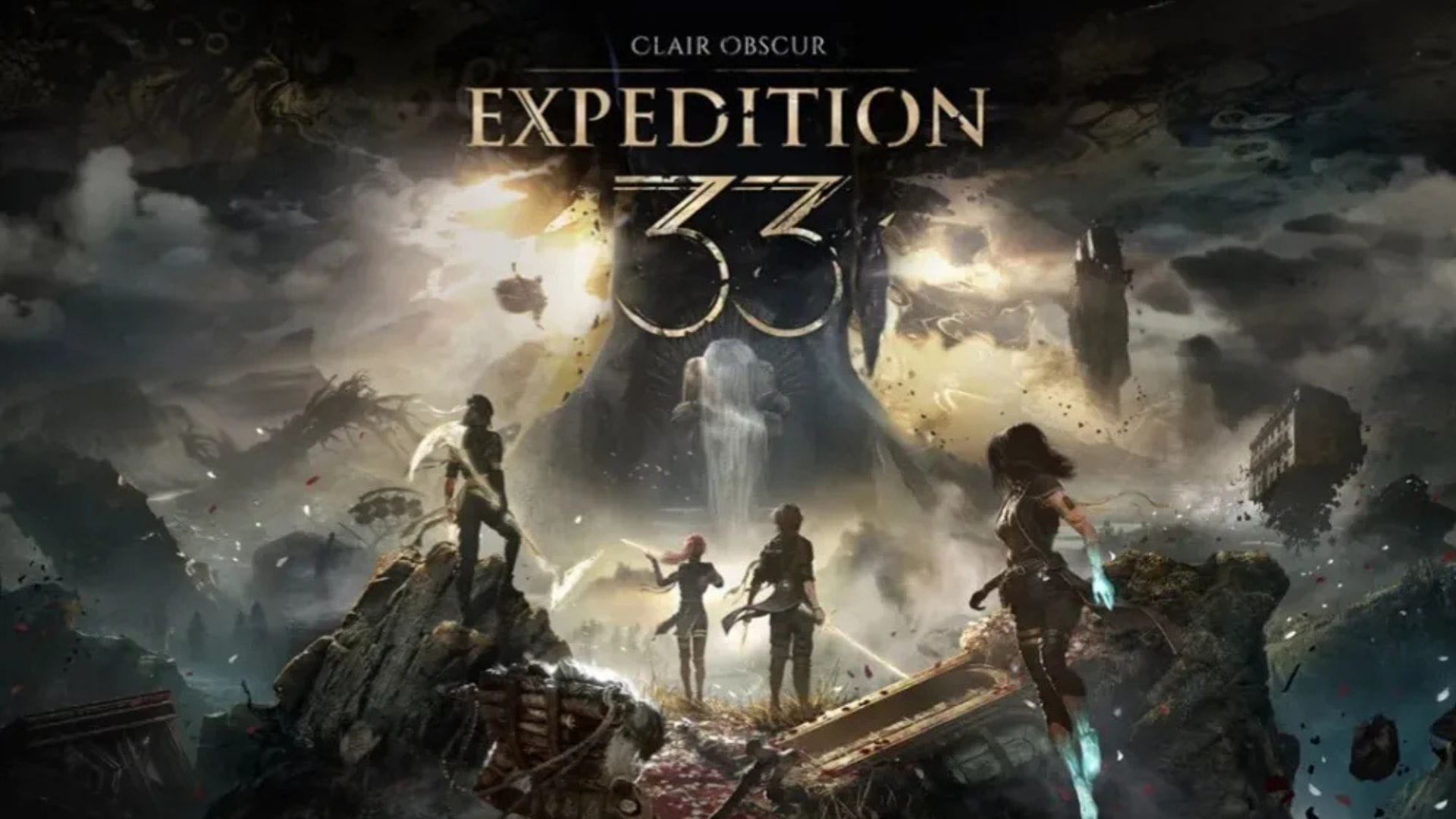
Clair Obscur: Expedition 33 briefly emerged as one of the biggest winners at the Indie Game Awards this year, collecting both Game of the Year and Best Debut Game before its success was abruptly overturned. Just two days after the ceremony, the awards body confirmed that it had rescinded both honours following revelations about the use of generative AI assets during the game’s production.
The decision has placed renewed focus on how the games industry defines acceptable use of AI tools, particularly as developers and publishers face growing scrutiny from players, creators, and award organisers alike. While the developer maintains that the AI-generated content was limited and later removed, the Indie Game Awards ruled that its presence at launch breached the event’s eligibility rules.
Awards withdrawn after post-ceremony review
Clair Obscur: Expedition 33 is developed by Sandfall Interactive and published by Kepler Interactive. The title had been widely praised for its artistic direction and narrative ambition, making its double win at the Indie Game Awards a notable moment for the independent studio. However, celebrations were short-lived.
According to an update published on the Indie Game Awards’ official FAQ page, the organisation reviewed information that emerged on the day of the Indie Game Awards 2025 premiere. The page explains that the developer initially confirmed there would be no use of generative AI when the game was submitted for awards consideration. The statement reads, “representatives of Sandfall Interactive agreed that no gen AI was used in the development of Clair Obscur: Expedition 33”.
The situation changed when Sandfall Interactive later acknowledged that generative AI art had been used in production. The same FAQ update continues, “In light of Sandfall Interactive confirming the use of gen AI art in production on the day of the Indie Game Awards 2025 premiere, this does disqualify Clair Obscur: Expedition 33 from its nomination.”
The IGAs Nomination Committee is officially retracting Debut Game and Game of the Year, awarding both categories to new recipients. Additionally, we are retracting one of the Indie Vanguard recipients. Full details can be found in our FAQ under Game Eligibility: www.indiegameawards.gg/faq
— The Indie Game Awards (@indiegameawards.gg) December 21, 2025 at 2:45 AM
[image or embed]
Although the AI-generated assets were reportedly removed from the game shortly after launch, the awards body said their initial inclusion was sufficient grounds for disqualification. As a result, both the Game of the Year and Debut Game awards were formally withdrawn.
The Indie Game Awards did not indicate that the honours would be reassigned to other nominees; instead, it framed the decision as an enforcement of existing rules designed to ensure transparency and fairness across submissions.
Developer statements and earlier admissions resurface
The controversy gained momentum on social media as earlier comments from Sandfall Interactive leadership resurfaced. Quotes from François Meurisse, a senior figure at the studio, circulated widely in the days following the awards decision, drawing attention to previous acknowledgements of AI use.
Earlier in the year, Sandfall Interactive had already spoken publicly about limited experimentation with generative AI during development. In June, Spanish newspaper El País published an interview conducted around the game’s launch. In that interview, Meurisse admitted that the studio had used a minimal amount of generative AI in some form while working on Clair Obscur.
At the time, those remarks did not trigger widespread backlash. However, the broader context has since shifted. Discussion around generative AI in games has intensified across the industry, particularly as more studios explore its use for concept art, writing assistance, and production workflows.
The renewed attention to Meurisse’s comments came amid a wider debate sparked by statements from Larian Studios chief executive Swen Vincke. Vincke recently confirmed that Larian is using AI tools in the development of its upcoming Divinity project, prompting mixed reactions from fans and fellow developers. That discussion has heightened sensitivity around when, where, and how AI is deployed in game development.
In this environment, Sandfall Interactive’s earlier admissions took on new significance, particularly when contrasted with the assurances reportedly given during the Indie Game Awards submission process. While the studio has not disputed the awards body’s account, it has emphasised that the AI-generated elements were minor and did not represent the game’s overall creative direction.
Industry debate over AI rules and transparency
The withdrawal of Clair Obscur’s awards highlights the lack of universal standards governing generative AI in games, especially within awards frameworks. Different events and organisations apply different thresholds, ranging from outright bans to conditional acceptance, depending on how tools are used.
The Indie Game Awards have positioned their rules as a safeguard for human-led creativity, particularly within the independent sector. By enforcing a strict interpretation of their eligibility criteria, the organisation is signalling that even limited or temporary use of generative AI can have serious consequences if not fully disclosed.
For developers, the case underscores the importance of clarity and consistency when discussing AI use. Even when assets are removed before or shortly after launch, their existence during development or release can still carry reputational and professional risks. It also raises questions about how awards bodies should handle evolving production practices that blur the line between traditional tools and AI-assisted workflows.
For players and critics alike, the incident reflects ongoing unease about the role of AI in the creative industries. While some see generative tools as a way to support smaller teams and reduce costs, others worry about their impact on artistic authenticity and labour practices. Awards decisions like this one suggest that, at least for now, caution and transparency remain paramount.
Clair Obscur: Expedition 33 remains available to players in its updated form, without the disputed assets. Despite losing its Indie Game Awards honours, the game continues to attract attention for its design and ambition. However, its experience now stands as a cautionary example for studios navigating the rapidly changing landscape of AI-assisted development.