

Tesla is preparing to wind down production of its long-running Model S and Model X vehicles as it shifts resources towards robotics and autonomous technology, according to comments made by chief executive Elon Musk during the company’s earnings call for the 2025 fiscal year.
Speaking to analysts, Musk said Tesla would “basically stop the production” of the two premium electric models in the next quarter. He described the decision as an “honourable discharge” for the vehicles, adding that the company was moving into “a future that’s based on autonomy”. Tesla will continue selling existing stock while supplies last and has said it will support the cars for as long as customers own them, but once inventory is exhausted, the models will not return.
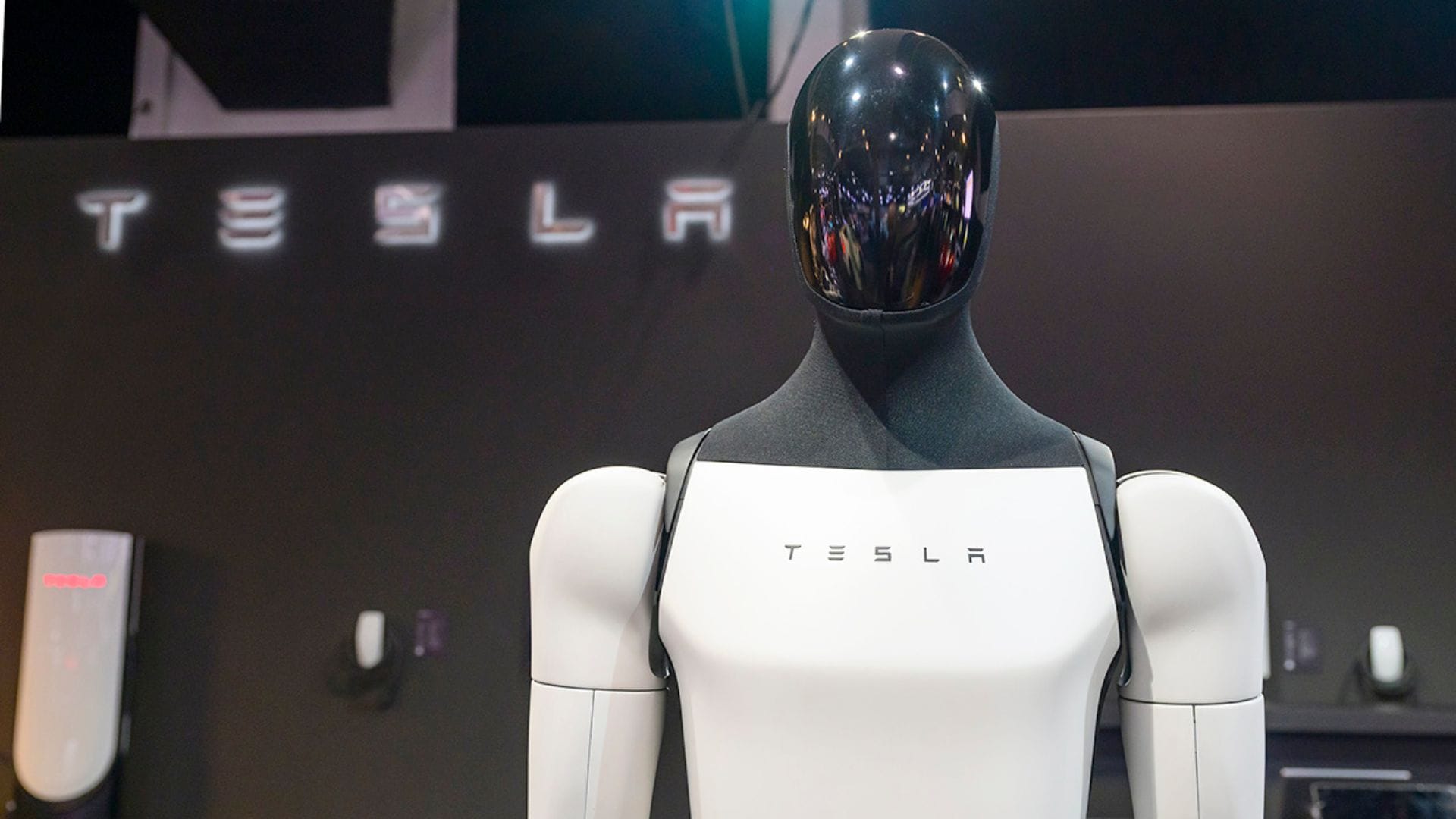
The production lines currently used for the Model S and Model X at Tesla’s Fremont factory in California will be repurposed to manufacture Optimus, the company’s humanoid robot. The move marks a significant change in direction for Tesla, which has traditionally presented itself as an electric vehicle manufacturer, even as Musk has increasingly emphasised artificial intelligence and robotics as the company’s long-term priorities.
A gradual decline for Tesla’s flagship models
The Model S holds a special place in Tesla’s history, having entered production in 2012 as the company’s second vehicle after the original Roadster. The Model X followed in 2015, introducing Tesla’s first SUV and distinctive Falcon-wing doors. For several years, both models were central to Tesla’s brand image and technological leadership in the electric vehicle market.
However, their importance has steadily diminished as Tesla expanded its lineup. The lower-priced Model 3 and Model Y have become the company’s dominant products, appealing to a broader audience and delivering far higher sales volumes. In 2025, Tesla delivered 1,585,279 Model 3 and Model Y vehicles worldwide, compared with just 418,227 units of the Model S and Model X combined. Those figures underline how newer offerings have eclipsed the older models.
External pressures have also contributed to the decline. Tesla stopped selling the Model S and Model X in China in mid-2025 because the vehicles were imported from the United States and became subject to Chinese tariffs. Those tariffs were introduced in response to trade measures imposed by US President Donald Trump on imported goods, making the cars less competitive in one of Tesla’s most important markets.
Optimus and Tesla’s ambitions beyond cars
Musk used the earnings call to outline ambitious plans for the Optimus humanoid robot, which he has repeatedly described as central to Tesla’s future. He said the company aims eventually to manufacture up to 1 million Optimus robots using the space freed up by the end of Model S and X production. The scale of that ambition reflects Musk’s belief that robotics could far outstrip vehicle sales in the long term.
At the World Economic Forum in Davos, Switzerland, held a few days before the earnings call, Musk said Tesla plans to begin selling Optimus to the public by the end of next year. He has previously claimed that Optimus could become the “biggest product of all time”, saying it would be bigger than mobile phones and “bigger than anything”. Such statements have attracted widespread attention, but also scepticism.
Demonstrations of Optimus to date have not fully matched the scale of Musk’s claims, and critics have pointed to the company’s history of missing self-imposed deadlines. Musk is known for setting aggressive timelines that are later revised, particularly in areas related to autonomy and artificial intelligence. As a result, while the shift from cars to robots signals a bold strategic move, it also carries significant execution risk.
Financial disclosures and shareholder tensions
Tesla’s earnings report also revealed a US$2 billion investment in xAI, another company founded by Musk. The disclosure has renewed scrutiny of Musk’s overlapping business interests and their impact on Tesla. In 2024, Tesla shareholders filed a lawsuit against Musk over the creation of xAI, arguing that it represented direct competition with Tesla’s own artificial intelligence efforts.
Musk has long maintained that Tesla should be viewed as an AI company rather than solely an electric vehicle manufacturer, pointing to its work on autonomous driving, robotics and data-driven software. The investment in xAI appears to align with that vision, but it has raised questions about governance and the allocation of Tesla’s resources.
Despite these concerns, shareholders approved Musk’s pay package in late 2025, a deal valued at up to US$1 trillion if performance targets are met. Approval was granted on the condition that Tesla reaches a market valuation of US$8.5 trillion, a level far above its current worth. The decision highlights the continued confidence many investors place in Musk’s leadership, even as Tesla embarks on a risky transition away from some of its most recognisable vehicles.