

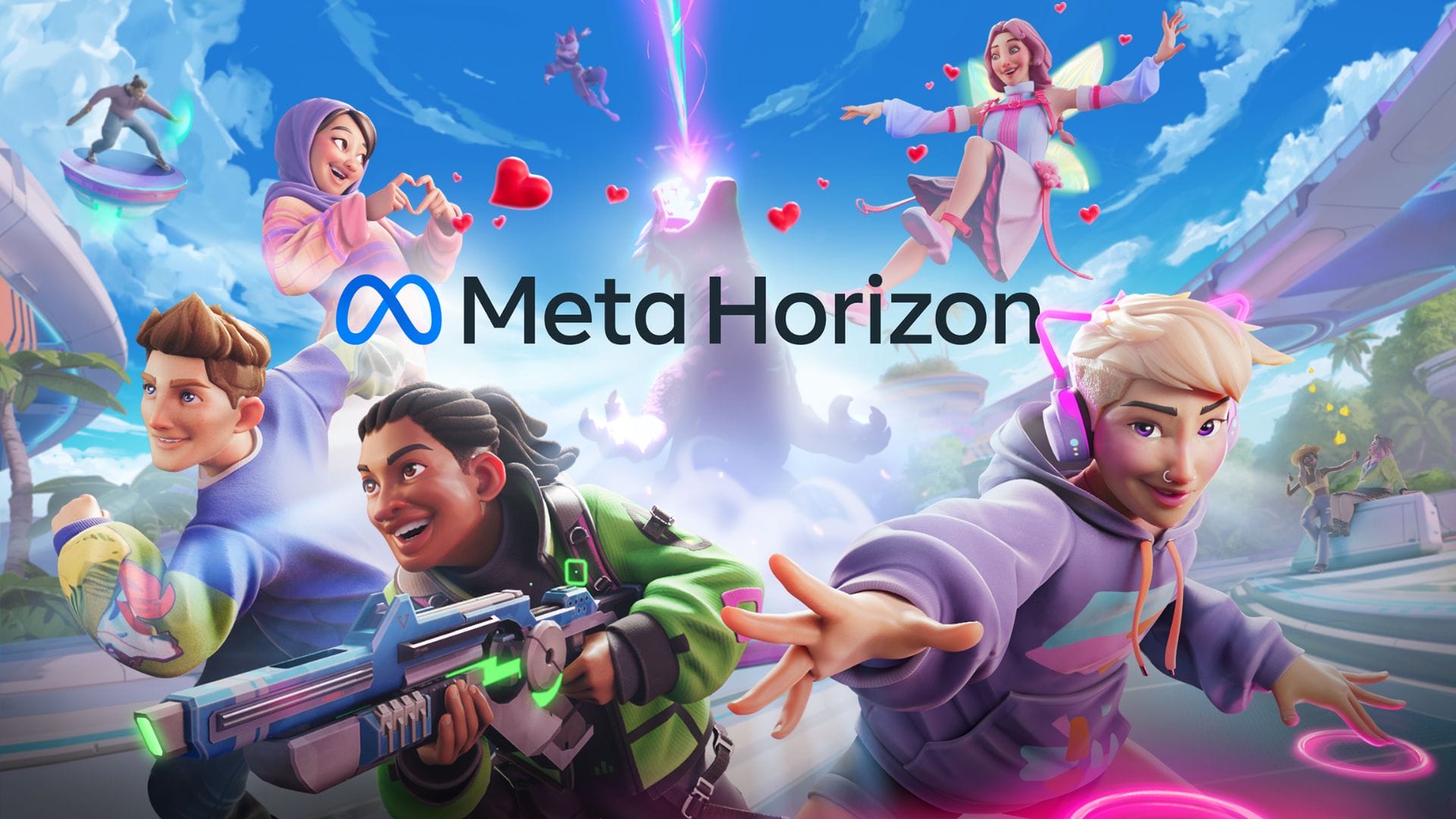
Meta has confirmed that it will discontinue virtual reality access to Horizon Worlds, marking a significant shift in its metaverse strategy. The company announced that the VR version of the platform will no longer be available after 15 June 2026, as it focuses entirely on mobile access via smartphones.
The decision follows earlier indications shared in February, when Meta outlined plans to separate Horizon Worlds from its Quest VR platform. The company has now provided a clearer timeline for the shutdown, signalling the end of its initial vision for a VR-first metaverse experience.
Gradual withdrawal from the VR platform
Meta stated that changes will begin to take effect from 31 March 2026. From that date, individual Horizon Worlds and related events will no longer appear in the Quest Store, limiting discoverability for users browsing through VR headsets. In addition, several well-known virtual spaces will become inaccessible, including Horizon Central, Events Arena, Kaiju and Bobber Bay.
The company confirmed that, after 15 June, the Horizon Worlds application will be removed from Quest headsets entirely. At that point, users will no longer be able to access any of the platform’s virtual environments through VR devices. This effectively brings an end to Horizon Worlds as a VR-based social experience.
Meta indicated that users who wish to continue using Horizon Worlds will need to switch to the mobile version of the app, available on both iOS and Android. The firm described the mobile platform as the “easiest place” to access Horizon Worlds going forward, highlighting a clear shift in its accessibility strategy.
This move reflects a broader change in priorities, as Meta seeks to streamline its platforms and focus on areas with stronger user engagement. While Horizon Worlds was initially promoted as a flagship VR experience, its transition to mobile suggests a recalibration of expectations around how users prefer to interact with virtual environments.
Features removed alongside VR shutdown
Alongside the removal of VR access, Meta will also discontinue several Horizon Worlds features. Among them is Hyperscape Capture, a beta tool that lets users create detailed 3D scans of real-world locations and share them on the platform.
The company explained that while users will still be able to capture and view Hyperscapes individually, social features tied to the tool will be withdrawn. “Sharing, inviting, and co-experiencing Hyperscapes with others will no longer be supported,” Meta said in its community forum update.
The removal of these collaborative features further underlines the shift away from immersive, shared VR experiences. Hyperscape Capture had been positioned as a way to blend physical and virtual environments, offering a more interactive and social dimension to Horizon Worlds.
Users who have invested time in building or exploring these environments may find the transition challenging, particularly as some content will no longer be accessible once the VR version is discontinued. Meta has not indicated any plans to preserve or migrate VR-specific worlds to the mobile platform in their existing form.
The phased withdrawal suggests that Meta is prioritising a cleaner break rather than maintaining partial compatibility between VR and mobile experiences. This approach may simplify development but risks alienating users who were drawn to the platform’s immersive capabilities.
Strategic shift towards mobile and emerging technologies
Meta’s decision to abandon VR support for Horizon Worlds comes despite its longstanding positioning as a metaverse-focused company. The move appears to contradict earlier ambitions centred on building expansive, immersive virtual worlds accessible through VR headsets.
However, the company pointed to “positive momentum” in 2025 as a key factor behind its decision. According to Meta, increased engagement on the mobile version of Horizon Worlds demonstrated stronger potential compared with its VR counterpart, prompting a strategic pivot for 2026.
This shift aligns with broader trends within the company, which has increasingly invested in artificial intelligence and smart glasses. These areas are seen as offering more immediate returns and wider consumer appeal than VR-based social platforms, which have faced challenges in achieving mainstream adoption.
While VR remains part of Meta’s wider ecosystem, the scaling back of Horizon Worlds suggests a more cautious approach to metaverse development. The company appears to be concentrating its resources on technologies that can reach a broader audience without specialised hardware.
The closure of VR access to Horizon Worlds marks the end of an early chapter in Meta’s metaverse ambitions. It reflects both evolving user behaviour and the company’s ongoing reassessment of where its future growth lies.