


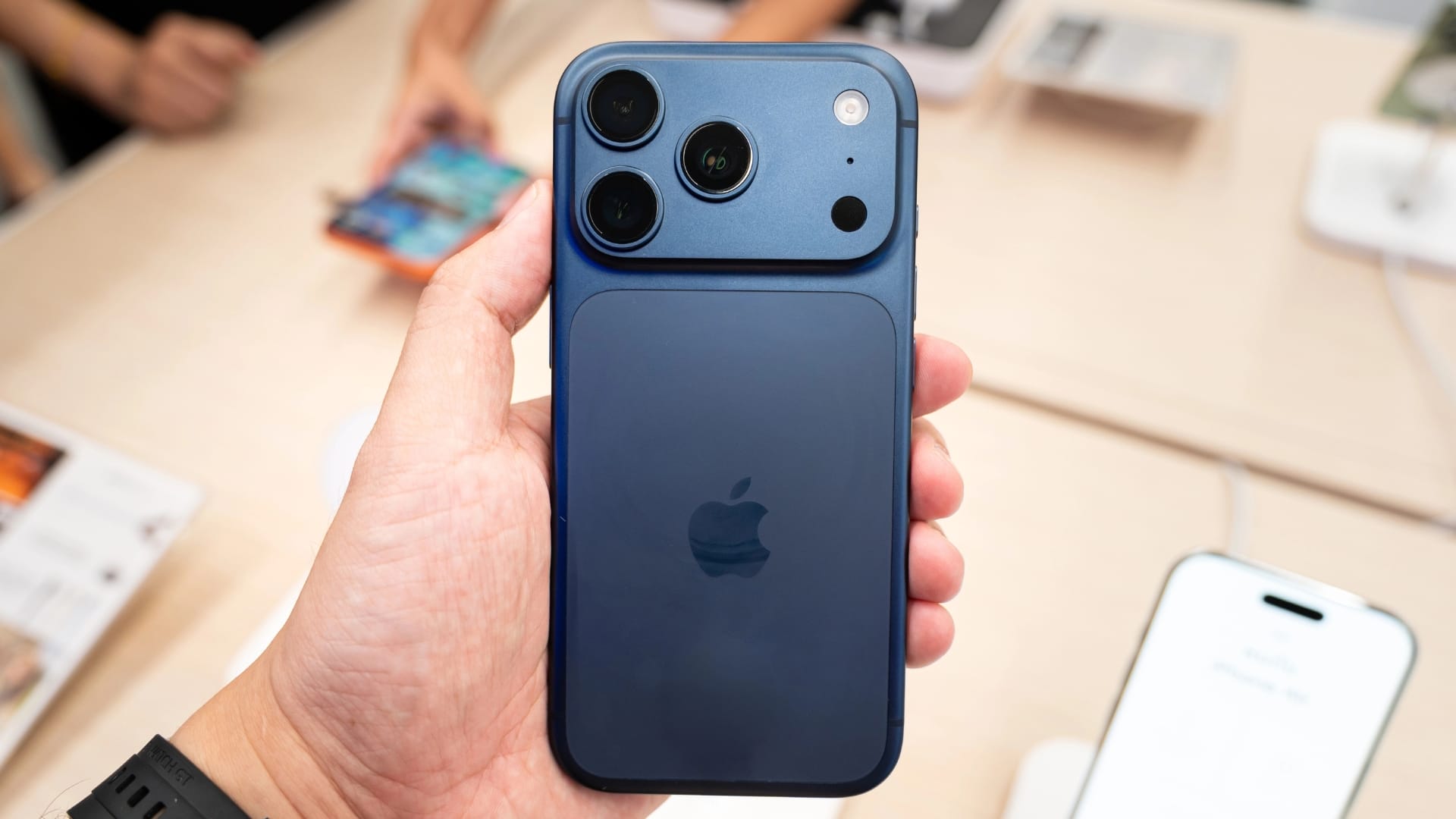
The best smartphones in 2026 sit at a point where the flagship market is being reshaped by AI integration, battery materials, and connectivity standards rather than incremental hardware upgrades. Chipsets such as the latest Snapdragon and Apple silicon now prioritise dedicated neural processing, enabling real-time translation, visual recognition, and AI features to run directly on the device. These capabilities are moving from novelty to baseline expectations, particularly in environments where responsiveness and data control matter.
Battery and thermal design have also become defining factors. Silicon-carbon batteries are pushing capacities beyond 6,000 mAh without increasing thickness, while more advanced cooling systems are being introduced to sustain performance during AI workloads, gaming, and content creation. At the same time, displays are reaching higher brightness thresholds and introducing privacy features, and connectivity is shifting towards Wi-Fi 7 and 5G-Advanced to support multi-gigabit use cases.
Taken together, these developments are changing how flagship phones are evaluated. Devices are now judged on how consistently they perform under real-world conditions, how effectively AI features are integrated into daily workflows, and how well they align with longer upgrade cycles driven by extended software support.
This list focuses on flagship devices that combine market influence with practical value. Selection prioritises devices that shape expectations in AI, imaging, battery technology, and connectivity.
Samsung Galaxy S26 Ultra
The Samsung Galaxy S26 Ultra combines high-end hardware with practical productivity features, giving it a clearer role than a standard premium flagship. Its integrated S Pen, long-term software support, and privacy-focused display make it especially relevant for users handling notes, documents, and sensitive information while travelling or working across different locations. The camera system and durable build also add to its appeal as an all-round flagship rather than a narrowly specialised device.
It works well for users who need a single device for communication, note-taking, creative tasks, and day-to-day productivity. Its main drawbacks are the price and charging. Its entry price sits at the higher end of the market, and charging speeds are slower than those of several Chinese rivals that now offer much faster charging.
Key features and benefits
- Snapdragon 8 Elite Gen 5: 3nm chipset supports local AI processing and sustained multitasking without significant throttling.
- Flex Magic Pixel display: Side-angle privacy technology prevents visual leakage of on-screen content in public settings.
- Integrated S Pen: Built-in stylus enables precise note-taking, annotation, and document editing without additional accessories.
- Quad-camera system: A 200MP main camera works with a 50MP 5x periscope telephoto lens to improve zoom clarity and low-light capture.
- Seven-year OS support: Extended update cycle improves device longevity and reduces replacement frequency.
Apple iPhone 17 Pro Max
The Apple iPhone 17 Pro Max builds on ecosystem integration and computational imaging, with Apple continuing to tie hardware, software, and AI features closely together. Its A19 Pro chip and dedicated neural accelerators handle tasks such as image processing, writing assistance, and visual analysis directly on the device, improving responsiveness and keeping more of the workflow within Apple’s own environment.
It is best suited to users already operating within Apple’s ecosystem, especially those working across the iPhone, Mac, and iPad for content creation and daily productivity. That integration remains one of its strongest advantages, although flexibility can still feel more limited when working across non-Apple platforms.
Key features and benefits
- A19 Pro chipset: Dedicated neural accelerators support real-time AI tasks such as image clean-up and writing assistance.
- Triple 48MP camera system: Main, ultra-wide, and telephoto lenses combine through computational processing for consistent imaging across focal lengths.
- Apple Intelligence tools: System-wide features automate document editing, summarisation, and content refinement.
- Super Retina XDR display: 3,000 nits of peak brightness improve visibility in strong sunlight.
- Extended battery life: Up to 39 hours of video playback supports full-day usage across work and media tasks.
Google Pixel 10 Pro XL
The Google Pixel 10 Pro XL centres on software and AI integration, with Google using the device to push its AI-first approach more deeply into everyday smartphone use. Its Tensor G5 chip and Gemini Nano capabilities enable more tasks to run directly on the device, including offline and multimodal AI features, reducing reliance on cloud connectivity and improving responsiveness when network access is limited. That gives the phone a clearer identity in a flagship segment where hardware differences are narrowing.
It is positioned for developers and users who prioritise timely updates, long-term software support, and a cleaner Android experience. Google’s control over both hardware and software also helps it deliver new features and security updates earlier than most Android rivals. Charging speed remains modest compared with some Chinese flagships, but its software longevity and AI capabilities remain strong differentiators.
Key features and benefits
- Tensor G5 processor: Custom silicon improves efficiency for AI workloads and background processing.
- Gemini Nano integration: On-device AI supports translation, summarisation, and contextual assistance without network dependence.
- Super Actua display: 3,300 nits brightness ensures readability in high-glare outdoor conditions.
- Seven-year update policy: Long-term OS and security updates improve reliability for extended use.
- Satellite SOS support: Emergency connectivity ensures communication in areas without network coverage.
Xiaomi 17 Ultra
The Xiaomi 17 Ultra puts imaging at the centre of its flagship pitch, and the Leica partnership remains a major part of that story. Its camera system pairs a 1-inch main sensor with a Leica 200MP 75–100mm telephoto and Leica-branded optics, giving Xiaomi a stronger case in the premium segment where camera identity matters as much as outright specifications. That makes it one of the more camera-led Android flagships in the 2026 cycle.
It suits users who care about mobile photography, zoom flexibility, and long battery life in a device that can also handle demanding workloads. The trade-off is physical balance. At 218.4g with a large camera module, it is less comfortable to use one-handed than smaller flagships, even if the battery and optical hardware justify the size.
Key features and benefits
- Snapdragon 8 Elite Gen 5: Flagship chipset provides the headroom required for AI processing, 8K video capture, and sustained multitasking.
- Leica camera system: Leica APO optics and colour tuning define the imaging output, with a 200MP 75–100mm telephoto delivering high-detail zoom without heavy reliance on digital cropping.
- Triple-camera setup: A 1-inch main sensor works alongside an ultra-wide and a periscope telephoto lens to cover standard, wide, and long-range shooting scenarios.
- 6,000 mAh silicon-carbon battery: High-density battery design supports extended usage while maintaining a relatively slim chassis.
- HyperOS 3.0: System-level AI features, such as automated note-taking and writing tools, support productivity use cases beyond photography.
HONOR Magic8 Pro
The HONOR Magic8 Pro delivers flagship-level specifications with a focus on value, combining an ultra-bright display with a large battery to handle outdoor visibility and extended daily use more effectively. Its positioning leans towards practical performance, where brightness, endurance, and charging speed matter more than niche features.
It suits users who want strong performance and reliability without paying a premium. The device handles multitasking and AI-driven features well, particularly for everyday productivity, though the MagicOS software layer adds more features at the cost of a heavier interface than stock Android alternatives.
Key features and benefits
- Snapdragon 8 Elite Gen 5: Flagship chipset supports smooth multitasking, on-device AI features, and sustained daily performance.
- Ultra-bright display: 6,000 nits peak brightness ensures readability under intense sunlight.
- Fast-charging system: 100W wired and 80W wireless charging reduce downtime.
- Periscope telephoto camera: 200MP sensor improves long-range clarity and detail.
- 7,100 mAh battery: Large capacity supports extended multitasking and media usage.
Sony Xperia 1 VII
The Sony Xperia 1 VII is built for users who want more direct control over shooting, monitoring, and playback than most AI-led flagships provide. It combines Xperia Intelligence with creator-focused hardware, including AI Camerawork and Auto Framing, while retaining features such as a continuous optical telephoto lens and Walkman-derived audio hardware. That gives it a clearer place in a flagship market where many devices are starting to sound similar in terms of AI.
It is best suited to videographers, photographers, and audiophiles who value manual controls, legacy ports, and a more specialised media toolkit. The trade-offs are also more visible here than on mainstream flagships, particularly because Sony prioritises creator-focused features and battery efficiency over broader mass-market appeal.
Key features and benefits
- Snapdragon 8 Elite processor: Sony’s 3nm flagship chipset improves NPU and GPU performance for real-time AI image processing and sustained daily performance.
- 48MP ultra-wide sensor: A larger 1/1.56-inch sensor improves low-light capture and provides greater imaging flexibility beyond the main lens.
- 85-170mm optical telephoto lens: Continuous zoom provides more natural framing options without relying heavily on digital cropping.
- Walkman DNA audio integration: 3.5mm headphone jack and DSEE Ultimate AI upscaling strengthen its appeal for wired audio and music playback.
- 5,000 mAh battery: Sony pairs the battery with processing optimisation to target up to 2 days of usage under lighter workloads.
Huawei Mate 80 Pro
The Huawei Mate 80 Pro focuses on connectivity and sustained performance, with its strongest differentiation coming from network reliability and thermal management rather than mainstream ecosystem appeal. Features such as 5G-Advanced support, satellite communication, and the active cooling system are aimed at users who value stable performance under demanding conditions, especially when the device is used heavily for communication, navigation, or high-load tasks over extended periods.
It is suited for users operating in environments where signal strength, network resilience, and consistent performance matter more than app ecosystem flexibility. That makes it more relevant in certain Asian markets and in infrastructure-heavy use cases, though the absence of Google Mobile Services still limits users who depend on Google-based productivity, collaboration, and app workflows.
Key features and benefits
- Kirin 9030 Pro processor: Huawei’s 3nm-class chipset delivers a 21% peak performance uplift over the previous generation and is tuned for local AI multitasking.
- XMAGE camera system: The 50MP main camera uses a 10-stop physical variable aperture from f/1.4 to f/4.0, giving the phone greater control over depth of field and light intake.
- 6.75-inch X-True LTPO display: Peak brightness reaches 3,000 nits, while 1,440Hz PWM dimming helps with outdoor visibility and eye comfort.
- BDS satellite calling and messaging: The Mate 80 Pro supports two-way satellite voice calls and messaging via Beidou-3, offering connectivity beyond emergency-only use.
- 5,750 mAh dual-cell battery: Paired with 100W wired and 80W wireless charging, it can reach 50% charge in around 14 minutes.
vivo X300 Pro
The vivo X300 Pro is built around imaging, but it does not rely on branding alone to make that case. Alongside the MediaTek Dimensity 9500, vivo adds its V3+ and Vs1 imaging chips to handle more of the photo and video pipeline in dedicated hardware, while the Zeiss camera system gives the device a clearer photographic identity within the flagship segment. That combination makes it feel more purpose-built than many premium phones that offer strong cameras but less obvious imaging differentiation.
It is best suited to users who care about portrait photography, zoom flexibility, and consistent image quality without giving up flagship-level performance. The phone also holds up well as a daily driver, especially for users who want a camera-first device that still feels fast and efficient in regular use. Its main limitation is reach rather than capability, as regional availability may make it less accessible than more widely distributed flagships from Samsung or Apple.
Key features and benefits
- MediaTek Dimensity 9500: 3nm flagship chipset supports demanding multitasking, AI features, and sustained daily performance.
- Zeiss camera system: A 50MP Sony LYT-828 main camera, a 50MP ultra-wide, a 200MP periscope telephoto with 3.7x optical zoom, and a 50MP front camera give the phone a stronger case for portrait work, long-range photography, and creator use.
- V3+ and Vs1 imaging chips: Dedicated imaging silicon handles photo and video post-processing at the hardware level.
- Zeiss teleconverter compatibility: An optional 2.35x teleconverter adds a distinct hardware advantage for long-range photography.
OPPO Find X9 Pro
The OPPO Find X9 Pro combines flagship performance with a strong imaging setup, rather than leaning on battery size alone. Its use of the MediaTek Dimensity 9500 gives it a clearer performance anchor, while the Hasselblad-branded camera system, led by a 200MP periscope telephoto, strengthens its position in the premium photography segment. That makes it more rounded than an endurance-led flagship, especially for users who care about both imaging and day-to-day responsiveness.
It suits users who want a high-end Android phone that balances performance, camera flexibility, and battery capacity without moving into a more specialised niche such as gaming or stylus productivity. The large battery and software tuning support long working days, while the trade-offs include its limited presence outside Asia and the absence of accessories, such as a stylus, for more document-heavy workflows.
Key features and benefits
- MediaTek Dimensity 9500: Flagship 3nm chipset delivers efficient performance for multitasking, AI tools, and sustained imaging workloads.
- Hasselblad camera system: A 50MP main camera, 50MP ultra-wide, a 200MP periscope telephoto with 3x optical zoom, and a 50MP front camera give the phone strong flexibility for everyday shooting, portraits, long-range zoom, and video calls.
- High durability ratings: IP66, IP68, and IP69 certifications ensure the device withstands dust, immersion, and high-pressure water exposure.
- Trinity Engine optimisation: System-level tuning improves app launch speed, reduces latency, and maintains smoother performance over time.
- 7,500 mAh battery: Large battery capacity supports extended 5G and AI usage without frequent charging.
How to choose in this category
Choosing among the best smartphones in 2026 depends less on raw specifications and more on how each device fits into a broader workflow. On-device AI, battery endurance, and sustained performance have become defining factors, especially for users who rely on their devices for work rather than casual use. Devices that integrate these capabilities effectively tend to deliver more consistent value over time.
Regional considerations also matter. Availability, ecosystem compatibility, and network optimisation vary across Asia-Pacific markets, which can influence both performance and usability. Buyers should assess how well a device aligns with their daily usage patterns, whether that is content creation, enterprise productivity, or connectivity in demanding environments, rather than relying solely on headline specifications.