


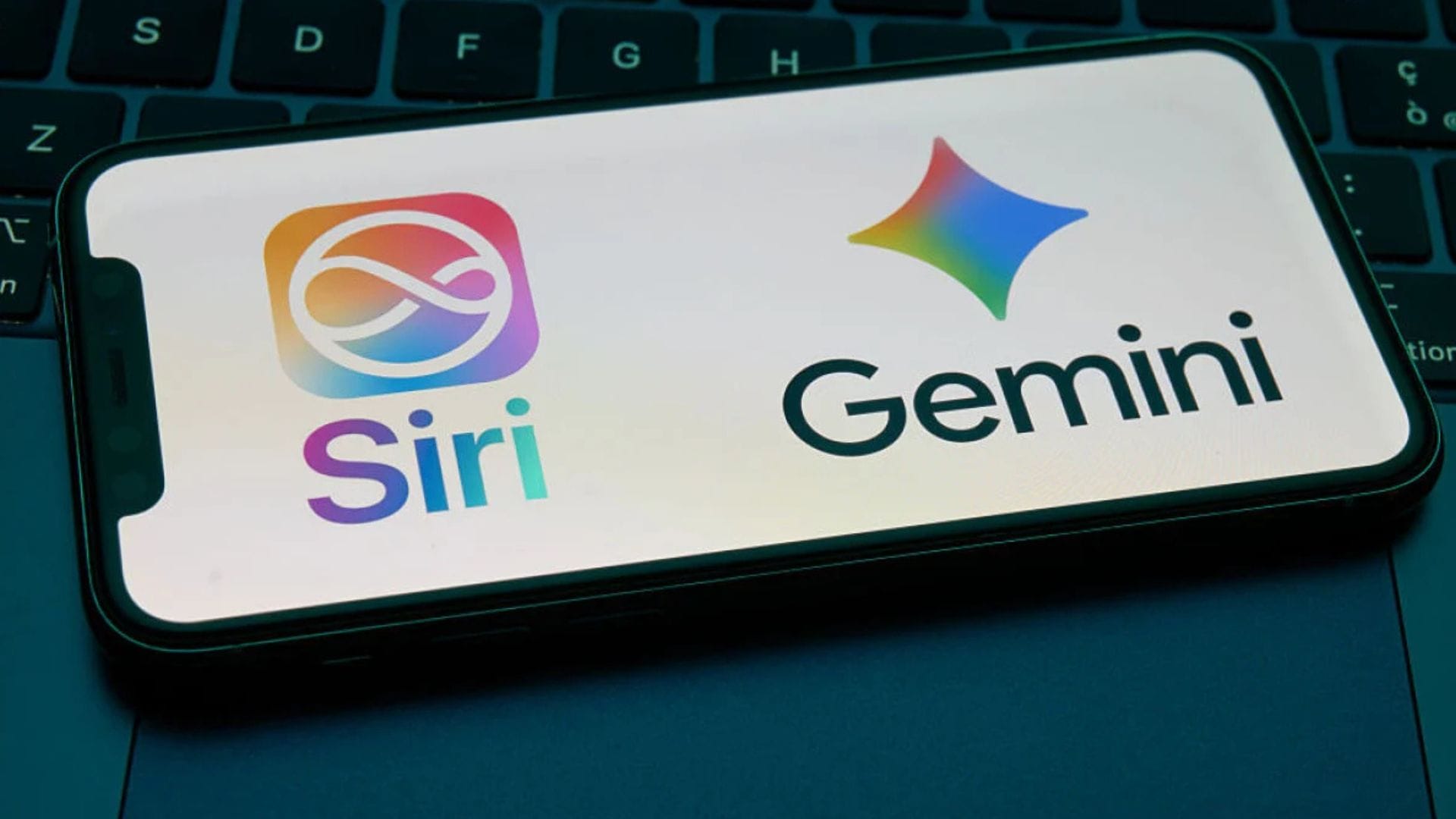
Apple is expected to place privacy at the centre of its artificial intelligence strategy as it prepares to unveil a redesigned version of Siri at its Worldwide Developers Conference on 8 June. The company is facing growing pressure to prove it can compete with rivals such as OpenAI and Google, both of which have moved quickly to integrate advanced AI tools into their products.
According to Bloomberg journalist Mark Gurman, Apple plans to position Siri as a more private alternative to competing AI assistants. Rather than focusing solely on creating the most powerful AI system, the company is expected to highlight the way it handles personal information and user data.
Apple has long promoted privacy as one of its key selling points, and the company now appears ready to apply that same approach to generative AI. The strategy could allow Apple to claim that its AI services offer a “fundamentally different” experience from products such as ChatGPT and Gemini, which rely heavily on large-scale data collection and cloud processing.
Apple focuses on privacy features for Siri
One of the most significant changes reportedly being prepared for Siri is the introduction of disappearing conversations. Gurman reported that the redesigned Siri app may automatically delete user prompts after a selected period, helping reduce the amount of personal information stored on Apple’s systems.
Users are expected to have several options for retaining conversations, including deleting them after 30 days, after one year, or keeping them permanently. If users choose one of the automatic deletion settings, Siri would erase the conversations without requiring any manual action.
The move could help address concerns about how AI companies collect and store personal information. As AI systems become more integrated into daily life, technology firms are facing increased scrutiny over how user data is used, particularly in the training of AI models.
Apple is also reportedly planning to introduce stricter controls over Siri’s memory functions. Gurman wrote that Apple intends to “place tighter limits around how [Siri’s] memory works,” including controls on what information can be stored and for how long.
The company reportedly believes privacy protections should be built into the system rather than treated as optional features. This would distinguish Apple’s approach from some competitors, including Meta and OpenAI products, where memory and data settings are often managed separately by users.
Siri revamp may still be unfinished
Alongside the new privacy measures, Apple is also expected to reveal a broader overhaul of Siri during WWDC. Several AI-powered Siri features first announced in 2024 are expected to arrive with iOS 27, though reports suggest the rollout may still face delays and limitations.
Gurman stated that Apple may present parts of the updated Siri as beta software when they are introduced. According to the report, test versions of iOS 27 currently include beta labels on Siri features, raising the possibility that the unfinished status could persist when the software is officially announced.
If that happens, users may see Apple openly acknowledge that some AI capabilities are still under development. Gurman said this would indicate that the new Siri features are “unfinished”, despite the company having spent years working on the upgrade.
The situation highlights the difficulties Apple has faced in keeping pace with the rapid development of AI technologies. While competitors have launched increasingly sophisticated AI assistants and chatbot systems, Apple has been criticised for moving more slowly and for offering fewer visible breakthroughs in the field.
The company has traditionally preferred to release products only when they meet its internal standards for reliability and usability. However, the pace of the AI market has created pressure to release faster, even if some features are not fully complete.
WWDC could shape Apple’s AI future
This year’s WWDC is widely seen as one of Apple’s most important developer events in recent years. Investors, developers and consumers are all looking for signs that the company can remain competitive as AI becomes a major focus across the technology industry.
The redesigned Siri is expected to play a central role in that effort. Apple appears determined to show that it can offer AI features that are useful without compromising user privacy. By emphasising security and tighter control over personal information, the company may hope to appeal to users who remain cautious about how AI systems collect data.
At the same time, Apple faces the challenge of proving that its AI technology can match rivals’ capabilities. ChatGPT, Gemini, and other AI assistants have rapidly expanded their capabilities, adding more advanced reasoning, content generation, and personalisation features over the past year.
If Apple launches Siri with beta labels or unfinished features, it could risk reinforcing concerns that the company is falling behind in the AI race. Industry analysts are likely to closely examine whether Apple’s privacy-focused strategy can genuinely differentiate Siri or whether users will continue to prioritise performance and functionality over data protection.
WWDC on 8 June may therefore become a defining moment for Apple’s AI ambitions. The company must convince audiences not only that Siri can evolve into a modern AI assistant, but also that privacy remains a major advantage in an increasingly competitive market.