


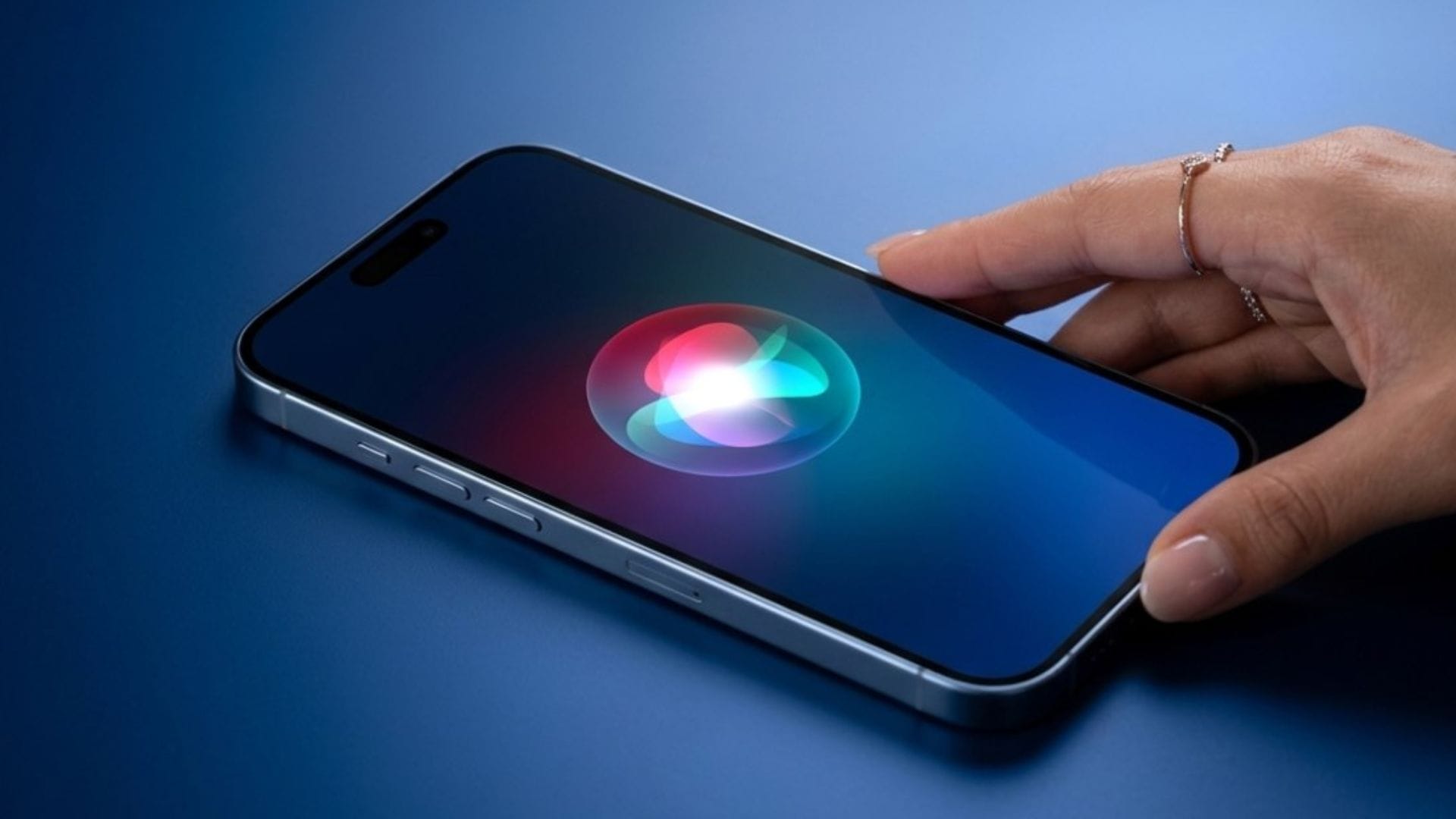
Apple is reportedly planning to introduce automatic chat deletion options to its redesigned Siri assistant as the company seeks to strengthen its position in the growing artificial intelligence market. According to a report by Bloomberg journalist Mark Gurman, the updated Siri app will include privacy-focused controls that let users decide how long their conversations are stored.
The reported feature would give users the ability to keep Siri chat records for 30 days, one year or indefinitely. Apple is also said to be developing a setting that lets users choose whether Siri continues conversations with previous context or starts each interaction as a new chat.
The changes are expected to form part of Apple’s broader push to modernise Siri as competition intensifies among AI chatbot providers. Companies such as OpenAI, Google and Microsoft have rapidly expanded their AI offerings in recent years, placing pressure on Apple to deliver a more capable digital assistant while maintaining its long-standing privacy principles.
Apple focuses on privacy in AI development
The reported chat-deletion feature highlights Apple’s continued emphasis on user privacy, an area where the company has consistently sought to distinguish itself from rivals. While many AI platforms collect and retain large amounts of user data to improve performance and personalise responses, Apple is believed to be taking a more cautious approach.
According to Gurman, Apple relies more on synthetic data than on real user conversations when training its AI systems. This approach may limit the amount of personal information available to improve Siri’s capabilities, but it also reduces concerns about sensitive user data being stored or accessed.
The company’s reported plans come at a time when privacy practices surrounding AI chatbots are under increasing scrutiny. Several AI firms have faced criticism after user chat records were reportedly requested or disclosed during criminal investigations and legal proceedings. These incidents have raised concerns about how long personal conversations are retained and who can gain access to them.
Apple’s approach appears designed to position privacy protections as a core feature rather than an optional tool. Some rival chatbot services already offer temporary or private conversation modes. OpenAI, for example, provides a Temporary Chat feature that lets users have conversations that aren’t saved to their history. However, Gurman reported that Apple believes such protections should be integrated into the overall user experience instead of requiring users to activate them manually.
New Siri expected to debut at WWDC2026
The revamped Siri assistant is expected to make its first major appearance at Apple’s Worldwide Developers Conference 2026 (WWDC2026). The annual developer event is scheduled to begin on 8 June and is widely anticipated to focus heavily on artificial intelligence features across Apple’s software ecosystem.
Apple has faced criticism in recent years for moving more slowly than competitors in the AI sector. While companies including Google and Microsoft have rapidly integrated generative AI into search engines, productivity software, and smartphones, Siri has often been viewed as lagging behind newer AI assistants in conversational ability and contextual understanding.
The company is now believed to be preparing a significant overhaul of Siri to make interactions more natural and useful. The reported ability to either continue previous conversations or start fresh chats suggests Apple is seeking to provide users with greater flexibility and control over how the assistant behaves.
At the same time, Apple appears determined to avoid compromising its reputation for protecting customer privacy. The balance between advanced AI functionality and responsible data handling has become a central challenge for the technology industry. AI systems generally improve when trained on large amounts of real-world user data. Still, growing concerns over surveillance, data breaches and legal exposure have increased pressure on companies to limit data collection practices.
Balancing AI performance with user trust
Industry analysts believe Apple may use privacy as a key selling point for its AI strategy, even if its technology is perceived as less advanced than competing systems. By limiting the retention of personal conversations and reducing reliance on real user data, Apple could appeal to customers who remain cautious about sharing sensitive information with AI tools.
The reported automatic deletion controls may also help users feel more comfortable using Siri for personal or confidential discussions. Allowing conversations to expire after a set period could reduce fears that old chat histories may later be accessed, exposed or used for purposes beyond the original interaction.
However, Apple’s privacy-first approach could also present technical limitations. Large language models typically benefit from analysing extensive amounts of conversational data to improve accuracy, context awareness, and response quality. Restricting access to user interactions may slow the pace of Siri’s development compared with rivals that gather broader datasets.
Despite these challenges, Apple’s strategy reflects a wider shift in the technology industry as companies attempt to reassure users about the safety of AI services. Concerns over data collection, transparency and digital privacy are increasingly influencing how consumers evaluate AI products.
While Apple has not officially confirmed the reported Siri features, expectations are growing ahead of WWDC2026, where the company is expected to reveal more details about its next generation of AI-powered software and services.