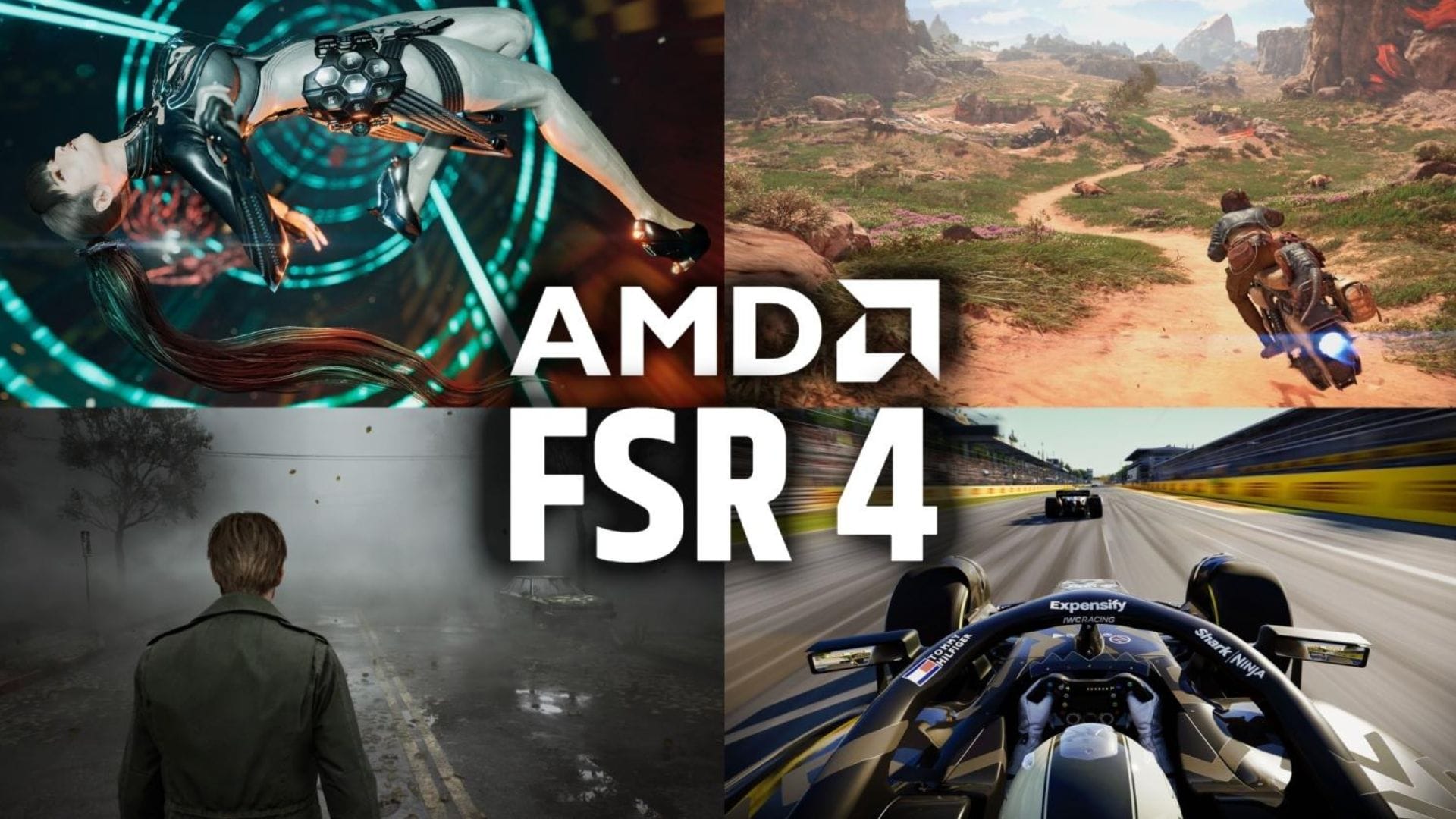
AMD has confirmed plans to bring its latest FidelityFX Super Resolution technology, FSR 4, to older Radeon graphics cards following criticism from gamers who were excluded from the initial launch. The company said support for additional hardware would roll out in stages, though some users may need to wait until 2027 to gain access.
FSR is AMD’s alternative to upscaling technologies such as Nvidia’s DLSS. The software improves gaming performance and image quality by using artificial intelligence and frame generation techniques. When FSR 4 launched, the technology was limited to AMD’s newest Radeon RX 9000-series graphics cards based on the RDNA 4 architecture, leaving owners of older Radeon products without access to the latest features.
The restriction frustrated many PC gamers, particularly those using Radeon RX 7000 and RX 6000 graphics cards, which remain widely used and are still considered powerful gaming hardware. Critics argued that AMD’s decision limited the value of existing products and pushed some users towards rival Nvidia hardware.
AMD executive Jack Huynh, the company’s senior vice president for computing and graphics, announced the expanded support plans in a public statement. “My team and I have been working hard to evolve AMD FSR 4 and bring it to more cards,” Huynh said. “This July, RDNA 3 players will experience FSR Upscaling 4.1, delivering sharper visuals and smoother gameplay than ever before.”
RDNA 3 graphics cards will receive support first
The first wave of expanded support will focus on RDNA 3 products, which include Radeon RX 7000-series desktop graphics cards and discrete laptop GPUs. AMD also appears to be extending compatibility to some integrated graphics hardware based on the same architecture, although the company did not specifically highlight those products in its announcement.
Integrated graphics solutions in AMD’s 7X0M and 8X0M series, along with Ryzen Z1 chips released in 2023, are technically covered under the RDNA 3 family. Devices using those chips, including handheld gaming systems such as the Asus ROG Ally range, already support FSR 3.1 and could therefore benefit from the upcoming FSR 4.1 upgrade.
AMD said FSR 4 would support more than 300 games by the time the update reaches RX 7000 users in July. The company has been steadily expanding compatibility with modern game releases as competition in graphics upscaling technology intensifies. NVIDIA continues to dominate the market with DLSS, while Intel has also introduced its XeSS technology in recent years.
FSR has remained attractive to many gamers because of its broad compatibility compared with rival systems. Unlike DLSS, which relies heavily on Nvidia’s dedicated AI hardware, AMD’s technology has traditionally worked across a wider range of graphics cards, including some competing products. That reputation was called into question when FSR 4 launched with support limited to the latest Radeon hardware.
RDNA 2 owners face a longer wait
AMD also confirmed that support for RDNA 2 graphics cards is planned, although users of those products will need to wait considerably longer. According to Huynh, FSR upscaling support for RDNA 2 hardware is expected to arrive in early 2027.
“And for our RDNA 2 players, we have something exciting coming in early 2027. FSR Upscaling will be coming to your cards as well,” Huynh said.
The RDNA 2 architecture powers Radeon RX 6000-series graphics cards and integrated graphics solutions in AMD’s 6X0M series. It is also notable for powering the custom processor inside Valve’s Steam Deck handheld gaming system. One of the earliest consumer products based on RDNA 2 was the Radeon RX 6800 XT, which launched in November 2020.
The long timeline may disappoint some users who had hoped for immediate compatibility. Many gamers criticised AMD after FSR 4’s debut because older Radeon hardware was still technically capable of running the technology. Some users reported selling their AMD graphics cards and switching to Nvidia products following the announcement.
The criticism intensified after leaked source code reportedly showed that FSR 4 could run on Radeon RX 7000 graphics cards and even older Nvidia GPUs. However, AMD has not commented directly on the leak, and the discovery has fuelled debate over whether the company has artificially restricted support for newer hardware.
Competition in upscaling technology continues to grow
The wider rollout of FSR 4 reflects the increasing importance of upscaling and frame generation technologies in modern gaming. As game graphics become more demanding, software solutions that improve performance without sacrificing image quality are becoming a major selling point for graphics card manufacturers.
AMD’s decision to expand compatibility may help repair relations with users who felt excluded by the original launch strategy. The company has faced pressure from enthusiasts who expect software features to remain available across several hardware generations, particularly as the cost of high-end graphics cards continues to rise.
At the same time, the delay in RDNA 2 support suggests there may still be technical or performance limitations preventing AMD from enabling it sooner. Older graphics architectures may struggle to deliver the same level of frame generation performance as newer designs optimised for AI-assisted rendering tasks.
Despite the criticism, AMD’s FSR technology continues to gain adoption among game developers. The company said players will have access to FSR 4 in hundreds of supported games later this year, and enthusiasts have also found ways to enable the technology in unsupported titles through unofficial tweaks and modifications.