

Google has confirmed that its upcoming Googlebook laptops will use processors from several chipmakers, including Intel, Qualcomm and MediaTek, in a move that could give manufacturers more flexibility when designing devices for different users.
The announcement followed Google’s recent Android Show event, where the company introduced a range of new software features and artificial intelligence tools. During an interview with Chrome Unboxed, Google Vice President John Maletis shared new details about the Googlebook platform and its future hardware plans.
The decision to support several processor providers is being viewed as an important step for the platform. By avoiding reliance on a single chip supplier, Google may be able to reduce supply risks while enabling laptop makers to create devices for different market segments.
Google aims for flexibility with multiple chipmakers
Maletis said Google is working closely with Intel, Qualcomm and MediaTek on the development of the new laptops. The move means Google Book devices will no longer depend entirely on a single processor manufacturer.
Industry observers have long argued that relying on a single chip provider can limit a platform’s growth and long-term stability. The wider technology industry has already seen companies change direction when processor suppliers failed to keep pace with product demand.
Apple, for example, eventually moved away from Intel processors in favour of its own Apple Silicon chips after years of performance and efficiency concerns. Google appears keen to avoid similar limitations by supporting a broader hardware ecosystem from the beginning.
The use of different chipsets could also benefit consumers directly. Intel processors are generally associated with strong performance, while Qualcomm chips are often recognised for power efficiency and battery life. MediaTek, meanwhile, has become known for delivering affordable hardware solutions across several product categories.
This approach gives manufacturers such as Lenovo, Acer, Asus, HP and Dell greater flexibility when developing products for students, business users and general consumers.
Maletis also stressed that Google intends to maintain a consistent experience across all Googlebook devices. He said the company is enforcing strict hardware standards covering memory, storage, and keyboard layouts, alongside processor requirements.
The aim is to ensure users receive a premium, reliable experience regardless of which brand or processor powers the laptop they purchase.
Android-based software features begin to emerge
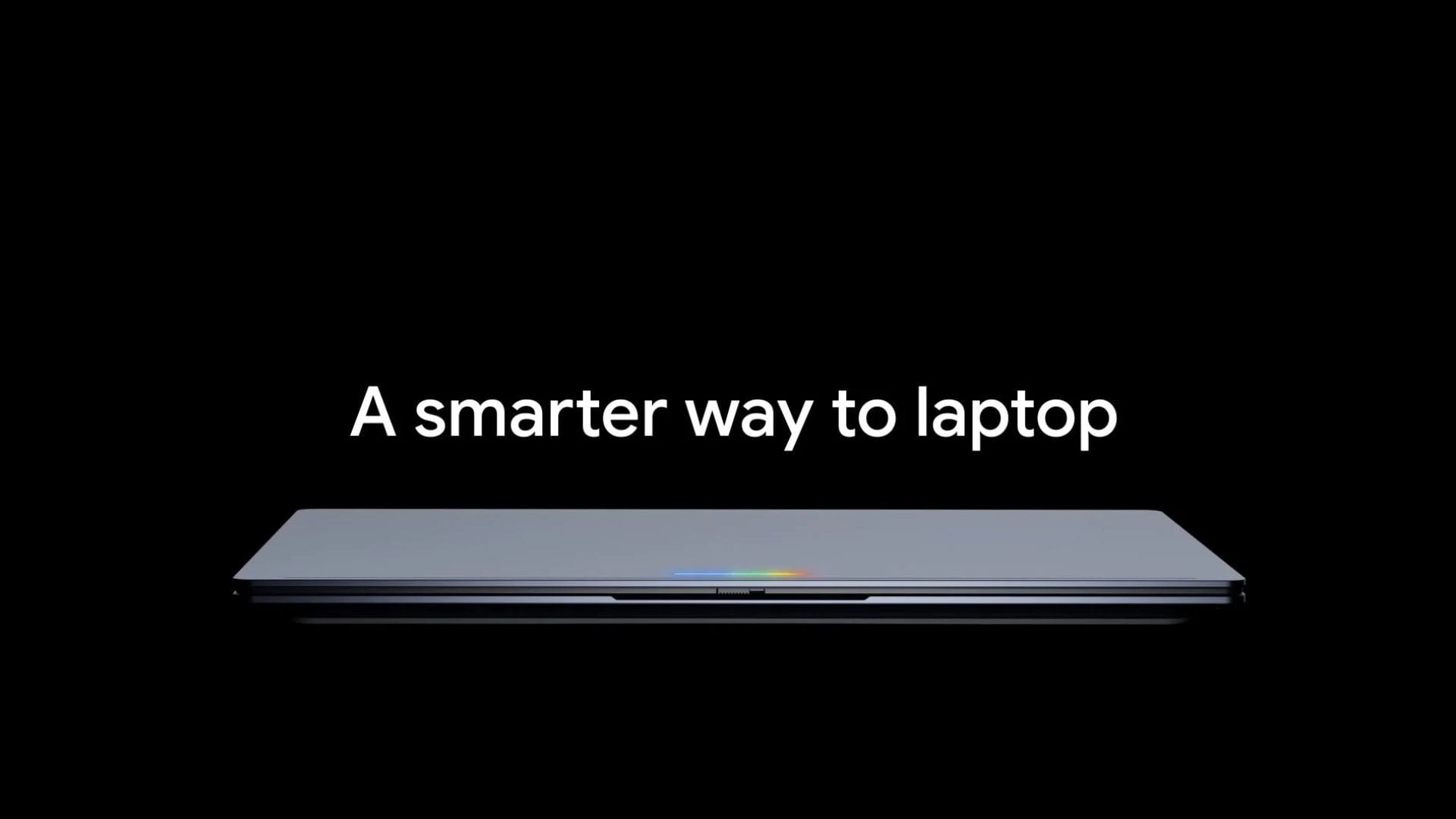
Although Google has yet to reveal the physical design of any Googlebook devices, several software features have already been confirmed.
One of the most notable additions is Magic Pointer, a feature developed with Google DeepMind that integrates Gemini artificial intelligence tools directly into the cursor experience. The system is designed to provide contextual suggestions and assistance while users navigate applications and websites.
Google is also expected to use Aluminium OS, an operating system reportedly built on Android technologies. If confirmed, this would allow Android applications to run natively on Googlebook laptops without requiring additional software layers or compatibility tools.
Closer integration between Android and laptop hardware could help Google strengthen its broader ecosystem strategy. The company has increasingly focused on linking smartphones, tablets, and computers through shared services and artificial intelligence.
Another feature highlighted by Google is Create your Widget, a tool that lets users build personalised dashboards using information from Gmail, Google Calendar, and web-based sources.
Instead of manually configuring widgets, users will reportedly be able to describe the information they want displayed, with the system automatically generating a customised layout.
These software additions suggest Googlebook devices may focus heavily on productivity, personalisation and AI-assisted workflows. The company appears to be positioning the platform as more than a standard laptop operating system.
Launch expected in autumn 2026
Google has not yet announced pricing, hardware specifications or the first manufacturers expected to launch Googlebook products. However, the company has confirmed that the devices are scheduled for release in autumn 2026.
The timeline gives Google and its hardware partners additional time to refine both software and hardware integration before launch.
The wider laptop market has become increasingly competitive in recent years, particularly as companies invest more heavily in artificial intelligence capabilities and energy-efficient processors. Googlebook devices are expected to enter a market already shaped by Windows laptops, Apple MacBooks and a growing range of ARM-powered computers.
By supporting multiple chipmakers from the start, Google may be attempting to avoid some of the hardware limitations that affected earlier computing platforms. The strategy could also help manufacturers experiment with different designs, price points and performance targets while still meeting Google’s overall standards.
At the same time, Google’s emphasis on Android integration and AI-driven features suggests the company wants Googlebook to become a central part of its broader ecosystem strategy.
While many details remain unknown, the combination of several processor options, AI-powered tools and Android compatibility indicates that Googlebook could become one of Google’s most ambitious hardware platforms in recent years.