


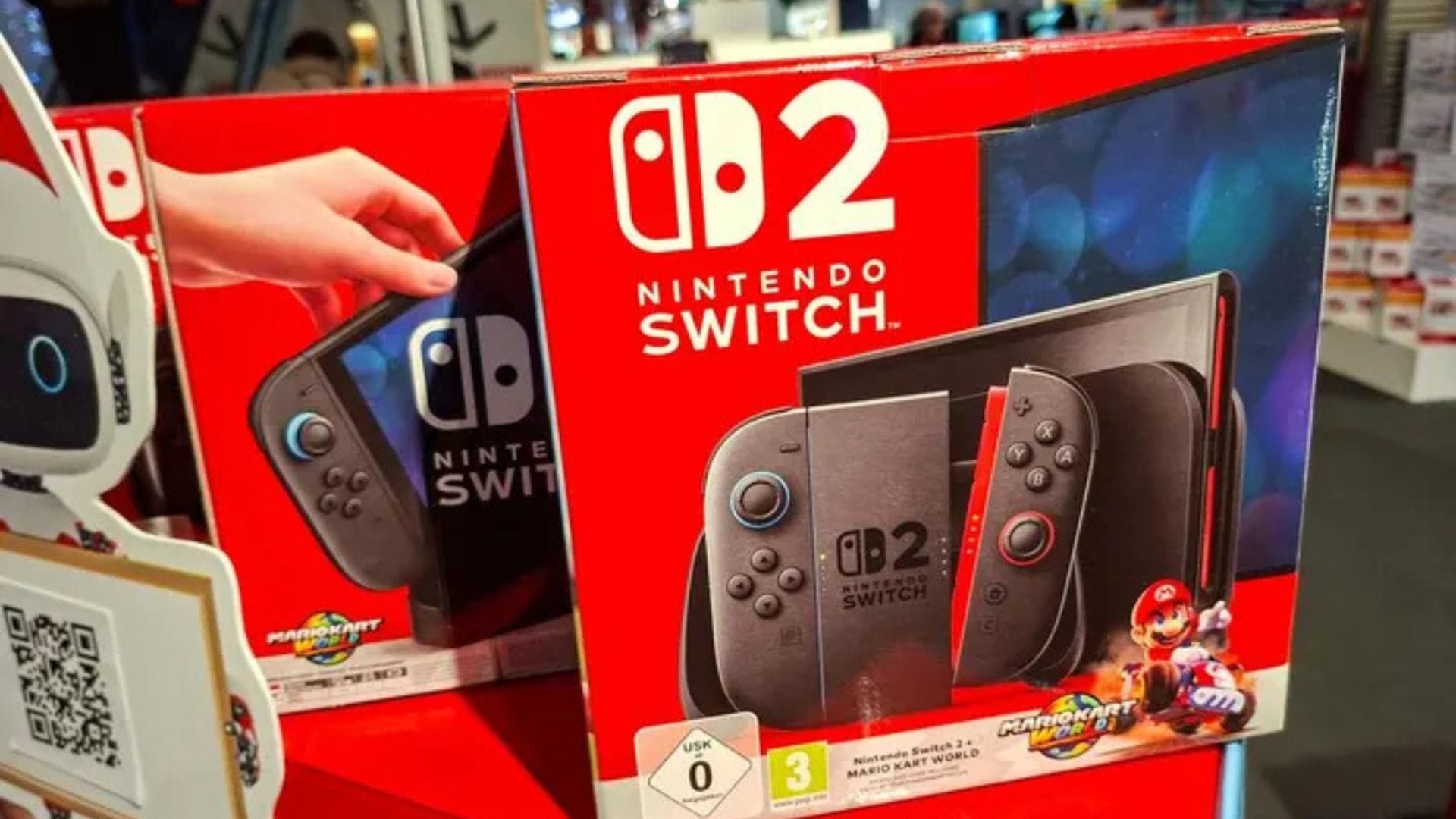
Nintendo has increased the price of its Switch 2 console in the United States as rising memory chip costs and tariffs continue to affect the gaming industry. The Japanese company confirmed in its latest earnings report that the console will now cost US$500, up US$50.
The price adjustment comes at a time when technology manufacturers are facing higher production expenses linked to global supply chain pressures and trade measures. Nintendo said additional costs linked to component prices, particularly memory, and tariffs were expected to total around 100 billion yen during the next financial year.
Although the increase is smaller than the recent price rise for Sony’s PlayStation 5, analysts believe Nintendo may face greater pressure from consumers due to its younger audience and more price-sensitive customer base. The company’s consoles have traditionally appealed to families and casual players, making affordability an important factor in sales performance.
Nintendo’s latest financial results also showed that demand for the Switch 2 remained strong during its launch period. The company shipped 2.49 million units during the quarter, bringing total sales to 19.86 million consoles over the first three quarters of its last fiscal year.
Nintendo lowers expectations despite strong launch
Despite the Switch 2’s strong performance so far, Nintendo forecasts lower sales for the next fiscal year. The company expects to sell 16.5 million units in the coming year, a figure that fell short of market expectations.
Several analysts had predicted annual sales of more than 20 million consoles following the device’s successful launch. However, Nintendo appeared to take a cautious approach in its projections after previously underestimating demand during the past financial year.
The company said it still believed the forecast represented healthy growth for the console. Nintendo stated that the projected sales figure “represents a solid level of adoption for Switch 2 in its second year after launch.”
Industry observers noted that Nintendo may be preparing for softer consumer spending conditions and increased competition in the gaming market. Higher retail prices could also slow momentum, particularly among younger buyers and households facing tighter budgets.
At the same time, Nintendo’s business continued to benefit from a strong line-up of software releases. Combined software sales for the original Switch and Switch 2 reached 185.62 million units during the fiscal year, compared with 155.41 million units for the previous year when only the original Switch platform was available.
Several first-party titles performed strongly for the company. Mario Kart World sold 14.7 million copies, while Donkey Kong Bananza reached 4.5 million units. Pokémon Legends: Z-A also delivered solid results with 8.5 million copies sold.
Software and entertainment help support revenue growth
Nintendo’s wider entertainment business also contributed to its financial performance during the year. The company revealed that the Super Mario Galaxy film generated more than US$800 million at the global box office within its first four weeks of release.
The success of Nintendo’s film projects reflects the company’s growing efforts to expand its intellectual property beyond gaming hardware and software. Recent years have seen Nintendo increase its focus on films, theme park attractions and merchandise as part of a broader strategy to diversify revenue streams.
Financially, Nintendo reported a major increase in annual revenue for the 2026 fiscal year. Revenue rose by 98.6% to 2.3 trillion yen, equivalent to around US$14.7 billion. This compares with 1.16 trillion yen, or US$7.4 billion, recorded during the previous financial year.
The sharp rise was driven largely by the launch of the Switch 2 and higher software sales. However, the company warned that revenue could decline in the coming year as hardware sales normalise following the initial launch period.
Nintendo forecast that annual revenue would fall by nearly 11.4% next year. Even so, the company expects operating profit to improve slightly, supported by stronger software sales and continued engagement with its gaming ecosystem.
The gaming industry continues to face uncertainty linked to manufacturing costs, global trade policies and changing consumer demand. Companies including Nintendo, Sony and Microsoft have all faced challenges balancing profitability with pricing that remains attractive to consumers.
For Nintendo, the coming year is likely to test whether the Switch 2 can maintain its strong early momentum while operating in a more expensive market environment. The company’s performance may depend not only on hardware demand but also on its ability to continue delivering popular games and entertainment content across multiple platforms.