Apple is widely expected to unveil a new entry-level MacBook next week, marking a potential return to the affordable end of its laptop line-up. According to industry speculation, the device will sit below the MacBook Air and MacBook Pro ranges and could be priced between US$699 and US$799.
If accurate, that would make it significantly cheaper than the current US$999 starting price of the MacBook Air listed on Apple’s website. The company has previously tested demand for lower-cost models by allowing retailers to sell older hardware at reduced prices. In 2024, Walmart offered the original M1-powered MacBook Air for US$700, with prices later falling to US$650 in 2025. However, that model is now considered dated, both in terms of design and its ageing M1 chip.
The rumoured device is said to use one of Apple’s mobile processors rather than the more powerful M-series chips found in its premium laptops. By opting for a smartphone-class processor, Apple could reduce production costs while still delivering performance suitable for everyday tasks such as web browsing, streaming and office work.
A strategic shift towards affordability
The launch of a cheaper MacBook would represent a notable strategic move for Apple, which has largely focused on premium hardware in recent years. While the Mac has enjoyed renewed attention since the introduction of Apple Silicon, entry prices have remained out of reach for many consumers.
The company’s earlier decision to keep the M1 MacBook Air on sale through third-party retailers offered a glimpse of demand at lower price points. That approach allowed Apple to gauge interest without investing in a new design. Yet continuing to rely on older hardware is not sustainable. The M1 chip is now 6 years old, and the MacBook Air’s earlier chassis design no longer aligns with Apple’s current aesthetic standards.
Reports suggest the new model could feature an updated aluminium enclosure, giving it a more modern and durable feel. Even at a lower price, Apple is unlikely to compromise on build quality, an area where it has traditionally differentiated itself from many sub-US$1,000 Windows laptops.
By introducing a genuinely new budget MacBook rather than discounting ageing stock, Apple would signal a stronger commitment to competing in the mid-range market. It would also broaden macOS’s appeal to consumers who may have previously viewed the platform as too expensive.
An opportunity to win over Windows users
A lower-cost MacBook could also provide Apple with a timely opportunity to target dissatisfied Windows users. In the mid-2000s, Apple famously positioned the Mac as a simpler and more reliable alternative through its “Get A Mac” advertising campaign. In recent years, however, the company has relied more on the strength of its ecosystem and less on direct comparisons with Microsoft’s platform.
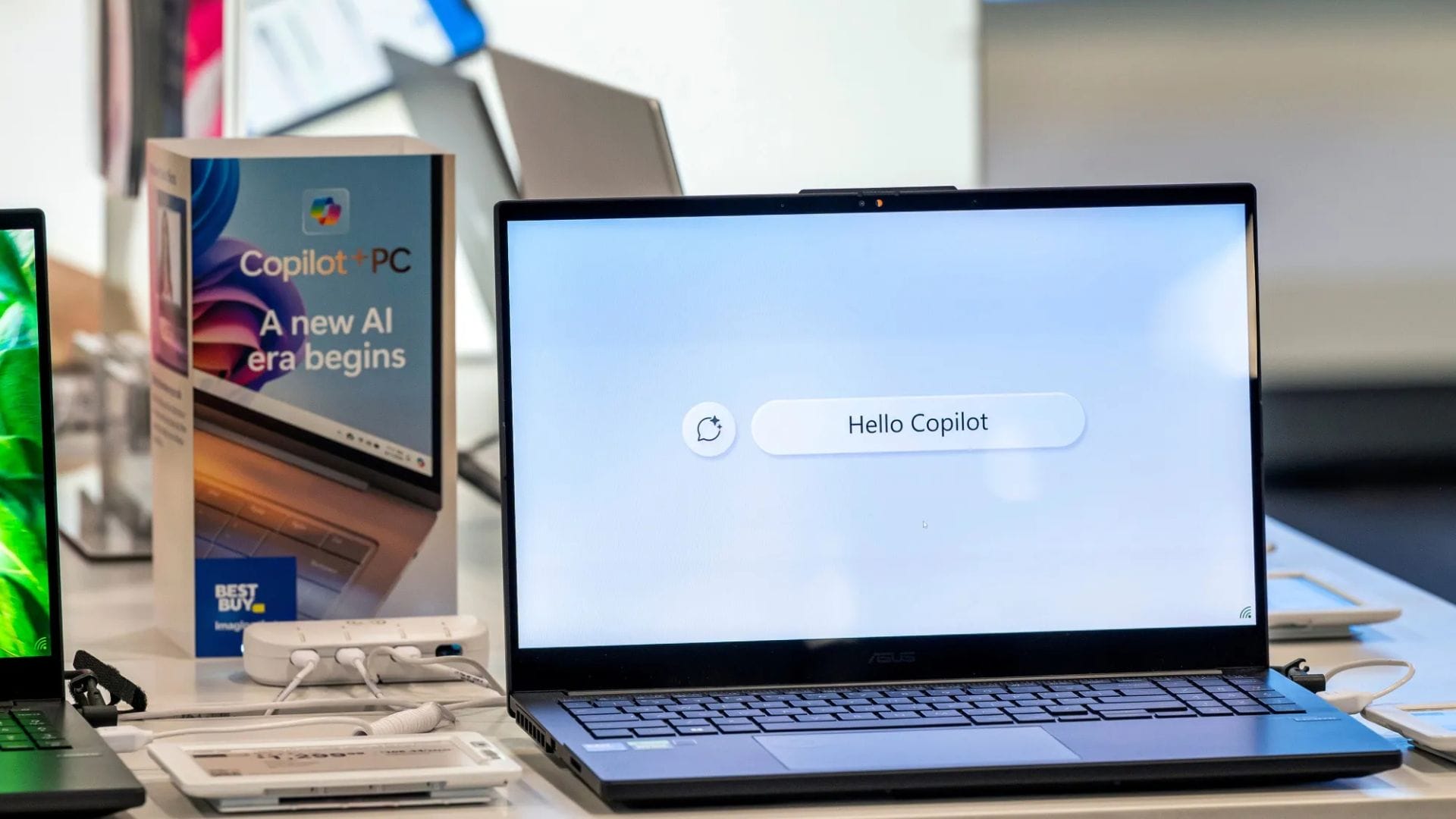
Microsoft has increasingly focused on artificial intelligence, including its Copilot assistant and proposed “agentic” capabilities to automate user tasks. While these initiatives have attracted attention, some Windows users have criticised the emphasis on AI over core operating system improvements. At the same time, several problematic Windows updates over the past year have reportedly disrupted installations for some users.
Against this backdrop, Apple may see an opening. macOS has largely avoided the advertising and pre-installed software that have drawn complaints from parts of the Windows community. Users who prefer a simpler interface can turn off Apple Intelligence features with minimal effort, and the operating system remains tightly integrated with Apple’s hardware.
Transitioning from Windows to Mac has also become less complicated. Many users now rely primarily on web-based applications, reducing the importance of platform-specific software. Apple provides tools to help transfer files and settings, and the company could further ease the process by offering tutorials explaining macOS basics, such as installing applications and managing windows.
There may also be an opportunity to appeal to iPhone owners who currently use Windows PCs. Features such as iPhone mirroring and seamless messaging integration offer clear benefits when devices share the same ecosystem. A more affordable MacBook would lower the barrier to entry for those consumers.
Performance expectations and market impact
Rumours suggest the forthcoming MacBook could be powered by the A18 Pro chip, which is expected to debut in the iPhone 16 Pro. Benchmark leaks suggest this processor may outperform the original M1 chip in certain tasks. Although it may include fewer cores than newer M2 or M3 processors, it would likely provide ample performance for everyday productivity and media consumption.
For many users, the additional graphics power offered by higher-end MacBook Air models may be unnecessary. Students, office workers and home users typically prioritise battery life, portability and reliability over advanced GPU capabilities. If Apple can deliver solid performance while undercutting its current entry price by US$200 to US$300, the new model could prove attractive.
The broader PC market has faced challenging conditions in recent years, with demand fluctuating and manufacturers seeking new ways to stimulate sales. A competitively priced MacBook could intensify competition in the mid-range segment, where Windows laptops currently dominate.
Ultimately, the success of the rumoured device will depend on how Apple balances price, performance and design. If it can maintain the premium feel associated with the brand while lowering the cost of entry, the company may succeed in drawing new customers to macOS. For some Windows users, a US$699 or US$799 MacBook could represent a compelling alternative at a time when platform loyalty is less rigid than in the past.