



Saturday, 27 December 2025
27.9 C
Singapore
24.3 C
Thailand
26.2 C
Indonesia
26.7 C
Philippines

Apple’s AirTags now feature child safety battery warnings

[output_post_excerpt]

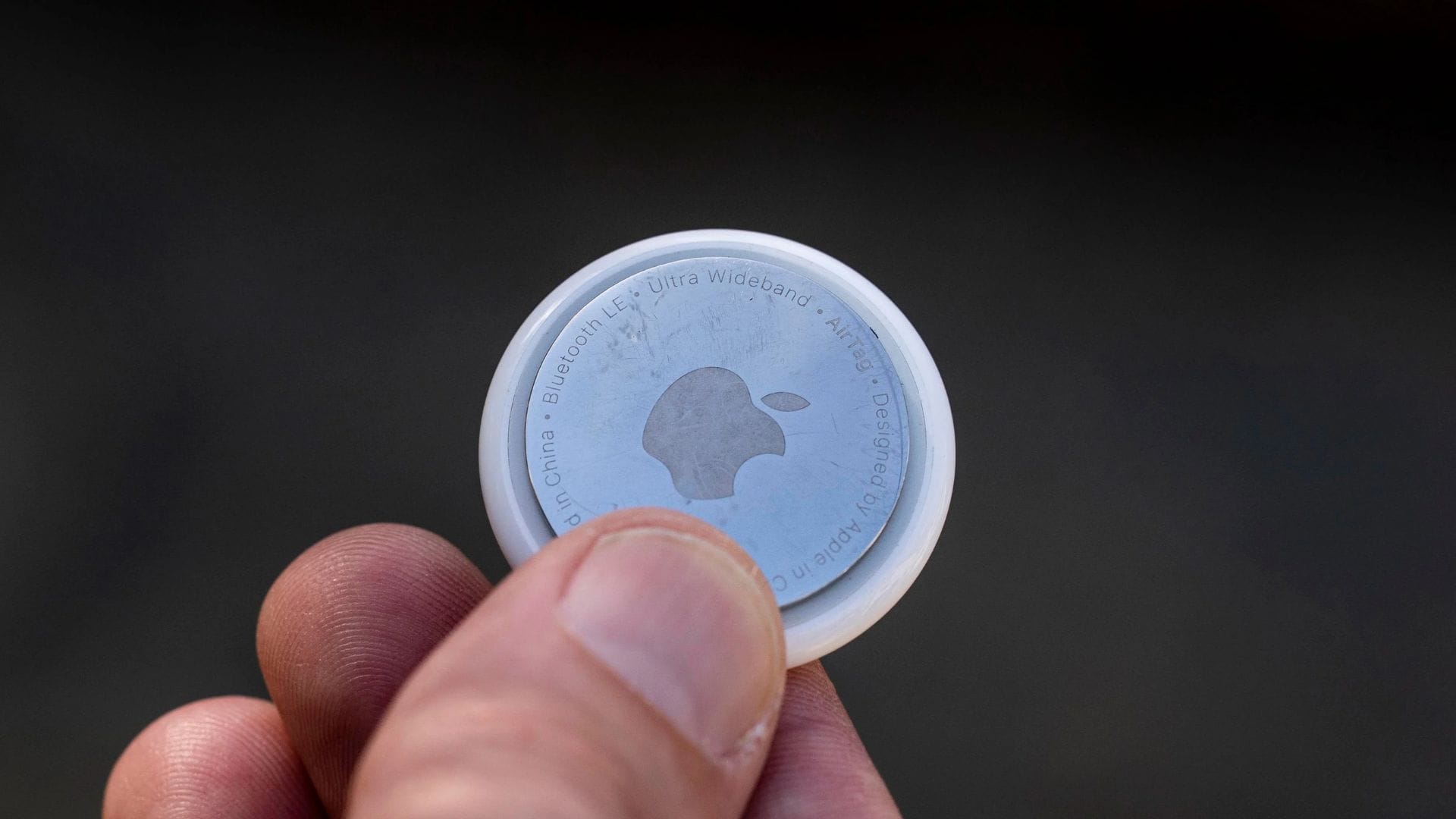
Apple has introduced new child safety warning labels on its AirTags and packaging to comply with a US law protecting children from the risks of ingesting button or coin-cell batteries. The US Consumer Product Safety Commission (CPSC) confirmed these changes in a press release.

Compliance with “Reese’s Law”

The updates result from “Reese’s Law,” which went into effect on March 19, 2024. This law mandates that all products containing button or coin cell batteries include clear warning labels to highlight the dangers these batteries pose to children if swallowed.

According to the CPSC, AirTags imported into the United States after the law’s implementation did not meet the new requirements for on-product and on-box warnings. These warnings are crucial for alerting users to the serious risks of injury, or even death, from battery ingestion if children gain access to these small batteries.

In response, Apple has added a warning symbol directly to the AirTag’s battery compartment. Additionally, the boxes now display the required warning statements and symbols.

Updates to the Find My app

Beyond physical labels, Apple has also updated the digital side of AirTag usage. The instructions displayed in the Find My app for replacing an AirTag’s battery now include a warning about the hazards associated with button and coin cell batteries. This step aims to increase users’ awareness of the importance of keeping these batteries out of the reach of children.

AirTags’ continued evolution

Apple first launched AirTags in 2021 as a handy tool for locating personal items like keys, bags, and wallets. Since their release, the product has gained widespread popularity. Apple is also rumoured to be working on an updated version of AirTags, which is set to launch later this year.

Including these safety warnings reflects Apple’s efforts to align with consumer safety regulations while continuing to innovate its product lineup.

Hot this week

Sony and Honda’s first electric car brings PlayStation Remote Play on the road

Sony and Honda’s Afeela EV will support PlayStation Remote Play, letting passengers stream PS5 and PS4 games to the car’s display.

AI designs a Linux computer with 843 parts in a single week

Quilter reveals a Linux computer designed by AI in one week, hinting at a future where hardware development is faster and more accessible.

Indie Game Awards withdraws Clair Obscur honours over generative AI use

Indie Game Awards withdraws Clair Obscur’s top honours after confirming generative AI assets were used during the game’s production.

How Southeast Asia’s smart cities can unlock the next wave of AI with real-time, connected data

How Southeast Asia’s cities can use real-time, connected data to unlock AI-driven operations, improve resilience, and enhance urban services.

Google delays Gemini takeover from Assistant on Android until 2026

Google has delayed replacing Google Assistant with Gemini on Android, extending the transition into 2026 as technical challenges persist.

How Southeast Asia’s smart cities can unlock the next wave of AI with real-time, connected data

How Southeast Asia’s cities can use real-time, connected data to unlock AI-driven operations, improve resilience, and enhance urban services.

Square Enix releases Final Fantasy VII Remake Intergrade demo on Switch 2 and Xbox

Free demo for Final Fantasy VII Remake Intergrade launches on Switch 2 and Xbox, letting players carry progress into the full 2026 release.

AI designs a Linux computer with 843 parts in a single week

Quilter reveals a Linux computer designed by AI in one week, hinting at a future where hardware development is faster and more accessible.

Super Mario Bros inspired Hideo Kojima’s path into game development

Hideo Kojima reveals how Super Mario Bros convinced him that video games could one day surpass movies and led him into game development.

Related Articles
