

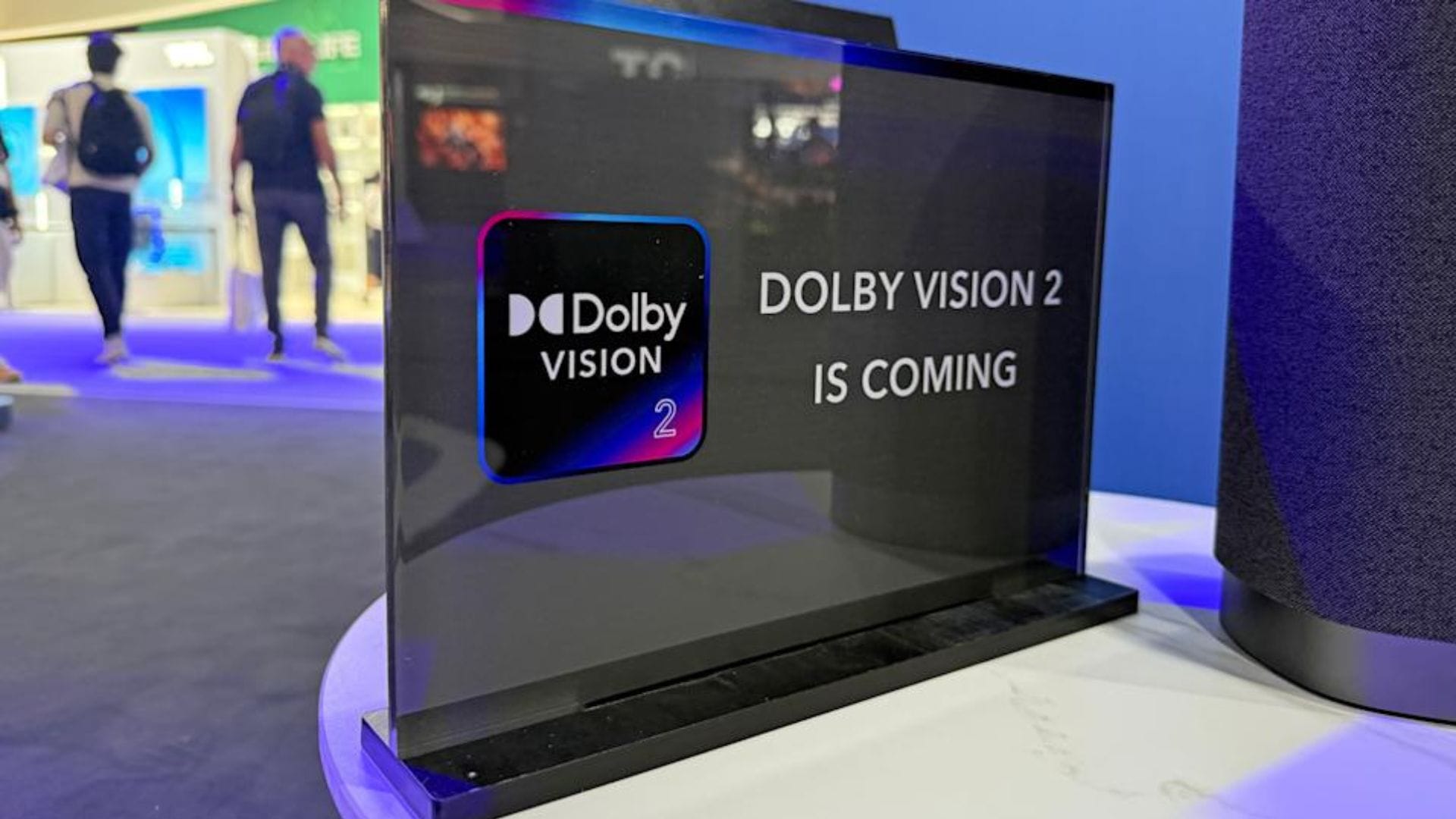
Dolby has confirmed that Dolby Vision 2 will begin rolling out later this year, marking the most significant update to its premium HDR technology in more than a decade. While the company first announced the next-generation image engine in September, it used CES 2026 to showcase the technology and formally outline its early rollout plans.
The demonstrations at the Las Vegas trade show offered the clearest look yet at how Dolby Vision 2 will change the way televisions process and display content. Dolby positioned the platform as a response to modern viewing habits, larger screens and brighter panels, while also addressing long-standing complaints about dark scenes, motion handling and colour accuracy.
What Dolby Vision 2 brings to the television picture quality
Dolby Vision 2 is designed to act as an intelligent image engine that adapts picture settings in real time based on both the content on screen and the environment in which it is being watched. A core feature is content recognition, which allows compatible TVs to automatically optimise settings depending on whether viewers are watching films, live sports, television shows or playing games.
One of the most noticeable improvements is aimed at scenes that appear overly dark on many modern TVs. Dolby Vision 2 analyses scene details and adjusts brightness and contrast to reveal more shadow detail without washing out the image. The system also compensates for ambient lighting in the room, using built-in sensors to adjust the picture during daytime viewing or in brightly lit spaces.
Colour reproduction has also been updated through new tone-mapping technology. Dolby says this allows colours to appear more natural and consistent across different display types, while maintaining creative intent. In side-by-side comparisons shown at CES 2026, Dolby Vision 2 delivered more balanced highlights and smoother colour transitions than the current Dolby Vision standard.
Motion handling is another area of focus. The new Authentic Motion feature is designed to reduce judder while avoiding excessive smoothing. According to Dolby, the goal is to create motion that looks “authentically cinematic” without introducing the so-called “soap opera effect” that many viewers dislike. The company says this approach is particularly beneficial for films shot at lower frame rates and for live sports broadcasts.
Television makers are preparing support for the new standard
Several TV manufacturers used CES 2026 to confirm their plans to support Dolby Vision 2, providing the first indication of where consumers will see the technology appear. Hisense announced that its 2026 RGB MiniLED TV lineup will include the image engine, including the UX, UR9, and UR8 models. The company also plans to bring Dolby Vision 2 to additional MiniLED TVs through over-the-air software updates.
TCL confirmed that its 2026 X Series QD-Mini LED TVs and selected C Series models will support Dolby Vision 2 via a future firmware update. TP Vision, which produces Philips-branded televisions, said the technology will be available on its 2026 OLED range, including the OLED811, OLED911 and the flagship OLED951.
More manufacturers are expected to announce support throughout 2026. Some major brands, including Sony, typically reveal new TV lineups outside CES, leaving their Dolby Vision 2 plans unconfirmed for now. Dolby has indicated that televisions will need sufficient processing power and an ambient light sensor to take full advantage of the new features, meaning older models are unlikely to gain full support.
Streaming services and content availability at launch
Content availability will initially be limited, but Dolby has confirmed its first streaming partner for Dolby Vision 2. NBCUniversal-owned Peacock will be the first platform to support the new format, making it the sole confirmed streaming service at launch.
Although only one service has announced Dolby Vision 2 support so far, Dolby is expected to build on existing relationships with major platforms. Services such as Netflix, Disney+, Apple TV+, Amazon Prime Video, HBO Max and Paramount+ already support the current Dolby Vision standard, making them likely candidates to adopt the updated technology over time.
Dolby has not yet confirmed which titles will be mastered in Dolby Vision 2 or whether existing Dolby Vision content will be upgraded automatically. The company has suggested that the new image engine is designed to work seamlessly with future releases, rather than replacing existing libraries overnight.
As Dolby Vision 2 rolls out later this year, early adoption is expected to focus on premium TV models and select streaming content. Wider availability will depend on the manufacturer’s support and the streaming platform’s commitments. Still, Dolby has made clear that the platform is intended to become the new foundation for high-end television viewing.