

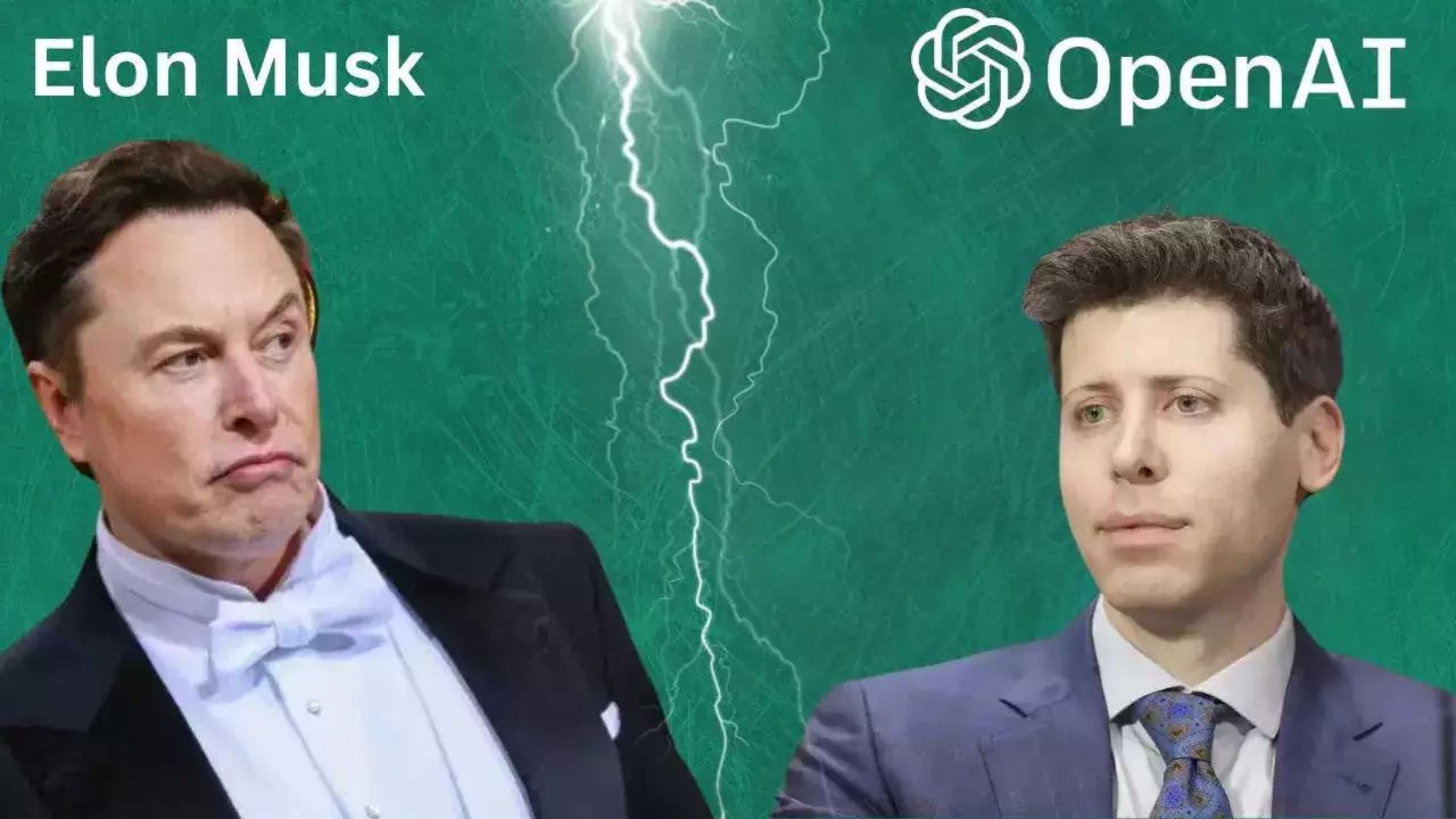
Elon Musk has decided to drop his lawsuit against OpenAI and its CEO, Sam Altman. The lawsuit accused the company of breaching a contract and abandoning its mission to create AI technology that benefits humanity. This decision comes after months of legal wrangling and some controversial statements from Musk.
The legal battle ends abruptly
Musk filed the lawsuit in a California state court in February (case number CGC24612746), claiming that OpenAI breached an agreement with him and other founding members. The agreement was to ensure OpenAI remained a nonprofit and kept its technology open-source. However, just one day before a hearing to review OpenAI’s request to dismiss the case, Musk withdrew the lawsuit. This move was made a day after Musk threatened to ban Apple devices at his companies if Apple integrated OpenAI’s technology into its operating systems.
The case was dismissed without prejudice, meaning Musk can refile the lawsuit. This legal manoeuvre allows Musk to keep his options open while returning from the immediate confrontation.
Issues with Musk’s case
The Verge’s Nilay Patel highlighted significant issues with Musk’s lawsuit, stating that Musk was alleging a breach of a contract that, according to the court documents, did not exist. The complaint referenced a “founding agreement,” but no such document was attached as evidence. The breach of contract claim suggested that the “founding agreement” was more of an understanding inferred from emails than a formal, legally binding contract.
OpenAI denied Musk’s allegations, arguing that the billionaire sought to gain “absolute control” over the company by merging it with Tesla. OpenAI stated that no formal agreement with Musk would support his claims. The company maintained that it had continuously operated independently and that its mission was to advance digital intelligence in a way that benefited humanity.
Musk’s AI ventures continue
Musk has not stepped back from the AI industry, despite the legal drama. Last year, he founded his own AI company, xAI. The company developed Grok, an AI chatbot available to subscribers of X Premium. To support the development of its AI system, xAI raised US$6 billion from investors, funding the purchase of expensive chips needed for their technology.
Recently, CNBC reported on emails suggesting Musk had redirected thousands of Nvidia H100 AI chips, initially reserved for Tesla, to xAI. This move raised questions about Musk’s priorities and the potential conflicts of interest between his ventures.
As Musk withdraws his lawsuit against OpenAI, the future of AI development and the interplay between different tech giants remain as dynamic and contentious as ever. Musk’s actions and statements continue to attract significant attention, and how his various projects will evolve remains to be seen.