

In a significant digital payment strategy shift, Google announced that the Google Pay app will be discontinued in the United States starting June 4, 2024. This move aims to concentrate the company’s efforts on the more widely adopted Google Wallet service.
The transition to Google Wallet
In a recent blog post, Google revealed that the standalone Google Pay app would stop functioning in the US by June 4, 2024. This decision, however, won’t affect Google Pay’s operations in other countries, such as India and Singapore, where the app will continue its regular services.
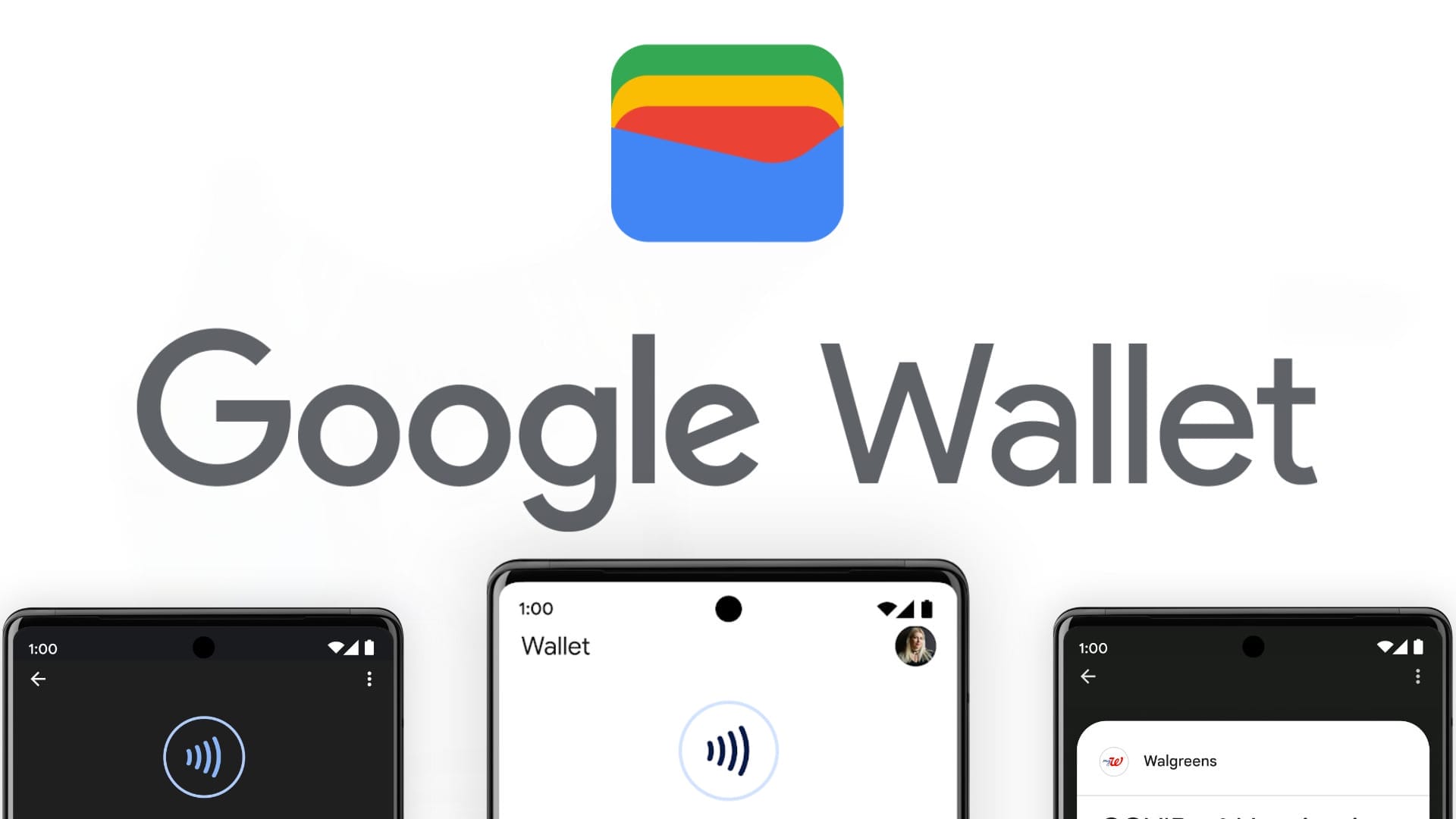
The transition towards Google Wallet started in 2022 and has since seen a significant uptick in usage. Google Wallet, a mobile app designed for Android users, outperforms Google Pay by a factor of five in terms of user engagement. This preference is largely attributed to Google Wallet’s enhanced functionality. Unlike Google Pay, Google Wallet offers users the convenience of storing credit cards for tap-to-pay, digital IDs, and public transit passes, making it a more comprehensive digital wallet solution.
How will Google Pay users in the US be affected?
For those currently using Google Pay in the US, you will have until the shutdown date to continue enjoying the app’s services. Post-June 4, Google Pay will no longer support functionalities like sending, requesting, or transferring money through the app. However, this doesn’t leave users in a lurch. You will still be able to transfer funds from your Google Pay account to your bank account via the Google Pay website, ensuring a smooth transition and access to your funds.
Google’s history of product evolution
Google’s decision to phase out Google Pay in the US follows a well-established pattern within the company of introducing new products, only to later retire them or integrate them into other services. This approach reflects Google’s adaptive strategy in response to changing market demands and commercial interests. Over the years, several Google products have met a similar fate, including Jamboard, the cloud gaming service Stadia, and Google Play Music. The discontinuation of Google Pay in the US is just the latest example of Google’s ongoing product evolution and consolidation.
As Google Pay prepares to bid farewell to its US user base, Google Wallet stands ready to fill the void with its advanced features and broader utility. For current Google Pay users, this transition marks the end of an era and the beginning of a new chapter in digital payments with Google Wallet.
For more information on this transition and guidance on switching to Google Wallet, users can refer to Google’s official blog.