


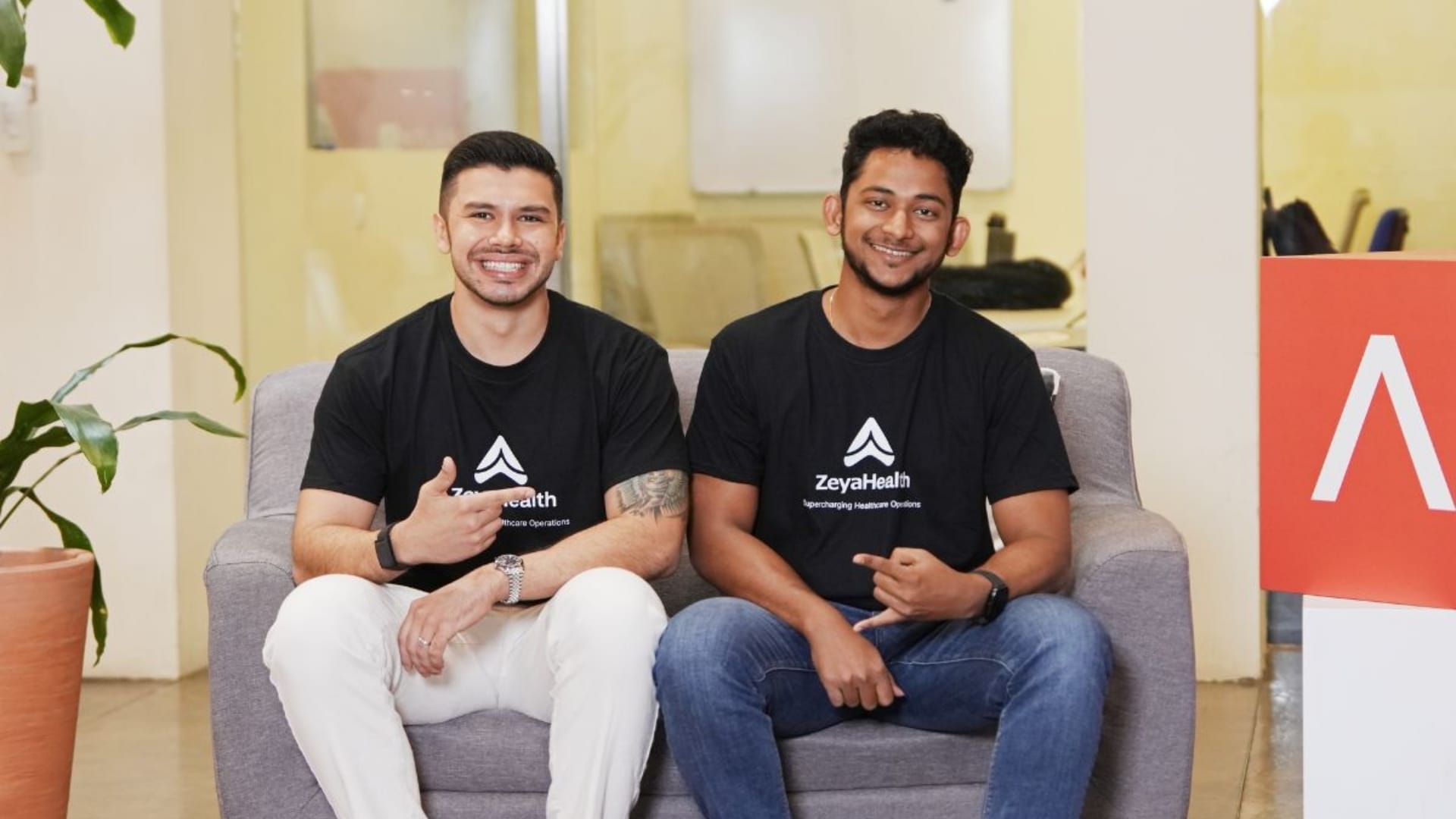
Singapore-based healthcare technology company Zeya Health has raised US$575,000 in pre-seed funding after recording rapid demand-led growth for its AI-native administrative platform. The round was backed by Antler and a group of strategic angel investors, and follows more than 20x growth in clinic adoption since August, alongside sustained month-on-month expansion.
The funding comes as healthcare providers across the Asia-Pacific region face mounting operational pressure. Patient volumes continue to rise, while administrative capacity and staffing levels struggle to keep pace. The region’s healthcare market is projected to reach approximately US$5 trillion by 2030, yet it is simultaneously experiencing a severe shortage of healthcare professionals. This imbalance is creating structural strain across clinics, with administrative work increasingly limiting how care can be delivered.
Zeya Health was built to address this gap by focusing on the operational layer of healthcare rather than clinical decision-making. The company offers an AI-native front desk that integrates directly into a clinic’s existing electronic medical records and communication channels, including WhatsApp. The system automates routine administrative tasks such as appointment reminders, follow-ups, rescheduling, and patient engagement, operating around the clock without replacing core clinical systems.
According to the company, clinics can go live in under 48 hours after the platform scans existing workflows and maps them into AI-driven processes. This allows providers to adopt automation without introducing new logins, formats, or manual rule-setting. By prioritising integration over replacement, Zeya Health aims to reduce adoption friction in environments where operational stability is critical.
Addressing operational strain in Asia-Pacific healthcare
Healthcare providers across Asia-Pacific are navigating a convergence of challenges that extend beyond technology adoption. Rising patient expectations, increasing operational complexity, and growing regulatory requirements are placing sustained pressure on both administrative and clinical teams. In many settings, clinicians are absorbing administrative tasks, reducing the time available for patient care.
Zeya Health’s platform is designed to remove friction from these non-clinical workflows. By automating patient communications and scheduling, the system aims to reduce manual workload while improving responsiveness and consistency. The company positions this as a way for providers to scale sustainably without adding complexity or headcount.
Since August, Zeya Health has expanded rapidly across multiple clinic establishments, sustaining approximately 2x month-on-month growth. As demand has increased, the company has begun working with larger healthcare groups to standardise workflows across multi-clinic environments. This marks a shift from early adoption by individual practices to broader organisational deployments.
AcuMed, a leading healthcare provider in Singapore, is currently assessing and working towards piloting Zeya Health’s platform across a multi-clinic setup. The engagement reflects growing interest from established providers in AI-native infrastructure that can support high-volume operations. It also highlights a willingness among larger organisations to co-develop tailored solutions that reflect the realities of complex healthcare environments.
Founder experience and investor confidence
Zeya Health’s founding team brings direct experience with the operational challenges facing healthcare providers. Co-founder and chief executive officer Agastya Samat has spent more than a decade in startups, including work deploying large-scale digital health solutions with the NHS in the United Kingdom and a major insurer in the Middle East. These experiences shaped the company’s focus on operational bottlenecks rather than clinical tools.
His co-founder and chief technology officer, Pasindu Wijesena, founded his first AI startup five years before the launch of ChatGPT and has led engineering teams of more than 100 people in fast-paced product environments. Together, the founders identified a recurring issue across markets: care teams spending significant time managing systems instead of focusing on patients.
“We’ve both seen firsthand how care teams end up spending more time fighting systems than caring for patients,” said Agastya Samat. “Whether it was deploying digital health systems at scale or watching clinics struggle with growing patient loads, the same issue kept coming up: operational friction limits how much care can actually be delivered. We started Zeya to remove that bottleneck, so providers can grow without burning out their teams.”
Investor Antler provided Zeya Health with its first institutional backing after the founders completed its residency programme, and later increased its investment as the company demonstrated execution speed and demand-led traction. Winnie Khoo, Partner at Antler, said the team’s ability to earn trust in a cautious sector was a key factor behind the investment.
“From day zero, the Zeya team has executed with speed and discipline,” she said. “They are addressing a deeply entrenched problem in healthcare: operational and administrative overhead while earning trust from providers who are cautious about adopting new systems. Their early traction reflects both the urgency of the problem and the founders’ grit in turning insight into real-world adoption.”
Scaling deployments and expanding care models
The newly raised funding will be used to support continued product development and scaled deployments across private healthcare providers in Singapore and the wider Asia-Pacific region. Zeya Health is also expanding its team, with active hiring for Forward Deployed Engineers and Clinical Deployment Specialists to support implementation and commercial growth.
The company currently works with providers across physiotherapy, primary care, paediatrics, surgical services, and aesthetic outpatient care. Expansion into additional care models and regional markets is planned for 2026, as healthcare organisations increasingly compete on operational efficiency and patient experience.
Zeya Health’s longer-term ambition is to position itself as a foundational AI layer for healthcare organisations. By focusing on operational automation and observability rather than clinical decision-making, the company aims to help providers scale sustainably without adding complexity. As healthcare systems across Asia-Pacific reach a structural inflection point, demand for infrastructure that reduces friction without disrupting existing workflows is likely to continue growing.