


Wednesday, 10 December 2025
26.8 C
Singapore
20.8 C
Thailand
20.7 C
Indonesia
26.5 C
Philippines

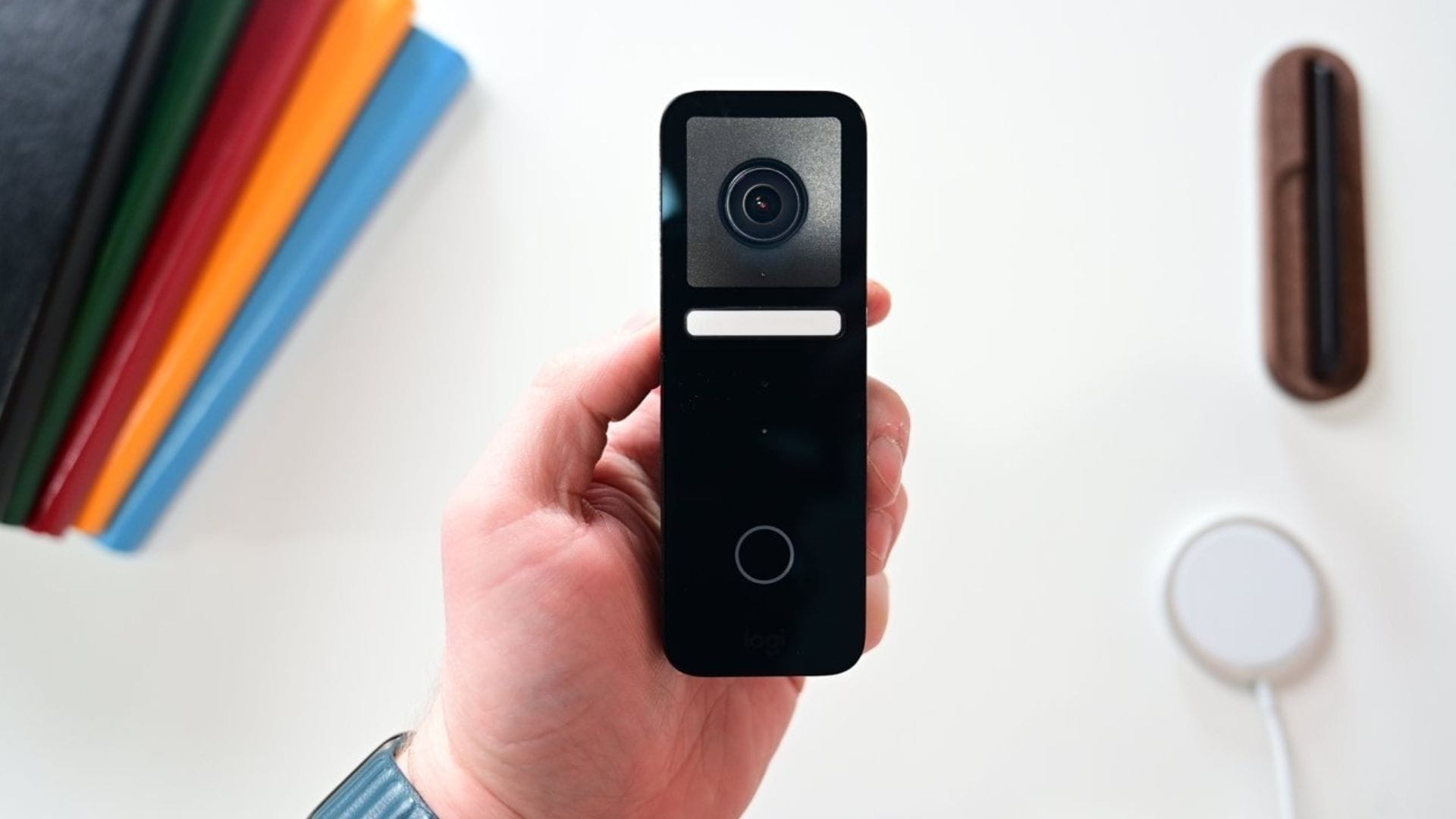
Apple developing Face ID-enabled smart doorbell

Apple plans a Face ID-enabled smart doorbell for seamless door unlocking, using its Secure Enclave and Proxima chip for smart home integration.

Apple is reportedly developing an advanced doorbell camera equipped with Face ID technology. According to Bloomberg’s Mark Gurman in the Power On newsletter, this innovative device could be released as early as the end of 2025.

How the Face ID doorbell camera works

Much like how your iPhone unlocks, this smart doorbell will use Face ID to automatically unlock your door when you or a recognised resident approaches. The device will feature Apple’s Secure Enclave chip, which securely stores and processes Face ID information separately from the rest of the system’s hardware. This ensures both privacy and safety, leveraging Apple’s established biometric technology.

The doorbell camera is expected to integrate with existing HomeKit-compatible smart locks, offering a seamless connection to your smart home system. Gurman also hinted at a potential partnership between Apple and a smart lock company to provide a complete solution from day one.

Additionally, the device will likely include Apple’s “Proxima” chip—a combination of Wi-Fi and Bluetooth technology—which is expected to debut in upcoming devices like the next-generation HomePod Mini and Apple TV.

Apple’s smart home expansion

This doorbell camera is just one part of Apple’s growing interest in the smart home sector. Rumours suggest Apple is working on a new smart home camera, an Apple-branded TV, and innovative smart home displays.

One of these displays is said to be a simple, iPad-like device designed to attach magnetically to wall mounts or speaker bases. Another concept involves a display mounted on a robotic arm, offering greater home use flexibility.

Apple’s push into smart home technology appears tied to its broader strategy, which is centred around Apple Intelligence. It aims to create an ecosystem of connected devices that combine convenience with cutting-edge technology.

If these plans come to fruition, Apple could redefine how people interact with their smart homes, offering new levels of integration and security for everyday tasks.

Hot this week

Tech industry overlooks Auracast as momentum quietly builds

Auracast promises major improvements in wireless audio, but limited marketing and slow adoption mean many consumers still don't know it exists.

Tiger Brokers: Bringing institutional-grade AI intelligence to global retail investors

AI is redefining retail investing as platforms like Tiger Brokers’ TigerAI integrate verified intelligence, personalisation, and long-term wealth management to empower global investors.

123RF introduces Gen AI-powered video comprehension capability on AWS

123RF launches AI-powered video comprehension on AWS to improve search accuracy, compliance checks, and creative asset discovery.

UnionBank adopts Amazon Quick Suite to accelerate data-driven decision making

UnionBank deploys Amazon Quick Suite to expand access to data analytics and speed up decision making across its organisation.

Let It Die: Inferno launches with extensive AI-generated elements

Let It Die: Inferno launches on 3 December with AI-generated voices, music, and graphics, sparking debate among fans.

ByteDance faces growing resistance as Chinese apps block its AI-driven smartphone

Chinese apps restrict ByteDance’s new AI smartphone as developers raise concerns over automation, security and privacy.

Pudu Robotics unveils new robot dog as it expands global presence

Pudu Robotics unveils its new D5 robot dog in Tokyo as part of its global push into service and industrial robotics.

Nintendo launches official eShop and Switch Online service in Singapore

Nintendo launches the Singapore eShop and Switch Online service, giving local players full access to digital games, subscriptions, and regional deals.

2026 Predictions Part 1: The five forces reshaping Asia’s digital economy

Five forces are redefining Asia’s digital economy in 2026, from AI adoption and data sovereignty to new security and workforce demands.

Related Articles

Popular Categories