

Faraday Future has announced a major expansion beyond electric vehicles by introducing a range of robotics products, including humanoid, quadruped, and industrial robotic arms. The move marks the company’s latest effort to diversify its business after years of financial challenges and slow vehicle sales.
The California-based company first attracted widespread attention with ambitious plans to compete in the electric vehicle market. However, repeated financial setbacks, legal disputes and production delays have limited its progress. While Faraday Future continues developing new electric vehicles, robotics has emerged as another key focus as it looks to generate new revenue streams.
Faraday Future looks beyond electric vehicles
Faraday Future built significant anticipation before unveiling its first production-ready electric vehicle at CES in 2017. At the time, the company positioned itself as a serious challenger in the growing electric vehicle market. However, the years that followed proved difficult as financial instability, internal restructuring, lawsuits and staff reductions slowed development.
The company and its founder, YT Jia, faced ongoing challenges that delayed many of its original plans. By January 2025, Faraday Future had sold only “15 or 16” vehicles, highlighting the gap between its early ambitions and its commercial performance.
Despite these setbacks, the company has continued to pursue its electric vehicle strategy. At CES 2025, it introduced plans for the FX Super One multi-purpose vehicle and described the initiative as a “fresh start”. The first pre-production version of the van was completed in December, while YT Jia returned as the company’s sole global chief executive in May as part of a broader management restructuring.
Although Faraday Future remains committed to electric vehicles, its latest announcements suggest that robotics will play an increasingly important role in its future business plans.
New robotics portfolio targets consumers and businesses
Faraday Future’s latest product range includes several robotics platforms designed for different markets. One of the most affordable products is Navi, a quadruped robot designed to help children learn embodied artificial intelligence concepts. The robot starts at approximately US$2,000, though buyers can pay extra for optional accessories, such as a 3D-printed canine-style head.
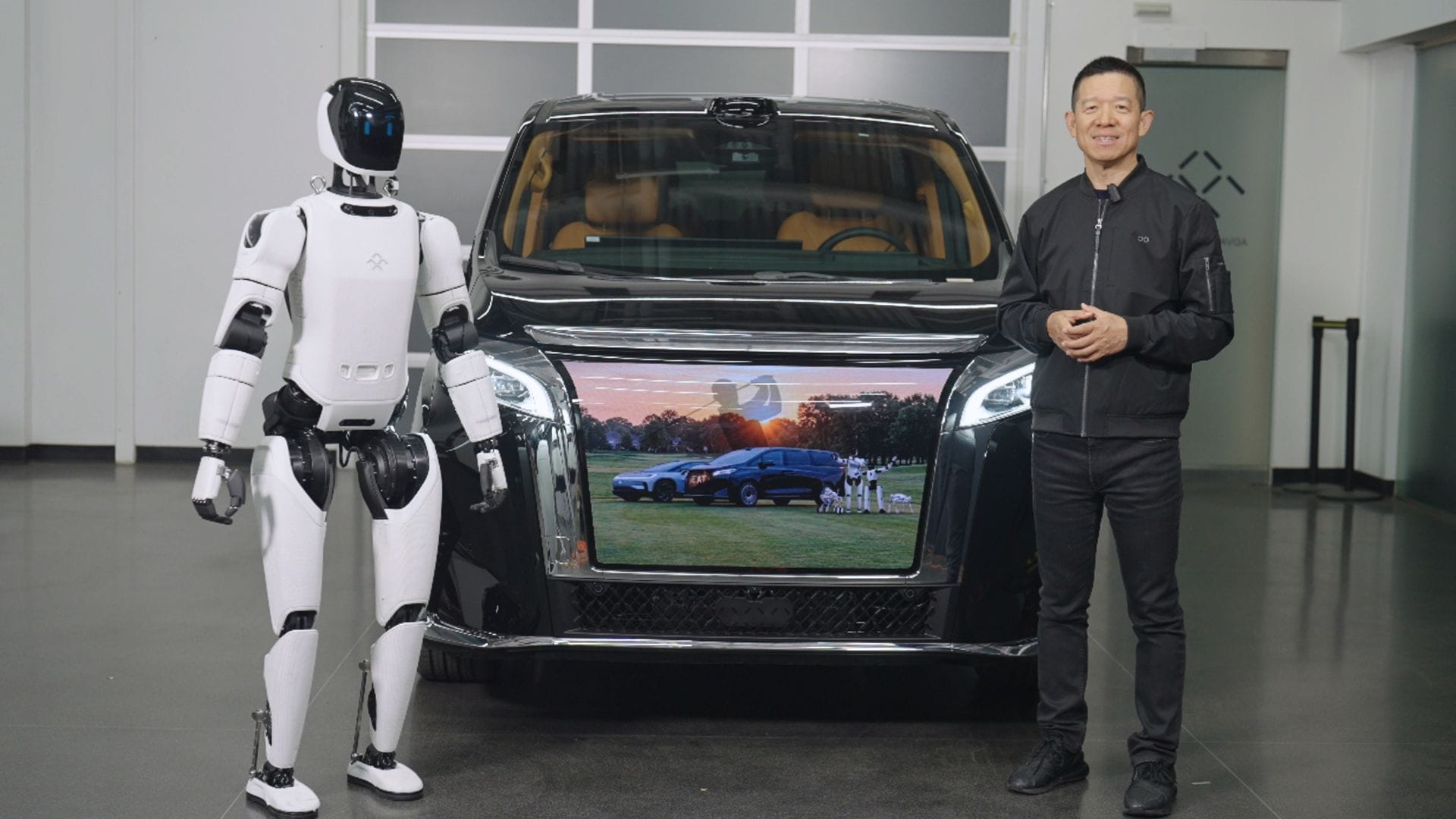
The company has also introduced an updated version of its humanoid robot, known as Futurist. Standing approximately 5 feet 8 inches tall, the robot uses NVIDIA Sonic’s full-body motion control system and is priced at US$89,900. It is designed for applications that require advanced movement and interaction capabilities.
Faraday Future has also unveiled what it describes as a mobile manipulator product, an industrial robotic arm intended for commercial and industrial use. While the company has not disclosed pricing, the product is expected to target business customers rather than consumers.
The robotics announcement reflects a broader trend across the technology industry, where companies in the electric vehicle sector are increasingly investing in robotics and artificial intelligence. Several manufacturers view these technologies as complementary, enabling them to build on their expertise in sensors, autonomous systems, and software.
The company expects robotics shipments to grow
Despite its mixed commercial history, Faraday Future is optimistic about demand for its robotics products. According to the company’s latest announcement, it expects to ship more than 100 robotics units during June. It also forecasts that total shipments during the first six months of the year will exceed its original target of 220 units.
Although these figures remain modest compared with established robotics manufacturers, they would represent a larger shipment volume than the company’s electric vehicle sales to date. The projections suggest Faraday Future believes robotics could become a meaningful contributor to its business if customer interest continues to grow.
The company’s decision to expand into robotics also demonstrates its willingness to explore new markets while maintaining its electric vehicle programme. Whether this strategy succeeds will depend on its ability to deliver products consistently and build customer confidence after years of operational challenges.
Faraday Future now faces the task of proving that it can establish itself in another highly competitive technology sector. While its electric vehicle ambitions remain in development, the company’s growing robotics portfolio signals an effort to reshape its business around emerging technologies and create additional opportunities for future growth.