


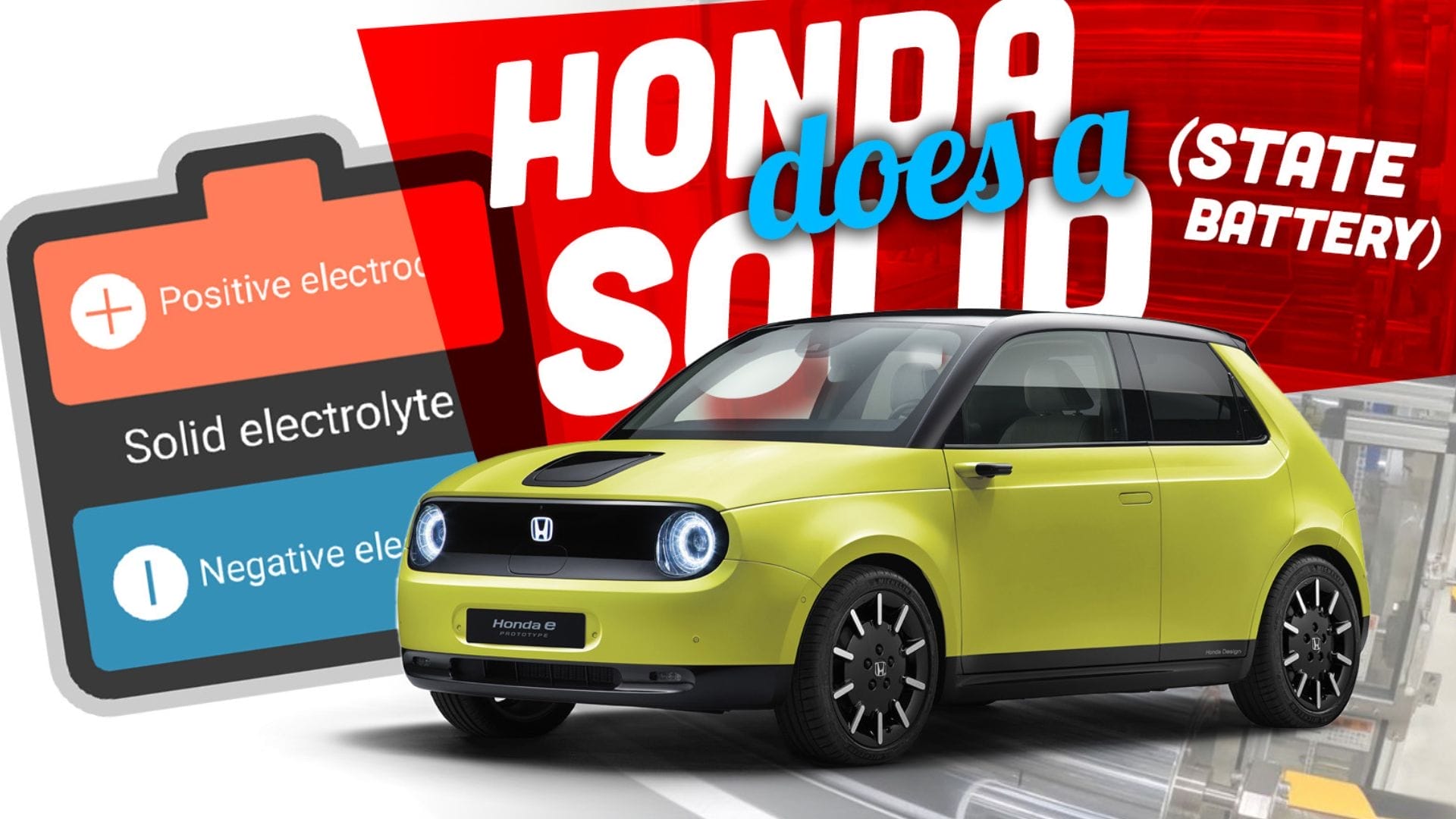
Honda has taken a significant step towards shaping the future of electric vehicles (EVs) with its new solid-state battery initiative. In Sakura City, Japan, Honda has established a 27,000-square-metre demonstration facility dedicated to developing these innovative batteries. The goal? To mass-produce solid-state batteries at a lower cost, enabling EVs with longer ranges and extended lifespans.
What are solid-state batteries?
Unlike traditional lithium-ion batteries that use liquid electrolytes, solid-state batteries replace them with dry conductive materials. This shift promises greater energy density and improved durability, addressing two critical challenges in the EV market. However, this technology comes with its hurdles, primarily the need for entirely new production processes to scale manufacturing.
Honda joins the race alongside other major players like Volkswagen-backed QuantumScape, Nissan, and Factorial. Factorial is already testing semi-solid-state batteries for vehicles like the Dodge Charger. Despite stiff competition, Honda is accelerating its research and development, aiming to deliver a competitive edge in this fast-evolving field.
Honda’s advanced facility in Japan
The new facility in Sakura City is equipped with cutting-edge technology to streamline production. Split across three buildings, each area is designed for a specific stage of the battery-making process:
- Cathode formation and cell assembly
- Anode formation
- Electrolyte activation and module assembly
One of the standout innovations at the facility is a continuous inline mixer, which Honda claims is three times faster than traditional cell batch processing methods. This advanced equipment allows Honda to shorten the time needed to produce each battery unit, a crucial step towards scaling up production efficiently. Honda is on track to begin making batteries on this line in January.
A vision for mass production
Honda plans to make its solid-state technology commercially viable in the second half of the 2020s. CEO Toshihiro Mibe has hinted that these batteries could be a game-changer, making EVs more efficient and affordable.
In the meantime, Honda continues to strengthen its position in the EV market. The Prologue SUV, developed in partnership with GM, performs well in the US. A larger SUV is also set to launch in 2025. Additionally, Honda is preparing to unveil a production vehicle at CES, built on the new Honda Zero platform and powered by LG batteries. This follows the construction of a joint Honda-LG battery plant in Ohio, highlighting Honda’s multifaceted approach to advancing EV technology.
By prioritising solid-state batteries, Honda is setting the stage for a new era in electric mobility. With faster production methods and a clear roadmap to mass production, the company is positioning itself to lead the charge in EV innovation.