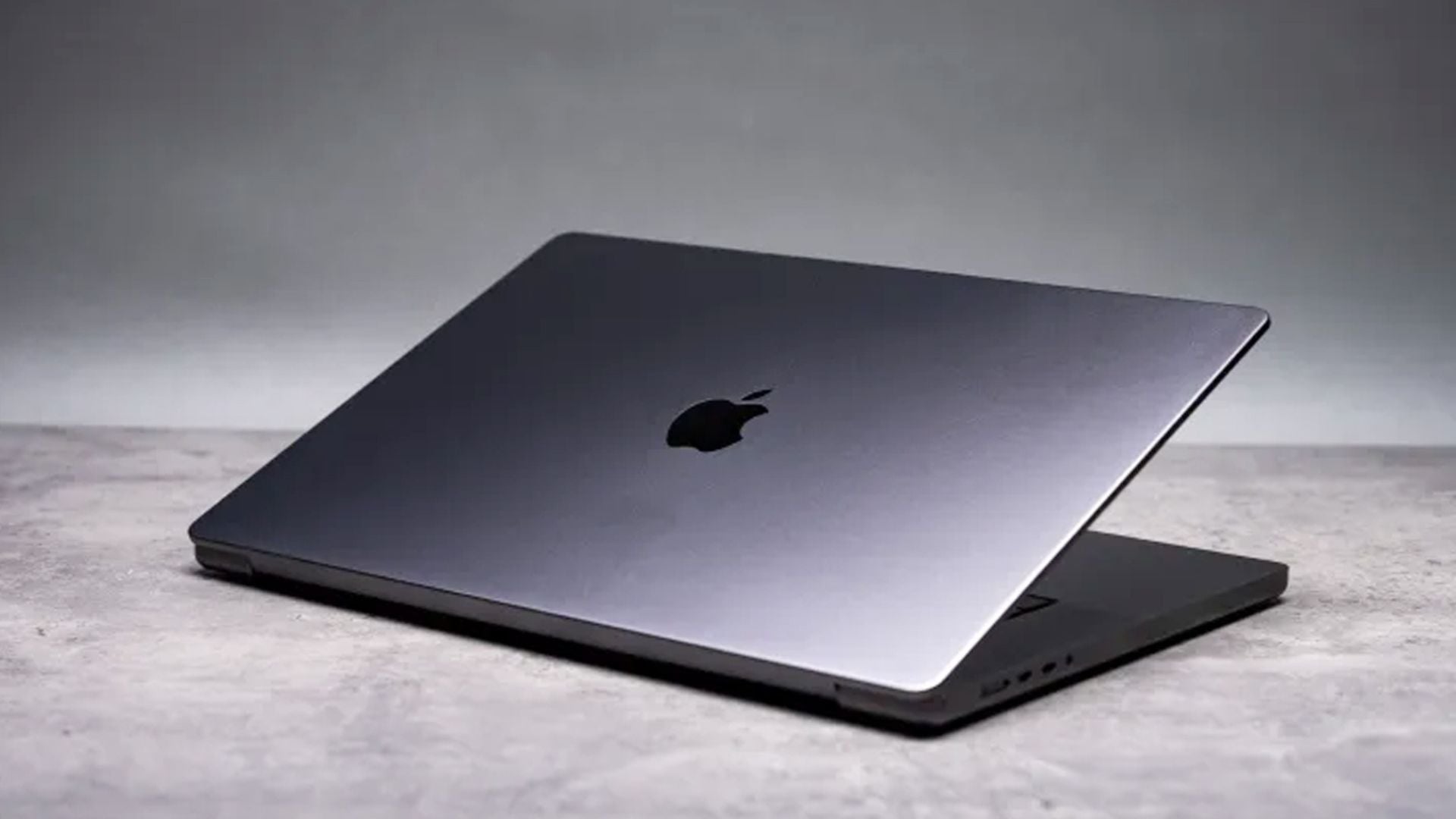


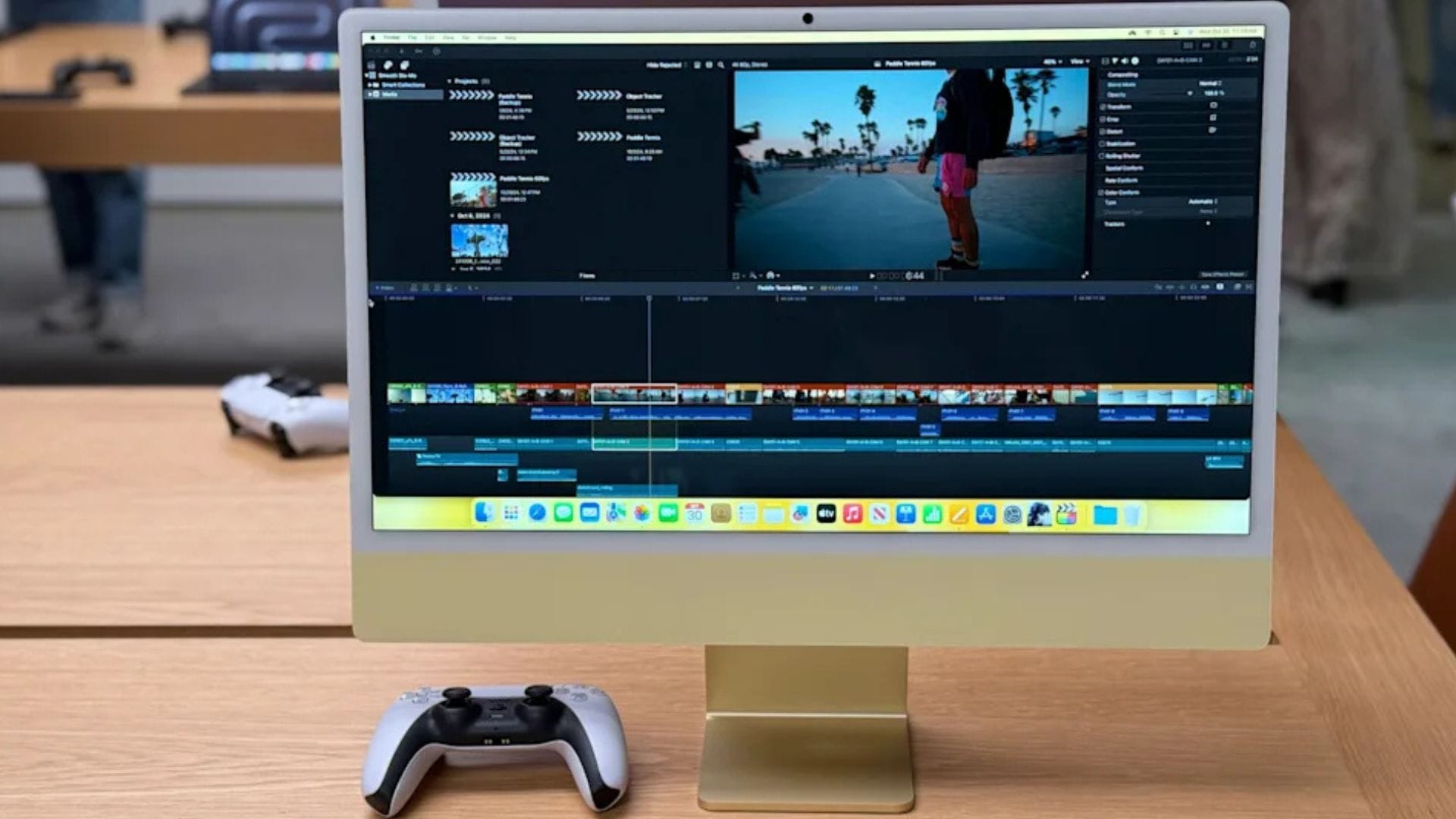
Apple appears to be moving closer to bringing OLED display technology to more of its product range, with the iMac now expected to be included in the company’s long-term plans.
The company introduced OLED displays to the iPhone in 2017 before expanding the technology to the iPad Pro in 2024. Industry reports also suggest that the MacBook Pro will adopt OLED panels in a future refresh. A new market report now indicates that the iMac could eventually receive the same upgrade, although no launch date has been confirmed.
Apple continues its shift towards OLED displays
A recent AMOLED market report from TrendForce suggests that Apple intends to introduce OLED panels across future MacBook Pro, iPad Pro and iMac models. According to the report, these displays are expected to support up to 95 per cent of the BT.2020 colour gamut, marking a significant improvement over the DCI-P3 colour space currently used in Apple’s products.
BT.2020 is a much wider colour standard that allows displays to reproduce a broader range of colours with greater precision. Achieving this level of performance requires improved colour purity, more accurate spectral control and greater energy efficiency. These factors help minimise colour inaccuracies while producing more lifelike images across different types of content.
The move would represent another step in Apple’s gradual transition away from existing display technologies. OLED panels are already valued for their ability to deliver deeper blacks, stronger contrast and improved brightness compared with conventional display panels. Expanding the technology across more devices would bring a more consistent visual experience throughout Apple’s product portfolio.
Wider colour support could benefit professionals and consumers
The adoption of BT.2020-capable OLED displays could be particularly valuable for creative professionals who rely on accurate colour reproduction. Video editors, photographers and colourists often work with high-dynamic-range content that benefits from displays capable of reproducing a wider range of colours with greater precision.
Consumers could also notice improvements during everyday use. Streaming services and platforms such as YouTube continue to expand their HDR content libraries, making higher-quality displays increasingly relevant for watching films, television programmes and online videos. Brighter highlights, richer colours and improved contrast could enhance viewing experiences across a range of entertainment content.
However, these benefits come at the cost of increased manufacturing complexity. OLED panels capable of covering such a wide colour gamut require more advanced engineering than standard AMOLED displays. This makes them more difficult to produce and generally more expensive, factors that may influence production schedules and pricing for future devices.
As display technology advances, manufacturers are also developing new panel designs to improve both image quality and power efficiency. These innovations are expected to play an important role as premium devices continue to demand better visual performance without sacrificing battery life or overall efficiency.
OLED iMac remains part of a longer-term roadmap
Although TrendForce includes the iMac in Apple’s future OLED plans, the report does not provide a timetable for when the desktop computer could receive the upgrade. As a result, the expected launch window remains speculative.
Industry expectations suggest OLED technology will first appear on the MacBook Pro, with reports pointing to a 2026 or early 2027 release. If Apple follows its typical product update cycle, the iMac could adopt OLED displays sometime afterwards, potentially arriving in 2027 or 2028.
While Apple has not publicly confirmed its future display roadmap, the gradual rollout of OLED technology across multiple product categories would be consistent with its approach to introducing major hardware improvements over several product generations. The company has historically expanded new technologies across its ecosystem rather than introducing them simultaneously across all devices.
The TrendForce report also notes that OLED technology itself continues to evolve. Panel manufacturers are working on advanced emissive structures, including hyperfluorescence, to improve colour purity further while increasing energy efficiency. These developments could enable future OLED displays to deliver even better image quality while consuming less power, supporting the next generation of premium laptops, tablets and desktop computers.