

A new prebuilt gaming desktop from MetaPCs is bringing SteamOS to a traditional desktop PC, giving gamers another way to use Valve’s Linux-based gaming platform without waiting for the company’s upcoming Steam Machine.
The new system, called the Steamroller, combines standard desktop hardware with SteamOS installed as the default operating system. Unlike Valve’s compact Steam Machine, the Steamroller is designed as a conventional desktop, allowing users to upgrade individual components over time. MetaPCs has opened pre-orders for the system, which starts at US$1,299 and is currently scheduled to ship in early July.
A standard gaming desktop running SteamOS
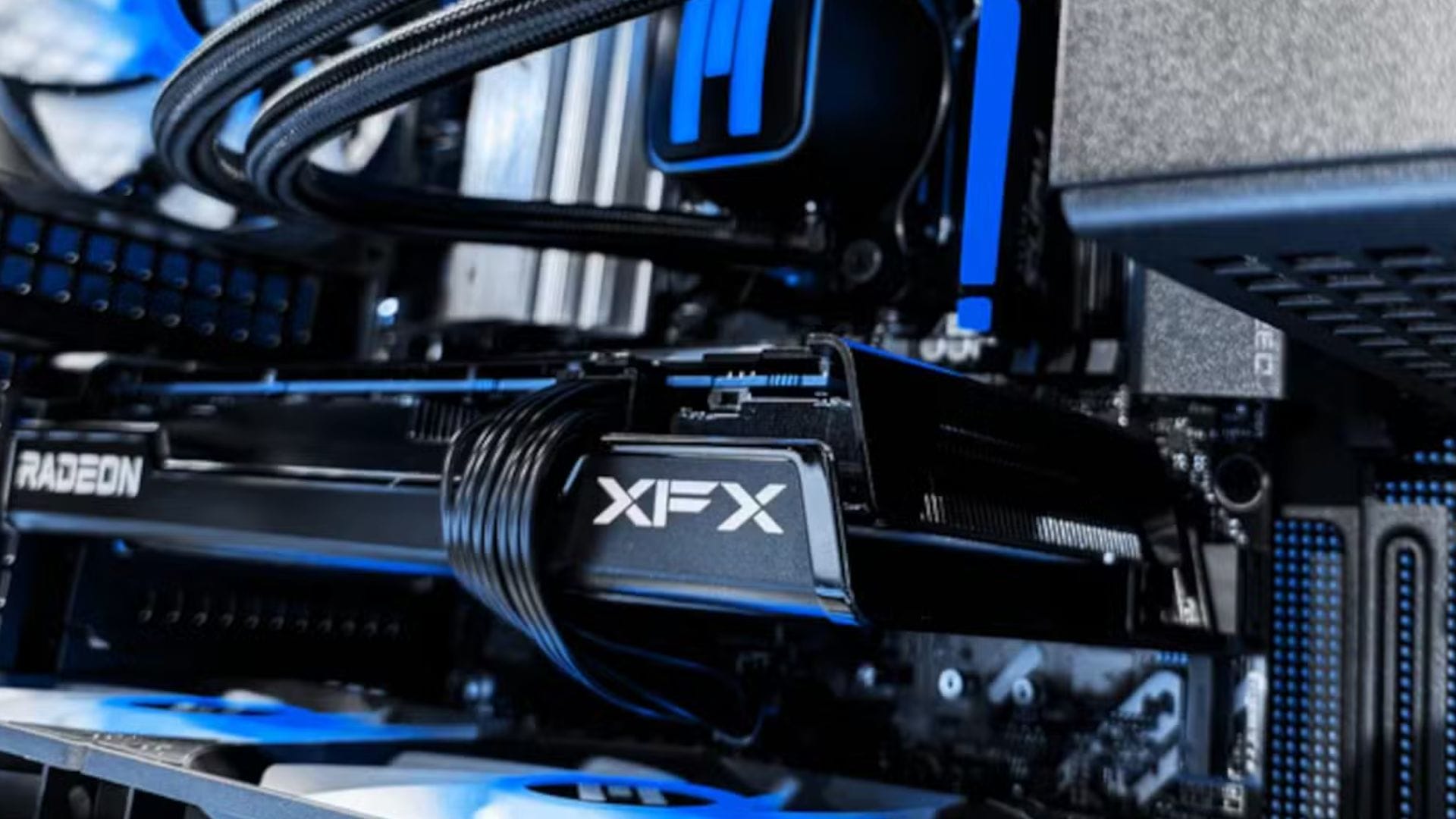
The Steamroller is built around AMD’s Ryzen 5 9600X processor and Radeon RX 7600 graphics card. The base configuration also includes 16GB of DDR5-5600 memory, a 1TB NVMe solid-state drive, a B650M or B850M Wi-Fi motherboard, a 240mm all-in-one liquid cooler and a 650W 80+ Gold power supply. All of the hardware is housed inside a Jonsbo D32 case, making it a typical desktop PC rather than a compact console-style device.
Because the system uses standard PC components, owners can replace or upgrade parts such as the graphics card, memory or storage in the future. This gives the Steamroller a different focus from Valve’s upcoming Steam Machine, which is expected to use custom hardware and a bespoke enclosure to deliver a living room gaming experience.
Although the two systems differ in design, they share the same operating system. SteamOS provides direct access to the Steam gaming platform while offering a console-like interface for launching and managing games. The operating system is based on Linux and uses Valve’s Proton compatibility layer to run many Windows games without requiring native Linux versions.
SteamOS expands beyond Valve hardware
SteamOS is not making its desktop debut with the Steamroller. Valve previously introduced SteamOS-powered PCs through the original Steam Machines in 2015, with hardware produced by manufacturers including Alienware, Zotac and CyberPower. Despite strong interest before launch, those systems struggled to gain widespread adoption and were eventually discontinued.
The landscape has changed considerably since then. The success of the Steam Deck has helped SteamOS mature into a more capable gaming platform. Valve has continued improving Proton, allowing a far larger library of Windows games to run smoothly on Linux. At the same time, more game developers have paid attention to Steam Deck compatibility, increasing the number of titles that work well on SteamOS.
As Valve gradually expands SteamOS beyond its own hardware, third-party manufacturers are beginning to explore the operating system as an alternative to Windows for gaming PCs. The Steamroller is among the first commercial desktop systems to ship with SteamOS preinstalled, eliminating the need for buyers to install the software themselves.
A different approach to PC gaming
Rather than competing directly with Valve’s compact Steam Machine design, the Steamroller targets users who prefer a traditional desktop that can be upgraded over time. While it lacks the small form factor intended for living room use, it offers the flexibility of a standard gaming PC.
The hardware configuration is aimed primarily at 1080p gaming. With its Ryzen 5 9600X processor and Radeon RX 7600 graphics card, the system is expected to deliver solid performance across many modern titles while benefiting from SteamOS’s streamlined gaming interface.
The introduction of the Steamroller also reflects growing confidence in SteamOS as a standalone gaming platform. Earlier attempts to establish Linux-based gaming desktops struggled due to limited game compatibility and limited developer support. Years of improvements to SteamOS and Proton have addressed many of those concerns, making the operating system a more practical option for everyday gaming.
Whether more PC manufacturers follow MetaPCs remains to be seen. However, the launch suggests there is renewed interest in offering gaming systems that move away from Windows while still providing access to the extensive Steam game library. As Valve continues to broaden SteamOS support beyond the Steam Deck and its own hardware, systems such as the Steamroller could offer gamers an alternative path into the Steam ecosystem with the familiarity and upgradeability of a conventional desktop PC.