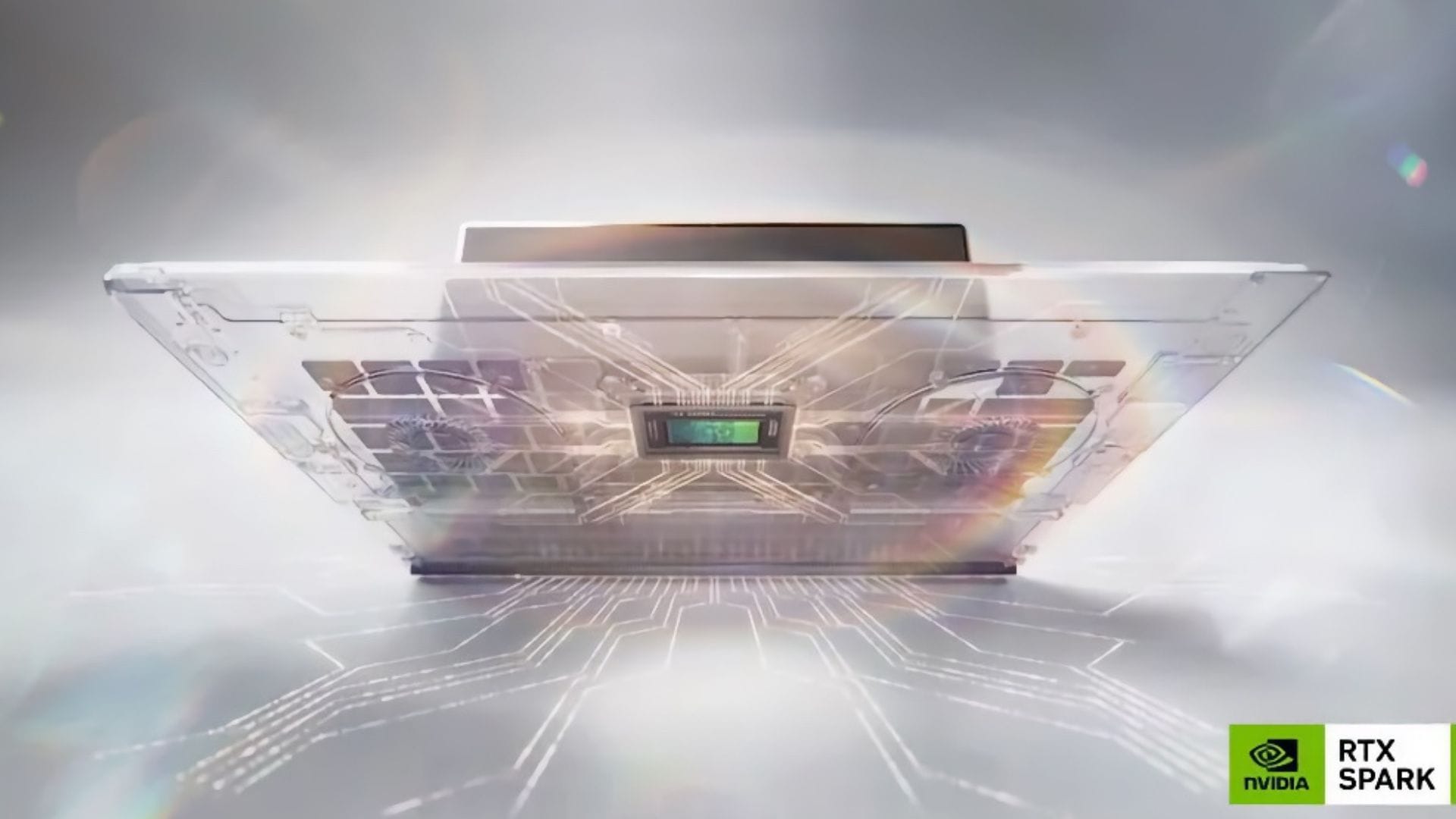
Microsoft’s Windows ecosystem may be on the verge of a major shift as NVIDIA prepares to introduce systems powered by its new RTX Spark chip. While many details about the platform remain unknown, including final specifications and pricing, early indications suggest it could help redefine expectations for high-performance Windows laptops.
The arrival of RTX Spark could address some of the shortcomings seen in the first generation of Copilot+ PCs. Those devices introduced improved efficiency through Arm-based processors but failed to deliver the level of performance many professional users expected. RTX Spark appears to be designed to target the premium end of the market, offering powerful hardware for creators, developers, and artificial intelligence enthusiasts.
Windows has spent years trying to match the balance of performance and efficiency achieved by Apple’s Apple Silicon processors. NVIDIA’s new chip may allow Microsoft to optimise Windows for Arm-based hardware further while expanding the capabilities of laptops that rely on unified memory and advanced graphics processing.
A new direction for high-end Windows PCs
The first RTX Spark-powered devices have already drawn comparisons with premium MacBook Pro models. Systems such as the Surface Pro Ultra and ASUS ProArt machines suggest that manufacturers are aiming to combine workstation-class performance with portable designs.
Traditionally, powerful Windows laptops have often required compromises. High-end hardware typically resulted in larger, heavier systems with shorter battery life. RTX Spark aims to change that by delivering strong computing performance without the size and power demands associated with many workstation laptops.
However, questions remain about the platform’s value. NVIDIA has not yet disclosed full pricing details, but industry observers expect the first systems to be expensive. The company’s DGX Spark AI workstation, which appears to use similar hardware, launched at US$3,999 and now sells for US$4,699. That has led to speculation that RTX Spark laptops could start at around US$4,000.
The chip features a 20-core processor comprising 10 Cortex-X925 cores and 10 Cortex-A725 cores. While capable, these cores are not the latest Arm designs. Newer processor technologies from Arm, Qualcomm and Apple offer stronger CPU performance, raising questions about whether RTX Spark systems will justify their expected premium pricing.
Despite those concerns, NVIDIA’s strategy appears to be less focused on processor speed and more on overall platform capabilities. The company is positioning RTX Spark as a solution for users who need large amounts of memory and powerful graphics performance rather than simply the fastest CPU benchmarks.
Unified memory and graphics take centre stage
The most significant aspect of RTX Spark may be its graphics subsystem and memory architecture. The platform includes 6,144 RTX Blackwell GPU cores, matching the core count of NVIDIA’s desktop RTX 5070 graphics card. It also supports up to 128GB of unified memory.
This approach closely resembles Apple’s M-series processors, which combine CPU cores, graphics hardware and shared memory within a single design. Unified memory allows both the processor and graphics system to access the same memory pool, improving efficiency for demanding workloads.
Apple’s adoption of this model delivered major gains in performance and battery life, helping Macs establish a strong position among creative professionals. Windows PC manufacturers have been seeking ways to replicate those advantages, and RTX Spark may be one of the most ambitious attempts so far.
Competition already exists from AMD’s Ryzen AI Ultra family. These chips combine a central processing unit, graphics processing unit, neural processing units, and integrated memory into a single package. AMD’s latest models support up to 192GB of unified memory, surpassing NVIDIA’s current specifications.
However, AMD’s processors continue to use the traditional x86 architecture. While that provides full compatibility with existing Windows software, it lacks some of the efficiency benefits associated with Arm-based designs. RTX Spark systems, like Snapdragon-powered Copilot+ PCs, will rely on Microsoft’s Prism emulation technology to run older x86 applications.
Microsoft has stated that it has worked closely with NVIDIA to improve Windows 11 support for RTX Spark hardware. The company’s experience with Snapdragon-powered devices suggests that software compatibility may be less of a concern than it was in previous generations of Arm-based Windows PCs.
AI users and creators could drive demand
The success of RTX Spark may depend largely on a growing group of users interested in artificial intelligence. While Microsoft’s Copilot+ initiative struggled to generate enthusiasm among mainstream consumers, demand for AI development tools and local AI models has continued to grow.
NVIDIA appears to be targeting users who need substantial memory for running advanced AI applications. Developers, researchers and enthusiasts increasingly require systems capable of handling large language models and AI agents locally, creating demand for machines with large memory capacities.
Content creators may also find the platform appealing. High-resolution video editing, 3D rendering and other professional workloads can benefit significantly from unified memory and powerful graphics hardware. RTX Spark’s Blackwell architecture also provides access to NVIDIA technologies such as DLSS upscaling and frame generation, potentially making these systems attractive for gaming alongside professional work.
Even so, pricing could remain the biggest obstacle. If RTX Spark systems launch at the expected premium levels, they will likely appeal only to a relatively small group of buyers willing to invest heavily in cutting-edge hardware.
There is reason for optimism regarding future versions of the platform. Reports suggest NVIDIA is developing lower-cost variants that could eventually appear in more affordable laptops and lightweight ultraportable devices. If those products materialise, they could broaden access to the technology and strengthen Windows’ position in the growing Arm-based computing market.