


Thursday, 18 December 2025
26.9 C
Singapore
24.6 C
Thailand
21.9 C
Indonesia
26.6 C
Philippines

Samsung Galaxy Watch approved for sleep apnea detection

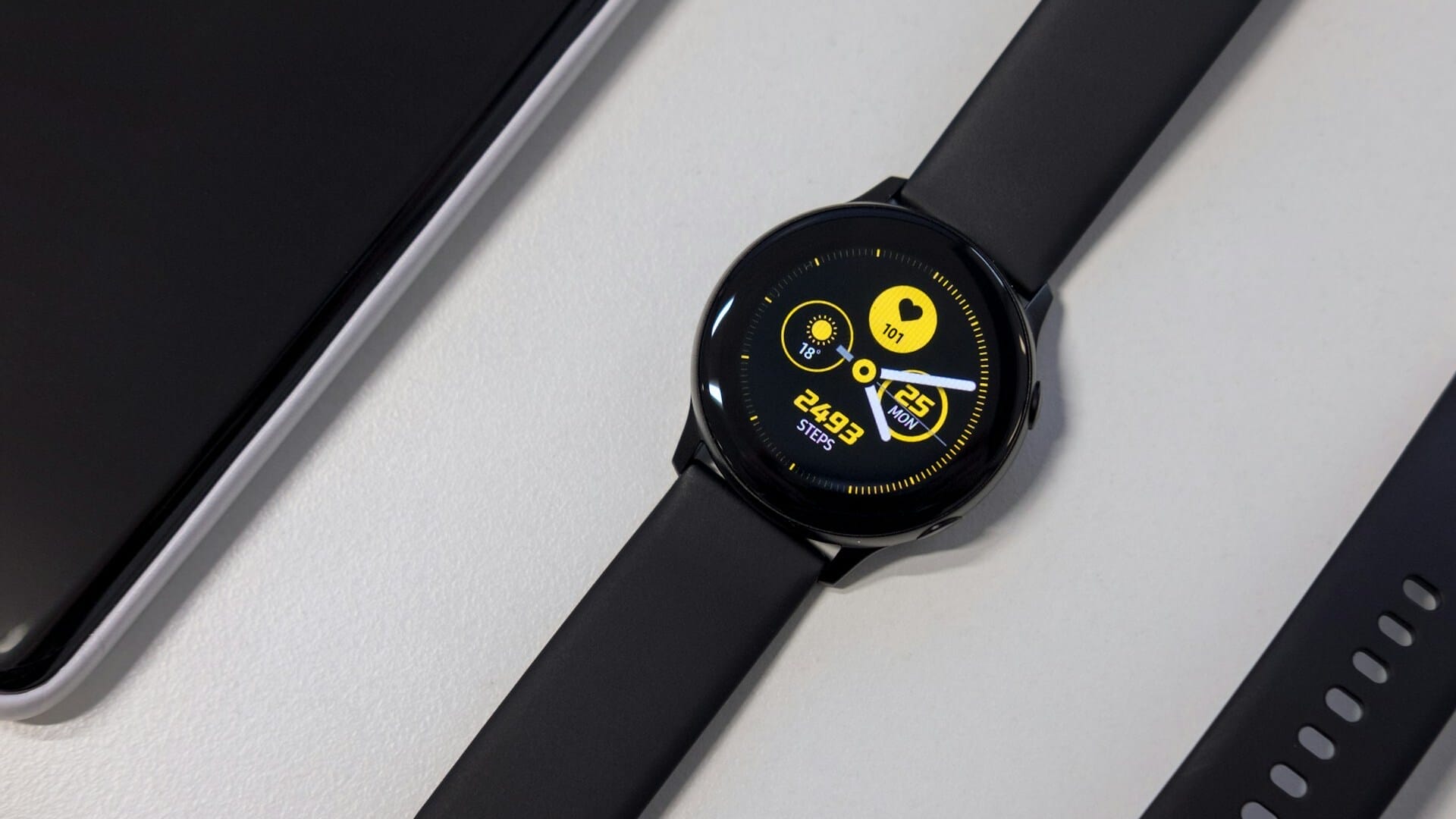
Samsung Galaxy Watch gets FDA approval for sleep apnea detection, promising new health monitoring capabilities for users.

The FDA has authorised a sleep apnea detection feature for the Samsung Galaxy Watch, clearing the way for a software update to the Samsung Health Monitor app in the third quarter of this year that will enable the feature for US users. South Korea’s Ministry of Food and Drug Safety gave its nod of approval last fall for using wearable devices to detect breathing interruptions commonly associated with sleep disorders, and the update will roll out there first.

How it works

Users will have to sleep with their Samsung Galaxy Watch on and monitor their sleep twice (for at least four hours each) within 10 days to use the feature. The Galaxy Watch can monitor the wearer’s blood oxygen levels throughout the night to see if they drop, a common sign of sleep apnea and other sleep disorders. According to the Mayo Clinic, breathing interruptions during sleep are one of the critical symptoms of both central sleep apnea (when your brain doesn’t send signals to your breathing muscles) and obstructive sleep apnea (when your throat muscles block air from reaching your lungs).

Addressing controversies and future developments

Although doctors warn that smartwatches are unreliable tools for detecting sleep apnea and other health disorders, major wearables makers like Apple, Fitbit, Withings, and others have tried to enter the space.

In December, Bloomberg reported that Apple is working on advanced health monitoring (including sleep apnea and hypertension) for the next Apple Watch. The FDA hasn’t approved it yet, and Apple is still dealing with a patent lawsuit over blood oxygen monitoring that required it to remove the feature from the devices it currently sells.

Looking ahead

The approval of the sleep apnea detection feature for the Samsung Galaxy Watch underscores the growing interest and investment in wearable health technology. While challenges remain regarding the reliability and accuracy of such devices, ongoing developments promise to bring new capabilities to users seeking to monitor and manage their health through wearable technology.

Hot this week

Cybersecurity threats and AI disruptions top concerns for IT leaders in 2026, Veeam survey finds

Veeam survey finds cybersecurity and AI risks dominate IT leaders’ concerns for 2026, with data resilience and sovereignty rising in priority.

LG introduces Micro RGB evo TV ahead of CES 2026

LG unveils its first Micro RGB evo TV for CES 2026, promising wider colour gamut, higher brightness, and LCD performance closer to OLED.

China Changan Automobile Group reaches 30 million vehicle milestone

China Changan Automobile Group marks its 30 millionth vehicle milestone, highlighting its EV strategy, safety focus, and global growth plans.

Sony brings affordable full-body motion capture to aspiring VTubers in Singapore

Sony launches its Mocopi motion capture system in Singapore, offering VTubers an affordable, smartphone-based way to capture full-body movement.

PlayStation introduces limited edition Genshin Impact DualSense controller

PlayStation announces a limited edition Genshin Impact DualSense controller for PS5, launching in Singapore on 21 January 2026.

Zoom introduces AI Companion 3.0 with a web-based assistant and expanded task automation

Zoom launches AI Companion 3.0, adding a web-based assistant that automates tasks, drafts emails and reshapes the platform into an AI workspace.

Huawei unveils Mate X7 foldable phone for global markets

Huawei unveils the global Mate X7 foldable phone in Dubai, detailing design updates, camera improvements, software limits and premium pricing.

Dishonored and Deus Ex lead reflects on Arkane Austin’s closure

Harvey Smith reflects on Arkane Austin’s closure, Redfall’s challenges, and the human cost of layoffs in today’s games industry.

LG introduces Micro RGB evo TV ahead of CES 2026

LG unveils its first Micro RGB evo TV for CES 2026, promising wider colour gamut, higher brightness, and LCD performance closer to OLED.

Related Articles

Popular Categories