

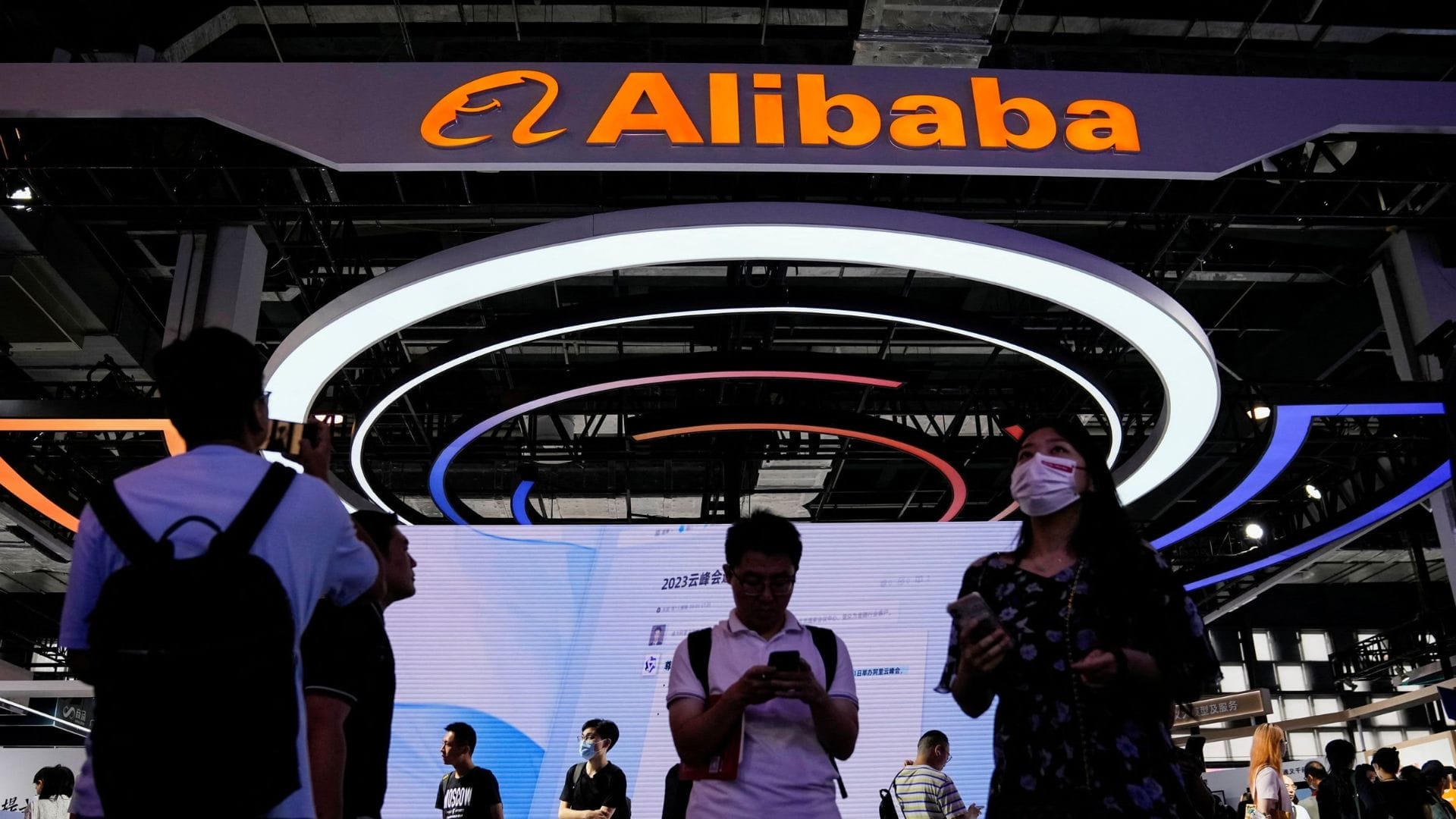
Alibaba has recently introduced its latest innovation—a cutting-edge AI video generator—marking its entry into the increasingly competitive world of AI-powered video creation. As part of Alibaba’s expanding Tongyi Wanxiang portfolio, the announcement was made during the Alibaba Cloud Apsara Conference, where the company revealed an impressive array of over 100 new large language models (LLMs) designed to enhance creativity and content generation.
Alibaba’s Tongyi Wanxiang collection continues to grow
The new AI video generator is part of the Tongyi Wanxiang collection, which initially began with the launch of an AI image creator last year. The video tool aims to generate high-quality video content from text prompts in both Chinese and English. This versatile model also allows users to create videos from still images, making it ideal for various applications.
Alibaba’s executives highlighted the company’s advanced diffusion transformer (DiT) architecture, a powerful technology that allows videos to retain quality regardless of the requested visual style. Whether you want realistic live-action footage or animated content, the tool promises to deliver results that meet your expectations.
Although Alibaba didn’t go into great detail about the intended uses of its new video generator, it’s likely to be of interest to businesses and marketers. The tool could be used to create promotional videos, advertisements, and even content for entertainment platforms. With Alibaba’s focus on building third-party partnerships, this technology could also find its way into gaming, where it may be used to create animated sequences, cut scenes, or visual references.
Competition heats up
Alibaba’s AI video generator’s release comes as the market for such tools is expanding rapidly. A few years ago, AI video creation tools were virtually nonexistent at the consumer level, but now, several tech companies are entering the space. OpenAI, for instance, gained significant attention with its model, Sora. However, due to its decision to limit Sora’s availability to select partners, there has been a demand for more widely accessible alternatives.
This gap in the market has been quickly filled by companies like Runway, Stability AI, Pika, and Hotshot, among others. These companies are driving innovation and pushing the boundaries of what AI can achieve in the video space. With its Dream Machine, Luma Labs is another key player offering highly advanced video creation tools.
Alibaba’s entry into the field is noteworthy, but it isn’t the only Chinese company making waves. Other firms, such as Kling and Bytedance—known for owning TikTok—are developing AI video tools. Bytedance’s Jimeng model, in particular, has garnered attention as a direct competitor to Alibaba’s Tongyi Wanxiang. It’s clear that the race to lead the AI video generation industry is far from over, and it will be interesting to see who emerges as the dominant player in the months and years to come.
For now, Alibaba has taken a significant step forward with its new AI video generator, expanding its influence in the tech world. As the market becomes increasingly saturated with similar tools, the next phase of innovation will determine which company can stand out by offering superior quality and usability.