

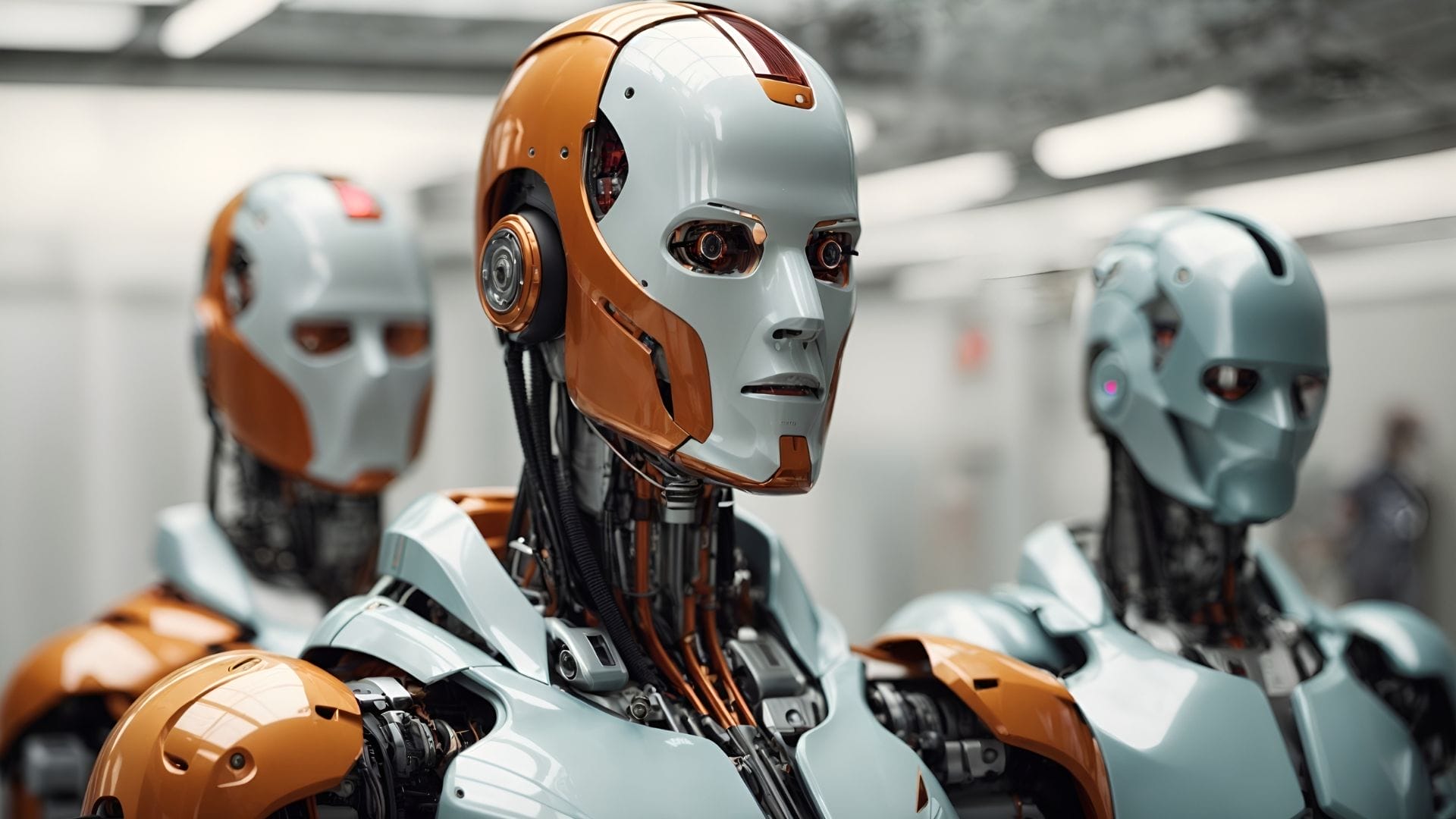
China has raised concerns about a potential bubble forming in the fast-growing humanoid robot industry, prompting questions about what might happen if the sector overheats. The caution comes amid rising global interest in humanoid robots, driven by heavy investment and ambitious expectations that these machines will one day carry out everyday tasks in workplaces and homes.
Rising investment fuels industry momentum
Over the past year, interest in humanoid robots has surged as companies accelerate efforts to develop machines capable of handling real-world activities. Engineers are working to solve complex design challenges, including creating highly dexterous hands and reliable whole-body control systems that can safely perform tasks such as lifting awkward loads in factories or folding laundry in people’s homes.
Despite the excitement, mass production remains out of reach. Many companies continue to spend considerable time and money on research, yet the technology is still maturing. As a result, concerns have emerged that investment may be outpacing realistic progress, echoing earlier fears surrounding a broader “AI bubble.”
China sounds the alarm over market risks
This week, Li Chao, a spokesperson for China’s National Development and Reform Commission, issued a warning about a potential bubble forming within the country’s humanoid robotics sector. Speaking in comments reported by Bloomberg, Li highlighted the long-standing challenge faced by emerging industries.
“Frontier industries have long grappled with the challenge of balancing the speed of growth against the risk of bubbles — an issue now confronting the humanoid robot sector as well,” Li said.
China is home to more than 150 companies currently working on humanoid robot development. Li noted that an influx of “highly similar” models could saturate the market, limiting opportunities for original research and undermining the quality of innovation.
Industry analysts expect next year to be a crucial period for humanoid robotics. Citigroup has forecast “exponential” growth in robot production in China, suggesting the market could expand rapidly — or inflate — depending on how investment trends evolve.
What happens if the bubble bursts?
If the bubble does burst, the effects could be felt well beyond China. The global rollout of affordable humanoid robots could slow significantly, as many Chinese firms are racing to scale production and reduce costs. A sudden downturn could disrupt this momentum.
A correction would likely result in tighter funding conditions, forcing consolidation within the industry. Smaller companies may be absorbed by larger firms or face closure altogether, reshaping the competitive landscape.
Such a scenario could temporarily ease competitive pressure on companies in the United States, which might also benefit from cheaper Chinese components and talent as firms restructure. However, analysts believe this advantage is likely short-lived, as Chinese companies would eventually stabilise and regain their footing.
Another likely outcome would be a more cautious investment climate, with venture capital harder to secure as investors try to avoid risk in a volatile market.
While it remains unclear whether the humanoid robot industry will experience a sharp correction, China’s warning signals that significant shifts could lie ahead. As companies worldwide strive to build the definitive humanoid robot, the sector may need to navigate both rapid growth and the possibility of disruption in the years to come.