


Sunday, 21 December 2025
31.5 C
Singapore
30.5 C
Thailand
25.6 C
Indonesia
27.7 C
Philippines

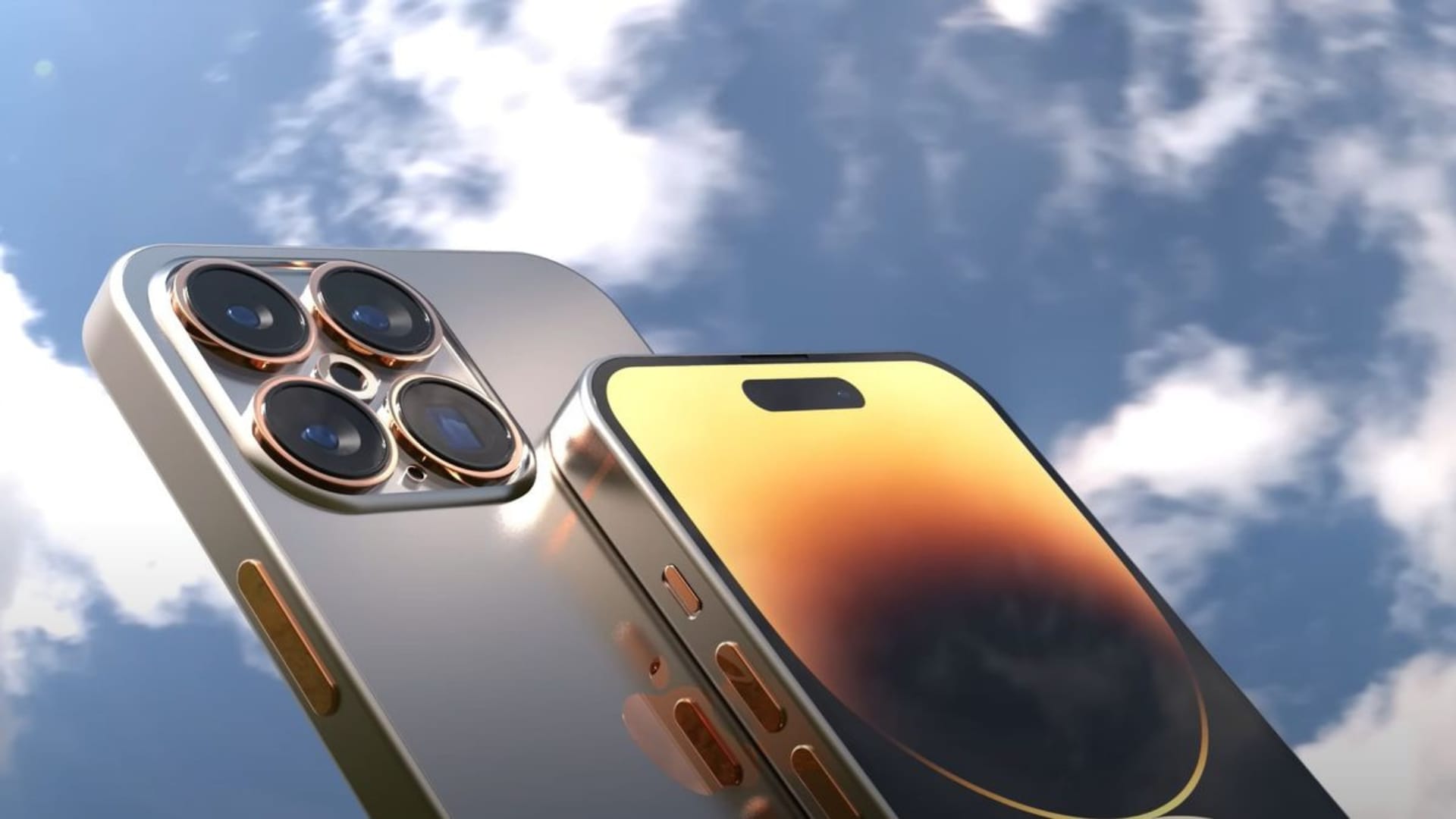
Your next iPhone 16 Pro could fix lens flare and ghosting issues

Discover how Apple's new technology could eliminate lens flare and ghosting issues in future iPhones, starting with the iPhone 16 Pro.

Apple is exploring new technology to minimise lens flare and ghosting issues in future iPhones, potentially starting with the iPhone 16 Pro. This improvement could lead to clearer and more professional-looking photos for you, addressing a long-standing concern among photography enthusiasts.

New technology to improve camera quality

A tipster named yeux1122 shared that Apple is exploring new atomic layer deposition (ALD) equipment for the iPhone camera lens assembly process. ALD is a cutting-edge technology that could revolutionise the way camera lenses are manufactured, potentially leading to significant improvements in image quality and overall performance.

How ALD works

ALD enables manufacturers to deposit materials one atomic layer at a time onto a substrate, offering unparalleled precision in the application of microscopic layers. This precise control allows for the creation of extremely thin and uniform coatings on semiconductor devices, including camera lenses. By applying anti-reflective coatings using ALD, Apple could potentially eliminate lens flare and ghosting issues, resulting in crisper and clearer images for you.

Potential benefits for your iPhone camera

In the case of your iPhone’s camera, it allows Apple’s suppliers to apply anti-reflective coatings that can reduce photographic artefacts like flare and ghosting.

Apple says it uses a new “nanoscale coating” on the iPhone 15 Pro models to reduce lens flare. However, you might have noticed that this was still an issue with the cameras this year, and users’ feedback corroborates these findings.

Recent reports suggest that Apple plans to equip the iPhone 16 Pro with a new 48MP ultra-wide camera and a bigger, more advanced main camera sensor. Perhaps Apple could use the new ALD equipment to apply anti-reflective coatings to these new camera components to address your feedback about lens flare and ghosting.

Hot this week

Sharp launches 4-in-1 Plasmacluster dehumidifier for modern homes

Sharp unveils a 4-in-1 dehumidifier combining humidity control, drying and air purification to improve indoor comfort in modern homes.

University of Nottingham Malaysia deploys Agentforce to streamline the student application journey

University of Nottingham Malaysia adopts Salesforce Agentforce to provide 24/7 AI-powered support for prospective students during admissions.

Google removes AI-generated Disney videos from YouTube after cease-and-desist

Google has removed AI-generated Disney character videos from YouTube after receiving a cease-and-desist letter over copyright claims.

LG introduces Micro RGB evo TV ahead of CES 2026

LG unveils its first Micro RGB evo TV for CES 2026, promising wider colour gamut, higher brightness, and LCD performance closer to OLED.

ChatGPT for Android may soon offer faster access to specific chats

ChatGPT for Android may add home-screen shortcuts that open specific chats directly, making repeat conversations easier to access.

ChatGPT for Android may soon offer faster access to specific chats

ChatGPT for Android may add home-screen shortcuts that open specific chats directly, making repeat conversations easier to access.

Apple explores new strategies to revive interest in the iPhone Air

Apple is reportedly planning camera and pricing changes to boost iPhone Air sales after weak demand for its ultra-slim flagship.

The Oscars to stream exclusively on YouTube in 2029

The Oscars will stream exclusively on YouTube from 2029, signalling a major shift in how the iconic awards reach global audiences.

OPPO announces global winners of the 2025 Photography Awards

OPPO names global winners of its 2025 Photography Awards, recognising mobile photography that captures culture, emotion, and everyday life worldwide.

Related Articles

Popular Categories