


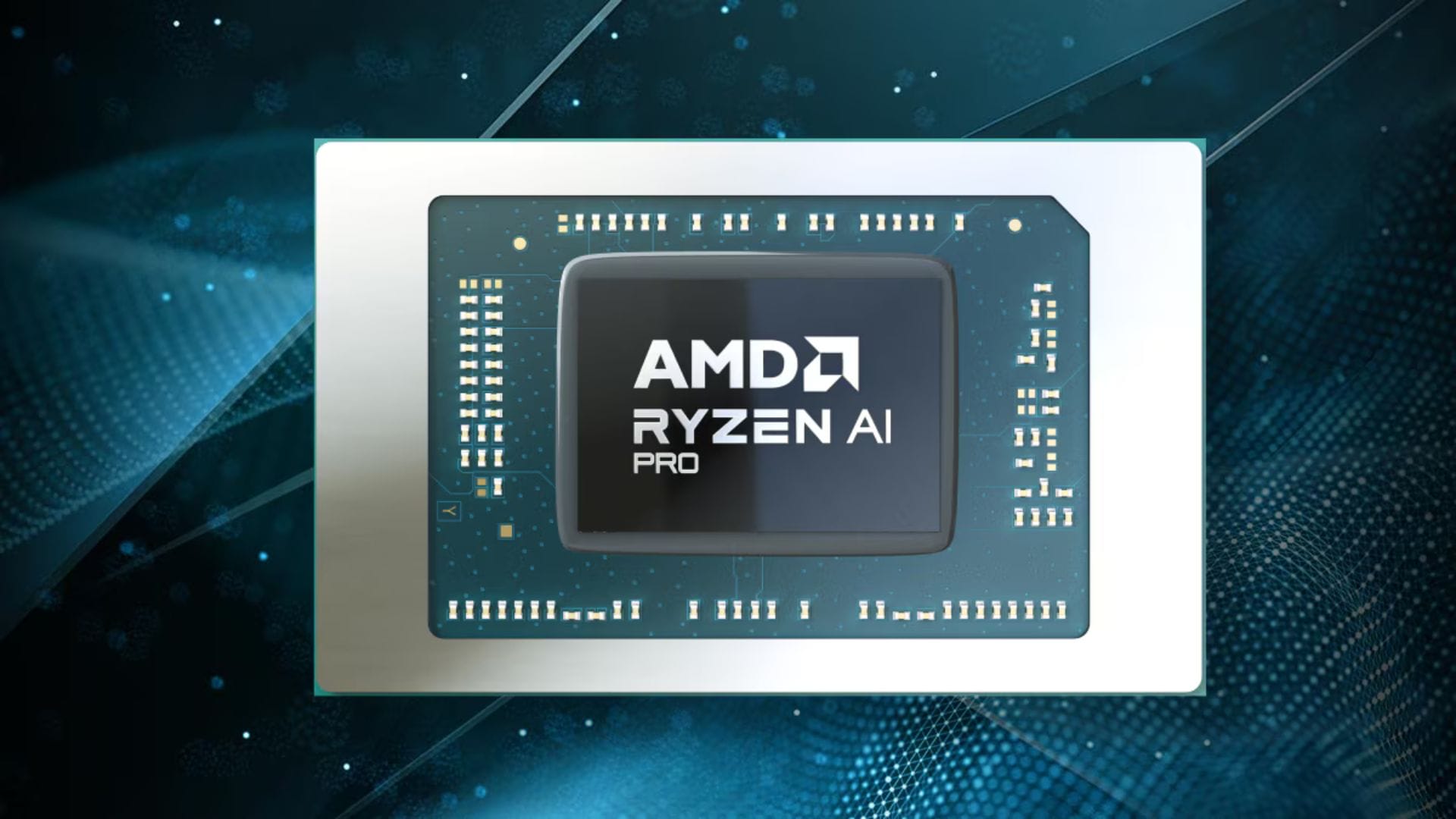
In a significant move to keep pace with its rival NVIDIA, AMD has announced its acquisition of the Finnish AI startup Silo AI. This strategic purchase aims to bolster AMD’s position in the rapidly evolving AI market, which NVIDIA has dominated for some time.
AMD’s strategic acquisition
According to the Financial Times, AMD will acquire Silo AI in an all-cash deal valued at US$665 million (S$896 million). The acquisition is expected to be finalized in the second half of this year. This marks the largest acquisition in Europe in a decade, following Google’s purchase of DeepMind in 2014 for approximately US$625 million.
Silo AI, one of the largest private AI labs in Europe, specializes in developing custom AI models and platforms for enterprise clients. Unlike the “closed” model approach adopted by giants like OpenAI and Google, Silo AI champions “open source” AI models. This philosophy aligns well with AMD’s vision and strategy, potentially giving them a competitive edge.
Building the future of AI
Post-acquisition, Silo AI will focus on creating large language models (LLMs) to enhance AMD’s customer engagement and deployment capabilities. This initiative is also expected to accelerate AMD’s AI technology stack, allowing them to offer more advanced solutions to their clients. By integrating Silo AI’s expertise and innovative approach, AMD aims to speed up the development and implementation of AI technologies, providing a significant boost to its market position.
This acquisition is not just about technology; it’s a strategic move to integrate Silo AI’s innovative methodologies and extensive experience into AMD’s framework. With this, AMD is set to enhance its AI capabilities, ensuring it can offer cutting-edge solutions in a market that is becoming increasingly competitive.
A step towards innovation
The deal represents a bold step for AMD as it seeks to close the gap with NVIDIA in the AI sector. The integration of Silo AI’s technology and talent is expected to drive innovation within AMD, enabling the company to deliver more sophisticated and effective AI solutions. This move also highlights the growing importance of AI in various industries and the need for companies to adapt and innovate to stay ahead.
AMD’s acquisition of Silo AI underscores the company’s commitment to expanding its capabilities and staying competitive in the AI landscape. As the industry continues to evolve, this acquisition positions AMD to better meet the needs of its clients and push the boundaries of what AI can achieve.
By focusing on the development of large language models and leveraging Silo AI’s open-source approach, AMD is poised to make significant strides in the AI field. This acquisition enhances AMD’s technological arsenal and signals a broader shift towards more collaborative and open AI development practices.
As the deal progresses, all eyes will be on AMD and Silo AI to see how this partnership will shape the future of AI technology and its applications. The industry will be watching closely to understand the impact of this acquisition on the competitive landscape and the advancements it will bring to the AI sector.
This acquisition indicates AMD’s strategic direction and commitment to maintaining a solid position in the AI market. By integrating Silo AI’s innovative solutions and expertise, AMD is set to enhance its offerings and provide more advanced and effective AI technologies to its customers.
In conclusion, AMD’s acquisition of Silo AI represents a significant milestone in the company’s journey towards AI leadership. With this move, AMD is well-positioned to compete more effectively with NVIDIA and continue driving innovation in the AI industry.