


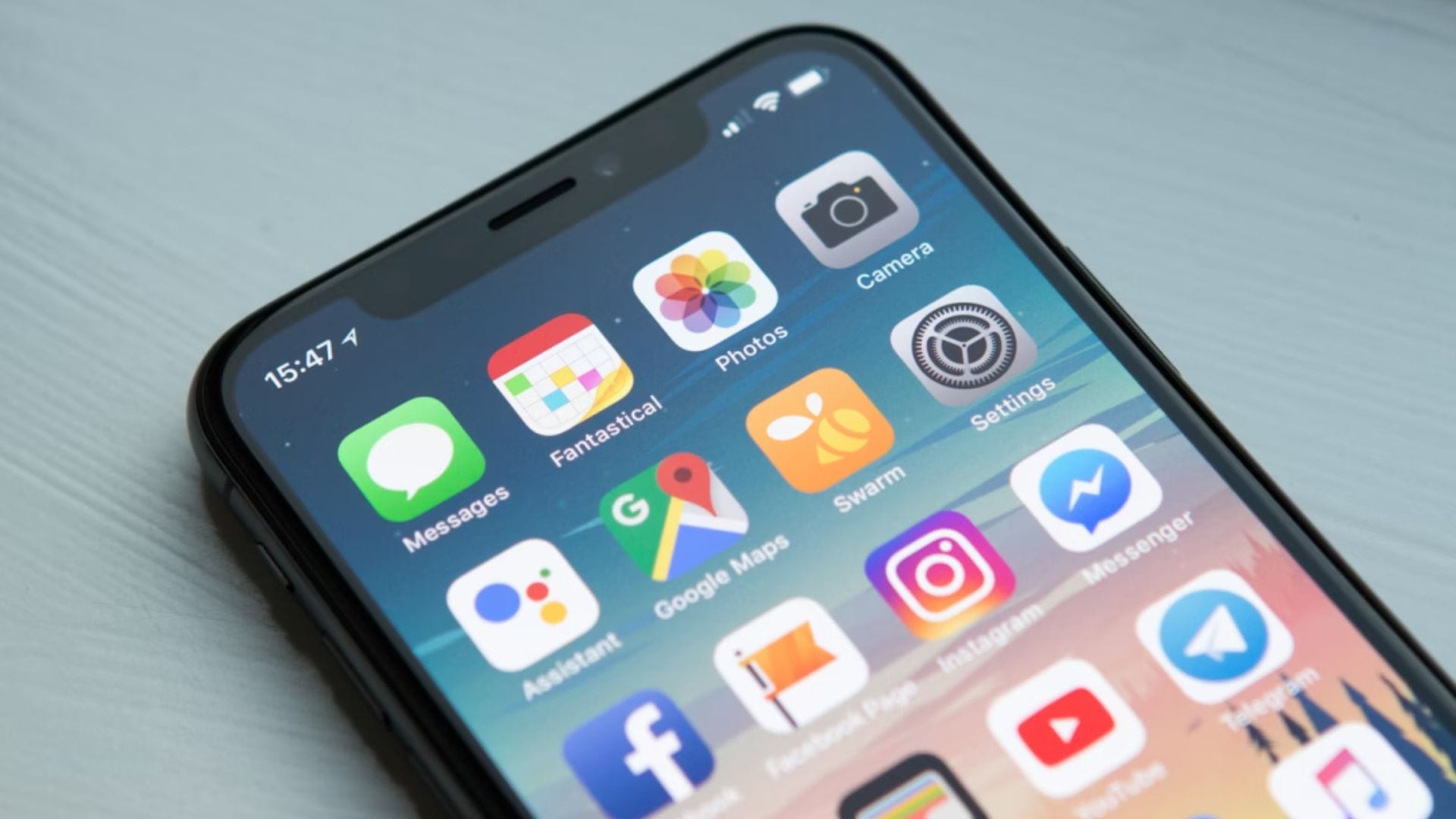
The global app marketplace is showing renewed strength, with new releases rising sharply despite earlier fears that artificial intelligence would make traditional apps obsolete.
Recent data from market intelligence provider Appfigures shows that app launches across major platforms are increasing rapidly, suggesting that AI may be encouraging more people to create software rather than discouraging app use. Industry observers had previously speculated that AI chatbots and intelligent agents could replace many standalone apps, but current figures indicate a different trend is unfolding.
AI tools drive a surge in new app launches
New analysis from Appfigures reveals that worldwide app releases in the first quarter of 2026 increased by 60 per cent compared with the same period in 2025 across Apple’s App Store and Google Play. The growth was even more pronounced on Apple’s platform alone, where iOS app releases rose by 80 per cent year on year.
The momentum has continued into the second quarter. In April 2026 so far, the total number of app releases across both major stores has risen by 104 per cent compared with the same period last year. On iOS specifically, releases are up by 89 per cent, reinforcing the view that developers remain committed to building for mobile platforms.
Speaking in a recent interview, Apple Senior Vice President of Worldwide Marketing Greg “Joz” Joswiak dismissed predictions that AI would diminish the role of apps. He remarked that rumours of the App Store’s death in the AI age “may have been greatly exaggerated.”
Earlier industry speculation suggested that users might shift away from apps in favour of conversational AI systems capable of completing tasks directly. Some technology leaders have explored new computing platforms, including smart glasses, ambient computing devices, and redesigned smartwatches powered by AI. Meanwhile, companies are also developing dedicated AI hardware devices, reflecting ongoing experimentation with alternative ways to interact with technology.
However, another interpretation is gaining traction. Rather than replacing apps, AI tools may be lowering the barrier to entry for software development. New code-generation tools and simplified development platforms are making it easier for individuals without formal programming experience to create functional applications.
Changing trends reshape the types of apps being built
Although mobile games continue to dominate overall release numbers, the data suggests that other categories are rising quickly. Productivity applications have moved into the top five most active categories, signalling growing demand for tools that help users organise work and daily routines.
Utility apps have climbed to the second position among new releases, highlighting increased interest in software designed to perform specific functions or simplify common tasks. Lifestyle applications have also experienced notable growth, moving from fifth place last year to third position this year.
Health and fitness apps have completed the top five list, reflecting sustained interest in personal wellbeing and digital health management. The growth across these categories suggests that developers are responding to everyday needs rather than focusing solely on entertainment.
Industry observers believe AI-powered development platforms could be playing a key role in this expansion. Tools that automatically generate code or assist with software design enable creators to build applications more quickly than before. For many individuals, these tools may represent their first opportunity to transform an idea into a working mobile app.
There is also a growing sense that AI usability has reached a tipping point. Improvements in natural language interfaces and automation have made these tools more accessible to non-specialists. As a result, individuals who previously lacked technical skills can now participate in app creation, potentially fuelling a new wave of independent developers.
Increased volume raises concerns about quality and security
The surge in new apps has added pressure on platform operators responsible for reviewing submissions. A larger number of applications entering the marketplace increases the likelihood that problematic software will slip through review processes.
Recent incidents have highlighted these risks. Apple removed the rewards app Freecash from its App Store after identifying rule violations, despite the app having remained in the platform’s top charts for several months. In another case, a malicious cryptocurrency application impersonating Ledger Live was discovered after reportedly draining US$9.5 million in digital assets from victims.
While such cases can generate negative publicity, Apple continues to emphasise the scale of its enforcement efforts. According to the company’s most recent published figures from 2024, it removed or rejected more than 17,000 apps that used bait-and-switch tactics. In the same year, over 320,000 submissions were rejected for being spam, copying existing apps or misleading users.
Apple also reported taking action against more than 37,000 potentially fraudulent applications before they reached customers. These figures demonstrate the complexity of maintaining trust in an expanding digital marketplace, particularly as development tools become easier to use.
Some industry commentators have argued that existing safeguards may not be sufficient as the number of new applications continues to rise. Technology writer John Gruber has previously suggested the need for a dedicated team to monitor popular or fast-growing apps for signs of fraud.
If AI-assisted development proves to be the main force behind the current surge, experts believe the need for stronger monitoring systems will grow. As more developers enter the ecosystem, ensuring that apps are safe, reliable and legitimate will become increasingly important to maintaining user confidence in the app marketplace.