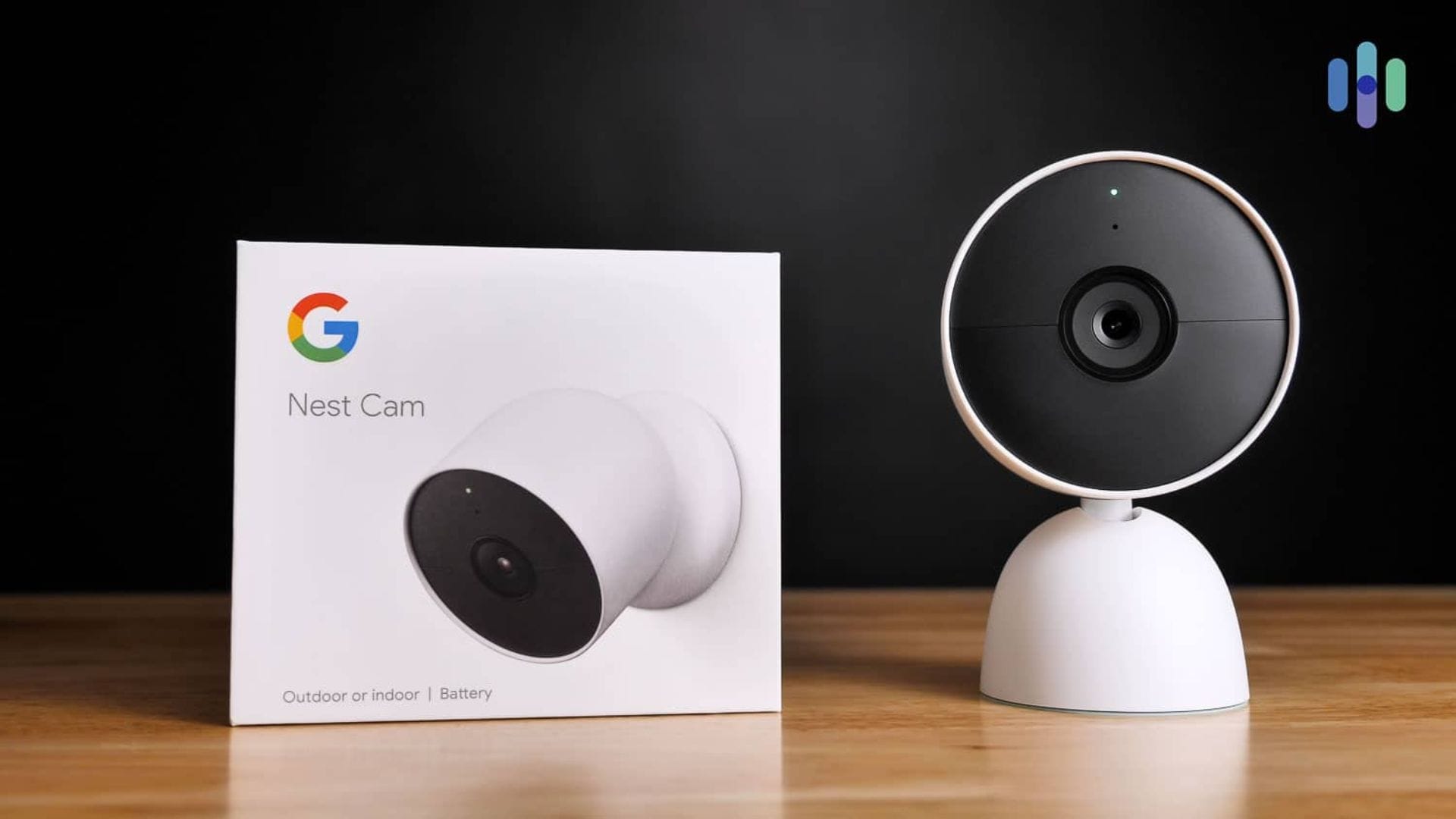
Google has released its latest spring update for Google Home, introducing a range of improvements to refine the smart home experience. The update brings upgraded tools for Nest camera users, alongside expanded automation features, both now available to the wider public after a period in early access.
The update focuses heavily on usability and performance, particularly within the Nest camera interface. Enhancements include smoother navigation, improved video playback controls and new AI-powered features designed to make monitoring and managing home devices more efficient.
Improved Nest camera experience and AI-powered insights
A central part of the update is a redesigned experience for Nest Cam users. The app now lets users continue watching live video while scrolling through recorded footage, eliminating the need to switch between views. This change is intended to streamline navigation and reduce friction when reviewing events.
Performance improvements also address long-standing concerns about lag within the app. Google has refined the timeline interface, introducing smoother scrubbing at higher frame rates and quick seek buttons that let users jump forward or backwards by 10 seconds. These changes aim to make reviewing footage faster and more intuitive.
Artificial intelligence plays a larger role in this update through enhancements powered by Google Gemini. Users can now view zoomed-in animated previews of detected activity, making it easier to identify events at a glance. Filtering tools have also been expanded, enabling users to sort recordings by categories such as person detected, package detected, glass breaking or activity zones. A revised timeline view now includes descriptive labels for events, helping users quickly locate relevant clips.
Facial recognition features have also been refined. The app will automatically filter out poor-quality images to “maintain a clean and effective face library”, according to Google. In addition, feedback buttons have been introduced, allowing users to report inaccuracies and help improve recognition over time.
Importantly, these upgrades are not limited to newer devices. Older Nest camera models released before 2021 will also receive selected features, including AI-generated event descriptions and enhanced preview functionality. However, access to some of the more advanced tools requires a Google Home Premium subscription.
Expanded automation capabilities for smarter homes
Alongside camera improvements, Google has introduced a broader set of automation features designed to give users more control over their connected devices. These updates build on existing automation tools by offering greater customisation across a wider range of use cases.
The company said it has incorporated user feedback to expand automation categories, covering areas such as security, lighting, appliances, device health monitoring and entertainment systems. The goal is to create a more responsive and personalised smart home environment.
One notable addition is enhanced status reporting for security devices. Automations can now provide more detailed updates about doors, indicating whether they are locked, open, jammed or forced. Similar functionality extends to smart blinds, where users can check the exact position as a percentage, offering more precise control.
For households with multiple connected appliances, the update introduces more granular operational controls. Users can create routines to start, stop, pause or resume devices such as coffee machines, washing machines and robot vacuum cleaners. This allows for more tailored scheduling and coordination between devices.
Lighting controls have also been improved. Users can now manage lighting effects more precisely, including toggling features on or off and adjusting colour temperature settings. These refinements are intended to make it easier to create specific lighting conditions for different times of day or activities.
Google has also provided guidance and example prompts to help users set up and optimise these automations. The company said the changes are part of an ongoing effort to simplify smart home management while increasing flexibility for more advanced users.
Overall, the spring update represents a significant step forward for Google Home, combining interface improvements with deeper automation capabilities. By integrating AI-driven insights and expanding device control options, Google aims to deliver a more seamless and responsive smart home experience.