

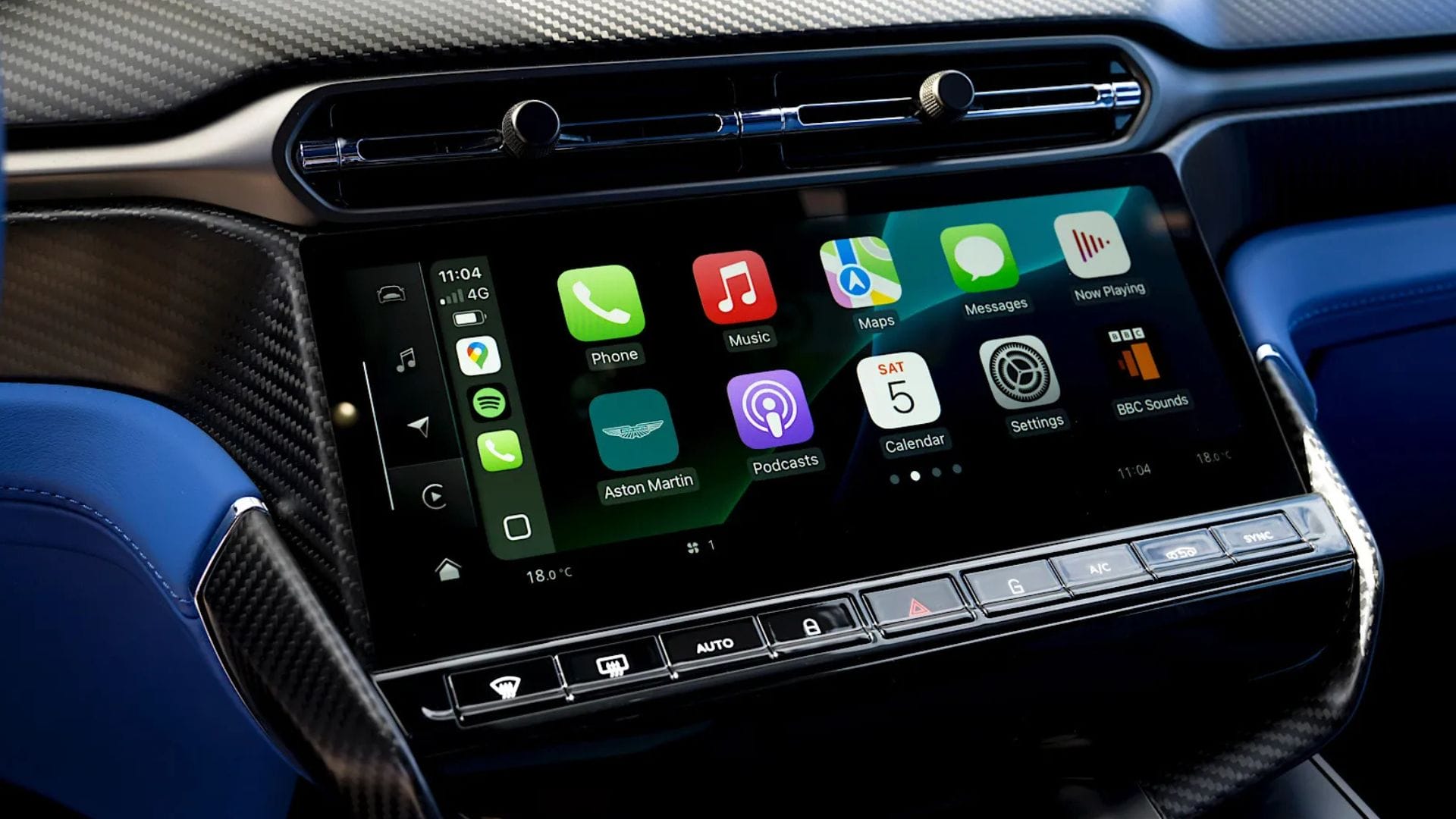
For more than a decade, Android Auto and Apple CarPlay have been standard features in many new vehicles, giving drivers easy access to navigation, music, messaging and calls through their smartphones. The arrangement benefited both motorists and car manufacturers, allowing drivers to use familiar apps while reducing the need for carmakers to develop advanced infotainment software.
However, the relationship between vehicle manufacturers and smartphone integration platforms is beginning to change. Several major automotive companies are moving away from Android Auto and developing their own connected vehicle systems. Industry observers believe the shift is being driven by growing interest in vehicle data, artificial intelligence and potential subscription-based services.
Although most 2026 vehicles still support Android Auto and Apple CarPlay, some manufacturers are signalling a different direction for future models.
Android Auto’s rise in the automotive industry
Android Auto was introduced in 2015 as a simple projection platform that allowed drivers to connect their smartphones to a vehicle’s infotainment display. Through a USB connection, users could access a driving-friendly version of their favourite apps without relying on the vehicle’s built-in software.
Early adoption was not universal. Several manufacturers initially attempted to create their own infotainment ecosystems. Toyota and Ford explored proprietary systems, while BMW drew criticism for charging customers an annual fee of US$80 for Apple CarPlay access and did not introduce Android Auto support until 2020.
Consumer demand eventually pushed manufacturers to adopt more widely. Drivers preferred the convenience of accessing their contacts, music and navigation tools directly from their smartphones without additional charges. As a result, Android Auto became a common feature across many vehicle brands, often operating alongside manufacturer-developed infotainment systems.
Google expanded its automotive ambitions in 2017 with the introduction of Android Automotive OS (AAOS), a full vehicle operating system that runs independently of a connected smartphone. The platform made its production debut in the Polestar 2 in 2020.
The arrival of AAOS coincided with several traditional carmakers struggling to develop sophisticated software platforms. Building vehicle operating systems proved far more complex than many companies anticipated. Manufacturers, including Volvo, General Motors, and several Stellantis brands, adopted Android Automotive to power some of their models, reducing software development costs while maintaining greater control over the in-car experience.
Manufacturers seek greater access to vehicle data
One of the key reasons behind the shift away from Android Auto is the growing value of vehicle-generated data. Connected vehicles produce large amounts of information, including navigation activity, location data, energy consumption and driving behaviour.
When drivers use Android Auto, much of this information is processed through Google’s ecosystem. While Google can use certain data to improve services and support advertising activities, manufacturers have limited access to some of the information generated during those interactions.
Automakers increasingly view vehicle data as a strategic asset that can help improve products, enhance customer experiences and encourage brand loyalty. General Motors has been particularly vocal about the limitations created by smartphone projection systems.
Speaking to GM Authority in 2023, the company’s infotainment manager explained: “With Android Auto or Apple CarPlay environments, the vehicle energy model or road segment data is sending energy usage and everything else associated with it to the phone, and it’s pretty difficult to off-board it from the phone.”
GM argues that direct access to this information is especially important for electric vehicles. The company believes it can improve route planning by integrating battery charge levels, available range, and charging-station availability into a unified navigation system.
As part of this strategy, General Motors has begun removing Android Auto from its electric vehicle lineup. Instead, the company is introducing its own conversational infotainment platform powered by Google’s Gemini artificial intelligence technology and built on Android Automotive OS.
GM maintains that drivers will still be able to access many familiar smartphone functions, including streaming services, contacts and voice assistants. The company also claims that integrated hardware provides a smoother experience than traditional phone projection.
According to comments provided to MotorTrend, GM believes its proprietary system can deliver features “that go beyond what’s possible with just phone projection.” The company highlighted Dolby Atmos support through Amazon Music as one example, describing the experience as “impossible” through conventional smartphone mirroring.
Consumer concerns remain over subscriptions and compatibility
Not all manufacturers have embraced Android Auto. Electric vehicle makers Rivian and Tesla have never offered the platform, preferring to develop their own software ecosystems from the outset.
Rivian has argued that advances in artificial intelligence reduce the need for traditional smartphone mirroring technologies. In comments provided to The Verge, the company stated: “The possibilities now for such deep AI integration in the car make the entire CarPlay debate completely obsolete.”
Despite these ambitions, consumer concerns remain. Many drivers value Android Auto and Apple CarPlay because they allow seamless access to familiar apps without requiring additional subscriptions or learning new interfaces.
General Motors has acknowledged that proprietary infotainment platforms may create new revenue opportunities through subscription services. Such comments have fuelled concerns among consumers who are already frustrated by the growing number of paid vehicle features.
Built-in applications also require vehicles to maintain active internet connections. While some manufacturers provide complimentary connectivity for several years, long-term costs remain uncertain. Rivian currently offers its Connect+ service for US$150 per year, while Tesla charges a similar annual fee for premium connectivity features.
The decision to remove Android Auto has generated criticism from some motorists. Following General Motors’ announcement, many consumers indicated they would be reluctant to purchase vehicles that do not support smartphone integration systems. Resistance to subscription-based services has also become increasingly common across the automotive industry.
For now, Android Auto and Apple CarPlay remain widely available across most vehicle brands. While some manufacturers are pursuing alternative strategies focused on data ownership, artificial intelligence and integrated software platforms, many others continue to support smartphone connectivity. As competition intensifies, the future of in-car technology is likely to be shaped by how effectively automakers balance innovation with consumer expectations.