

China’s artificial intelligence (AI) sector is thriving, yet it struggles with a significant talent gap, a report from Maimai, a Chinese professional network similar to LinkedIn, reveals. This shortage is especially evident in “new economy” job categories, which include high-growth industries like information technology, healthcare, and renewable energy.
According to the report released this week, 25% of job openings among the top 20 new economy roles listed on Maimai between January and October 2024 were AI-related. Positions such as algorithm engineer, recommendation algorithm expert, large language model (LLM) specialist, and natural language processing expert were in high demand.
Supply struggles to meet AI job demand
The shortage is most pronounced in cloud computing, with a supply-demand ratio of just 0.27. This means there are nearly four job openings for every qualified candidate. Similarly, search algorithm roles face a tight market with a ratio of 0.39, equating to more than two openings per candidate.
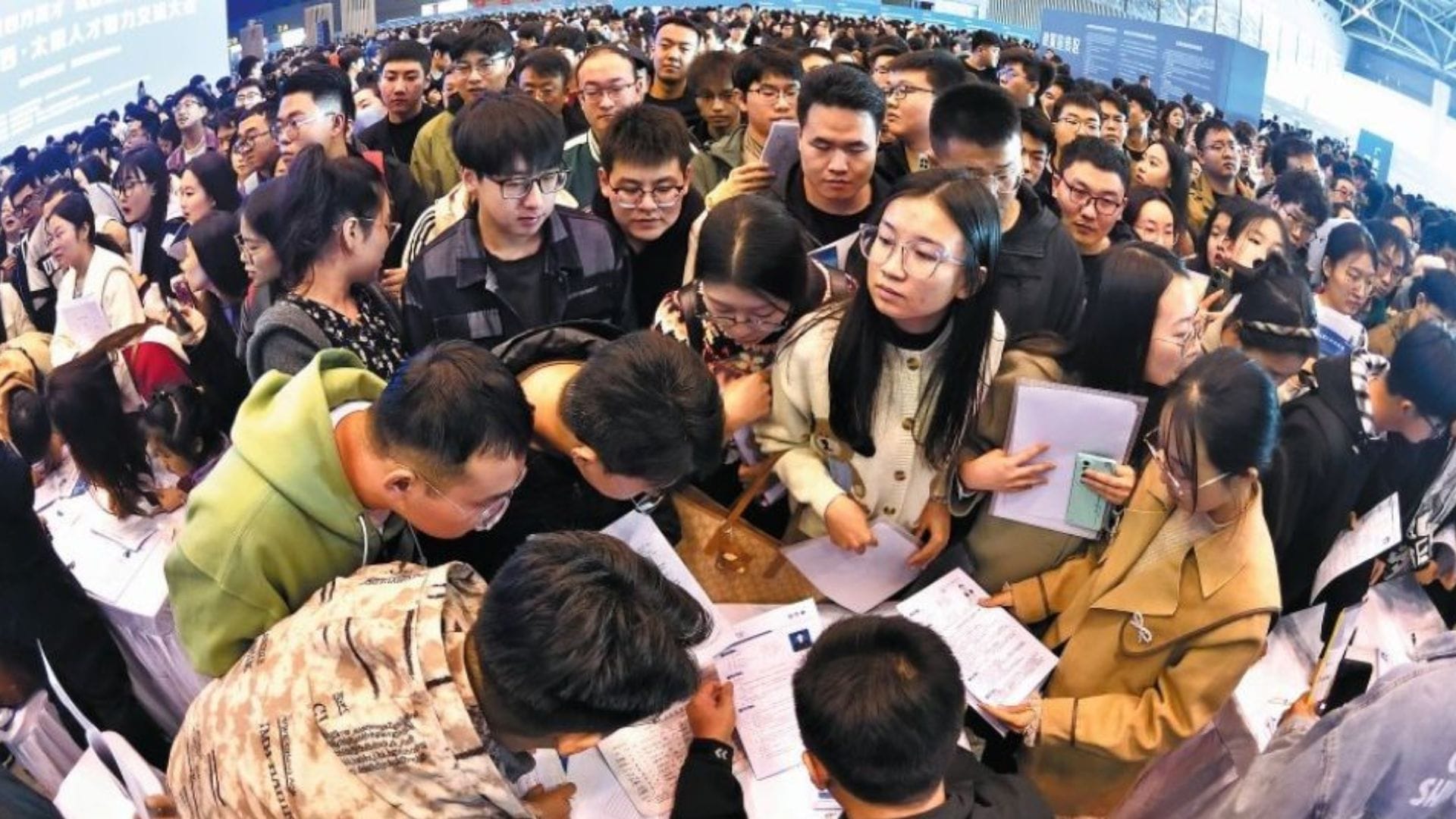
AI’s rapid growth offers a rare bright spot in China’s otherwise competitive job market. While the domestic labour market for top talent remains challenging, with more than two jobseekers per available role, the report highlighted that competition is especially fierce in sectors like the new energy vehicle industry.
China’s escalating focus on generative AI has sparked a talent war among its Big Tech companies. Some firms have resorted to offering lucrative salaries to secure experts in the field. A listing on Liepin, a recruitment platform, offered up to 5 million yuan (US$686,000) annually for a large language model team leader in Beijing.
Tech giants drive job creation
Major Chinese tech companies have been at the forefront of job creation in 2024. ByteDance, the parent company of TikTok, led the hiring spree, followed by food delivery platform Meituan and social media platform Xiaohongshu. Alibaba Group, the South China Morning Post owner, ranked fourth, with its fintech affiliate Ant Group and gaming giant Tencent Holdings close behind.
At Alibaba, six of the top 10 roles with a supply-demand ratio below one were AI-related. Similarly, Xiaohongshu reported nine AI-related positions among its top hiring priorities. These trends underline the increasing reliance of China’s tech sector on advanced AI talent.
The report also noted that average monthly salaries for top-tier professionals rose slightly in 2024, reaching 42,874 yuan. This figure is significantly higher than China’s monthly average disposable income of less than 3,500 yuan.
Expanding talent searches overseas
Chinese tech companies are increasingly looking to tap into overseas talent as they grow in international markets. The top-paying roles abroad include deep learning experts, AI engineers, and AI-generated content algorithm engineers, indicative of the global demand for cutting-edge AI expertise.
As China continues to drive innovation in AI, its talent shortage remains a pressing challenge. The booming industry offers abundant opportunities but highlights the urgent need for skilled professionals to bridge the gap.