

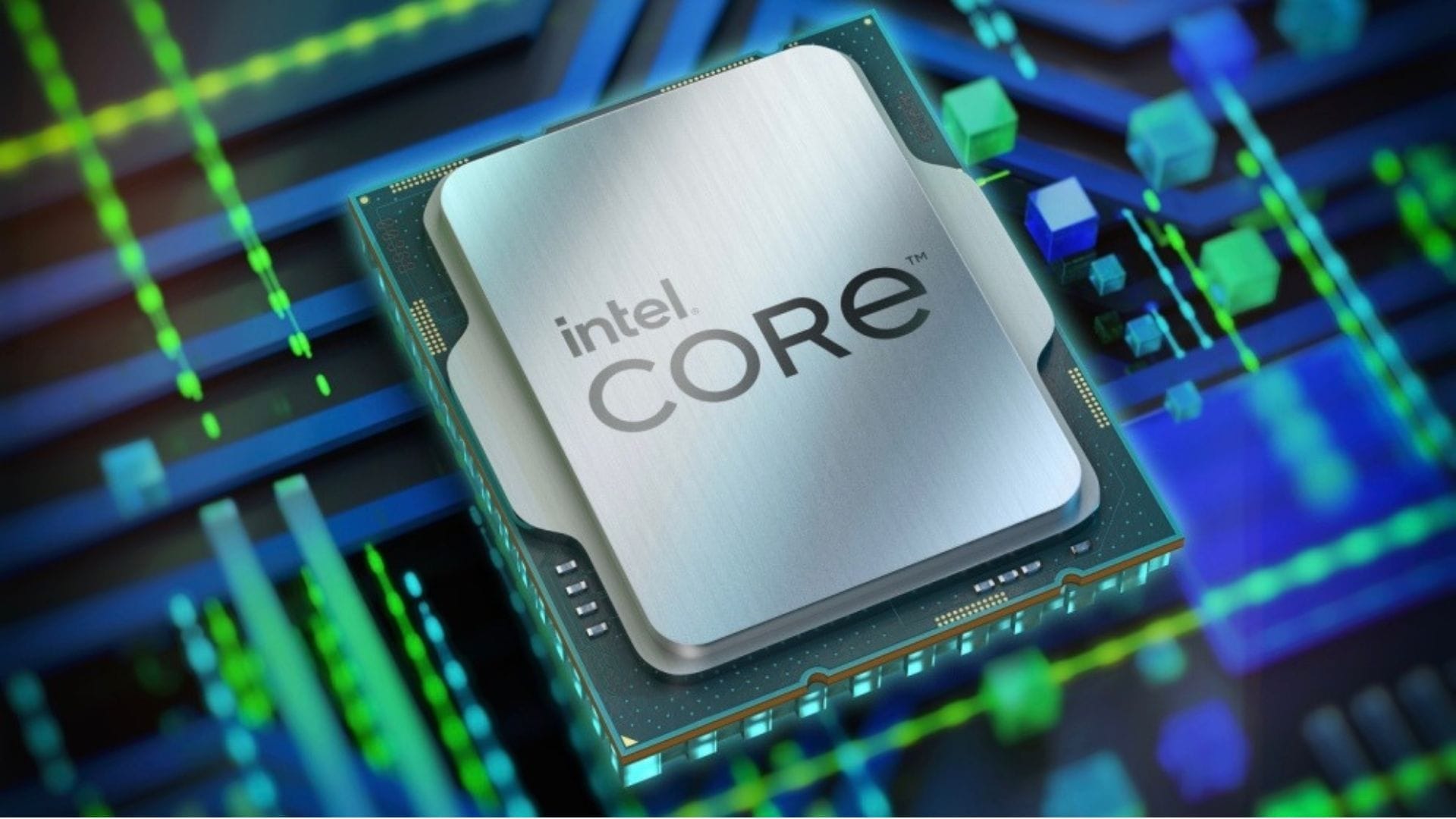
Intel is moving forward. The company recently announced the discontinuation of several processors, including the Core i9-12900KS, released just over two years ago.
Intel posted two Product Change Notifications (PCN), revealing the discontinuation of multiple processors. Among these is the special-edition Core i9-12900KS, a standout model in Intel’s lineup. This news marks a significant shift for Intel, as the company did not release a “Special Edition” model for its 10th-gen or 11th-gen flagship CPUs. The previous “Special Edition” model was the Core i9-9900KS, released in 2019 and discontinued slightly over a year later. The Core i9-12900KS lasted longer and set a new pace for Intel’s product lifecycle. The company has already introduced Special Edition models for the Core i9-13900K and Core i9-14900K, which will likely be discontinued in a similar timeframe.
Changes in Intel’s lineup
In addition to the Core i9-12900KS, Intel announced the discontinuation of the remaining CPUs in its 10th-gen lineup. The central stack of Intel’s 10th-gen lineup, including processors like the Core i9-10900K, has already been phased out. The newest PCN includes less prominent models, such as Intel’s Pentium and Celeron lineups, and the Core i5-10400F, a popular budget option among Intel’s CPUs. These changes signal Intel’s transition from older technologies as it continues innovating and developing new processors.
Impact on the market
The discontinuation of the Core i9-12900KS will be in effect at the beginning of 2025, so you still have time to pick one up. Currently, the 16-core CPU is available for about US$330, a significant discount from its US$800 launch price. If you are considering purchasing one, it would be wise to act soon, as prices will likely rise once the CPU is discontinued. This trend was observed with the Core i9-9900KS, which now costs around US$400 for a preowned model and up to US$550 for a new one.
Despite its discontinuation, the Core i9-12900KS remains a solid choice for those seeking a high-performance CPU. Intel will continue to support customers with the CPU even after it stops accepting orders next year, ensuring that current owners and new buyers will be provided with assistance.
The end of an era
With the discontinuation of its 10th-generation lineup, Intel is saying goodbye to its 14nm era. Intel discontinued its 11th-generation processors last year, and the phase-out of these previous few 10th-generation models officially closes the chapter on 14nm technology. Intel faced significant challenges in moving beyond the 14nm node due to fierce competition from AMD’s Ryzen CPUs. This struggle ultimately led to the development of the Intel 7 process and the introduction of 12th-generation CPUs.
In conclusion, Intel’s decision to discontinue the Core i9-12900KS and other 10th-gen processors reflects the company’s ongoing evolution and commitment to advancing technology. As Intel moves forward, it continues to pave the way for new and improved processors that will shape the future of computing.